
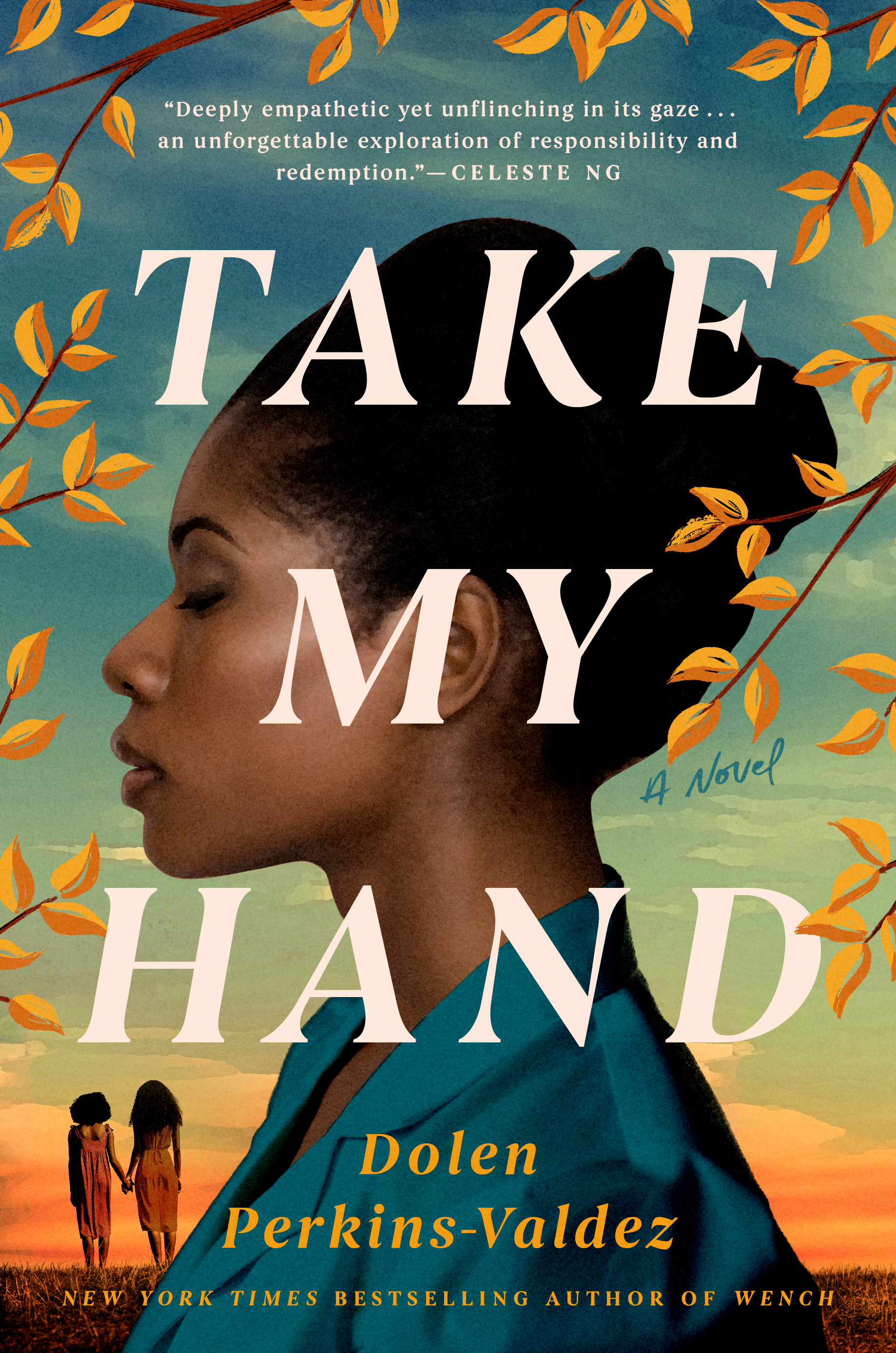
Set in Montgomery in 1973, Take My Hand follows Civil Townsend, a young Black nurse determined to make a difference in her community. Fresh out of nursing school, Civil begins working at a family planning clinic, believing she’ll empower women with choices about their bodies and futures. But her expectations are quickly shattered when she is assigned to two young sisters—just 11 and 13 years old—who are being placed on birth control not because of medical need, but because they are poor, Black, and seen as burdens on the system. As Civil grows deeply attached to India and Erica, she becomes entangled in a devastating situation that will shape the course of her life for decades.
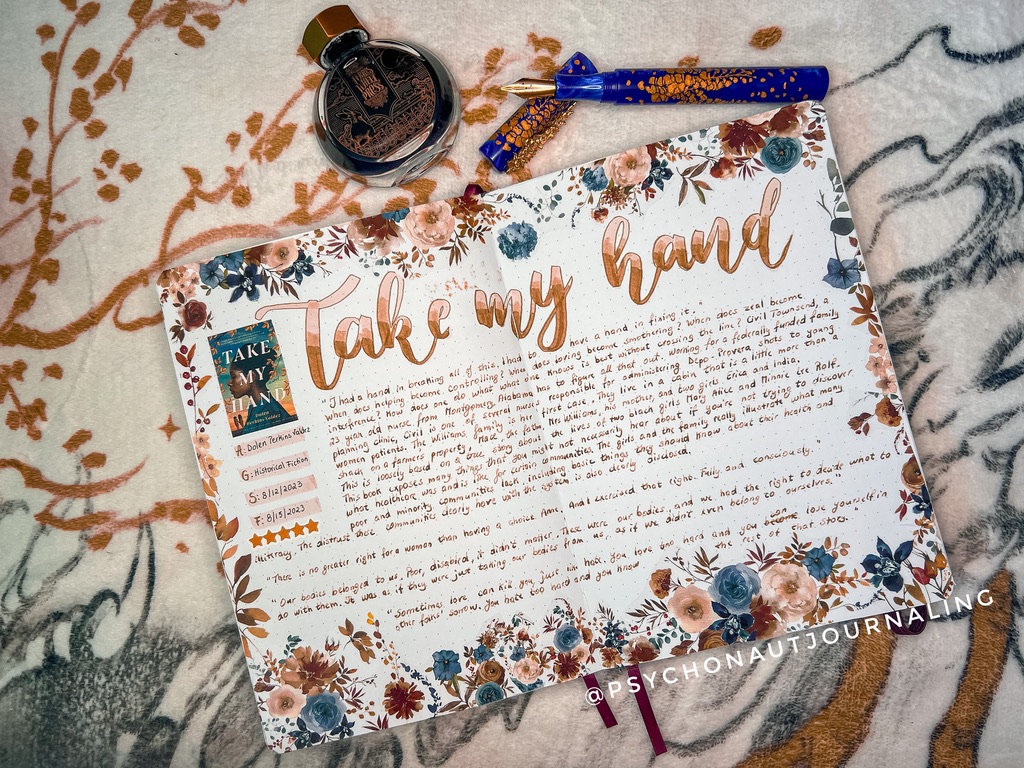
My Review
This is one of those books you know is going to be five stars very early on—and somehow it still exceeds expectations.
Following Civil Townsend’s journey as a nurse in 1970s Alabama, this story is as heartbreaking as it is powerful. Civil comes from a slightly more privileged background than many Black families in her community, but she is fully aware of the disparities in healthcare and and she genuinely wants to help. When she meets India and Erica, two young girls caught in a system that sees them as statistics rather than children, her role quickly becomes much more than just a nurse. She cares for their hygiene, their education, even their living conditions. She loves them.
And then something happens—something devastating—that shifts everything.
What makes this book so impactful is how quietly it breaks you. It had me crying those silent, steady tears. The kind that sit heavy in your chest.
I had come here to help, and I had only made things worse. That was the truth of it, no matter how I looked at it.
That sentence stopped me cold.
The story moves between past and present, showing how that one traumatic chapter shapes Civil’s entire life. Her guilt, her need for redemption, and her determination to make things right all feel incredibly real. I loved that we got to know her just as deeply as the events themselves—her past, her relationships, and the emotional weight she carries.
This book also doesn’t shy away from difficult truths. It exposes the reality of healthcare inequities, illiteracy, and the deep distrust many marginalized communities have toward medical institutions—and for good reason. It made me angry. It made me sad. But by the end, it also gave me a strange sense of peace.
There’s something incredibly powerful about the courage shown in this story. Not everything ends the way you want it to—but the fact that people tried, that they spoke up, that they fought back—that mattered.
This book exposes things you might never encounter if you’re not actively seeking them out. The history of what was done to poor, Black, and illiterate communities under the guise of “family planning” and welfare management is not in most textbooks. Dolen Perkins-Valdez brings it to the surface through characters so human and a story so precise that it’s impossible to look away.
It made me angry. It made me sad. It made me think about the courage it takes to call something wrong — loudly, even when no one listens, even when it doesn’t fully work. And it left me with that rare, quiet, hard-earned feeling of peace.
Nurses truly are such an integral part of medicine. And stories like this one are an integral part of understanding who we are as a country — and what we still owe each other.
🕊️ The Real History Behind the Story
Take My Hand is loosely based on the real-life case of the Relf sisters sterilization case involving two young Black girls, Mary Alice and Minnie Lee Relf.
In 1973, these sisters—aged just 12 and 14—were forcibly sterilized without proper consent. Their case exposed a horrifying pattern of coerced sterilizations in the United States, particularly targeting poor Black women and girls. Many of these procedures were carried out under the guise of public health or welfare policy, often without patients’ understanding due to illiteracy or lack of informed consent.
This case led to a national outcry and eventually changes in federal guidelines around sterilization, including stricter consent requirements. However, the damage done to countless individuals and families cannot be undone.
The novel also resonates strongly in the context of ongoing debates about reproductive rights, including the landmark case of Roe v. Wade and its later reversal. The book raises difficult but necessary questions about bodily autonomy, medical ethics, and who gets to make decisions about people’s lives.