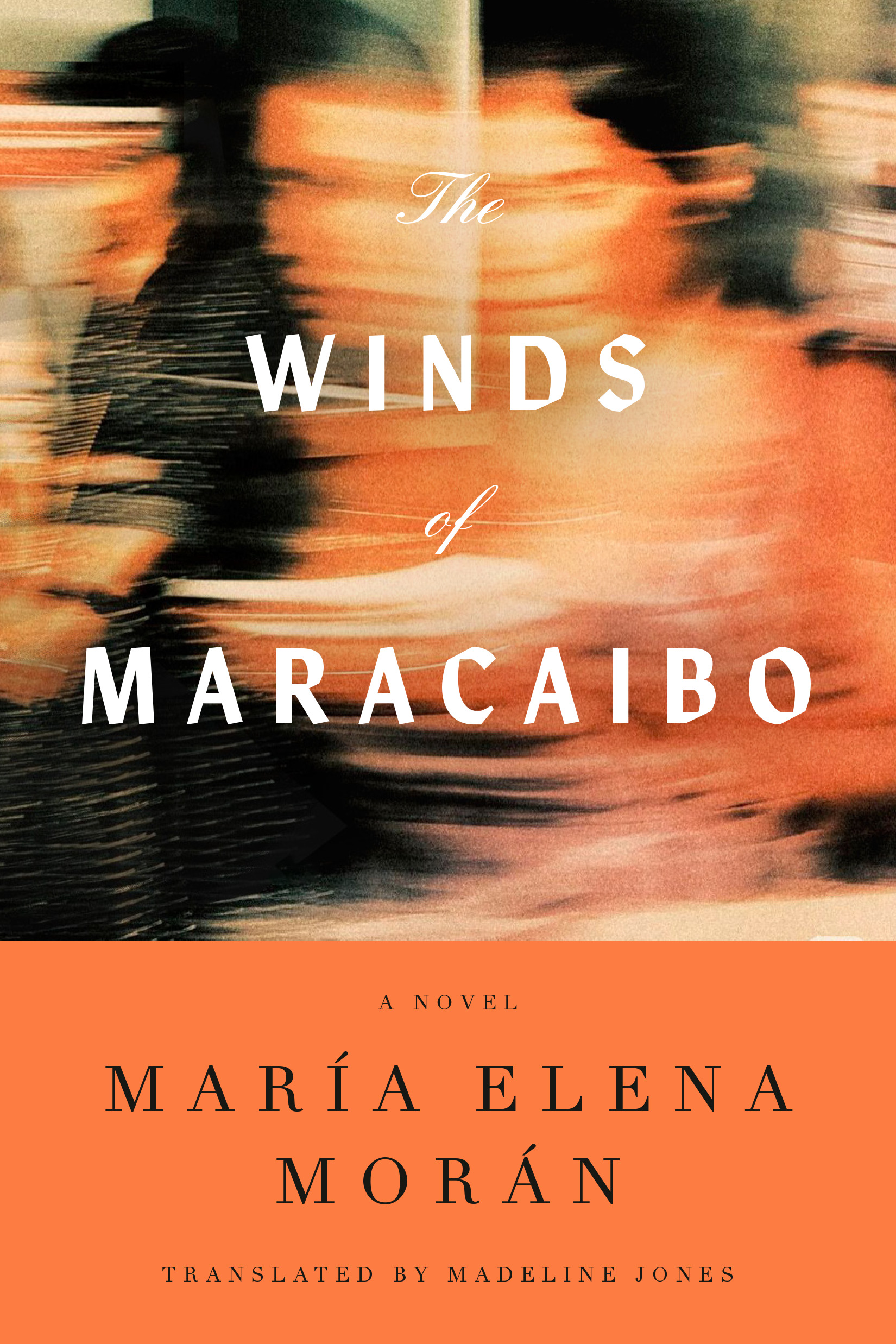
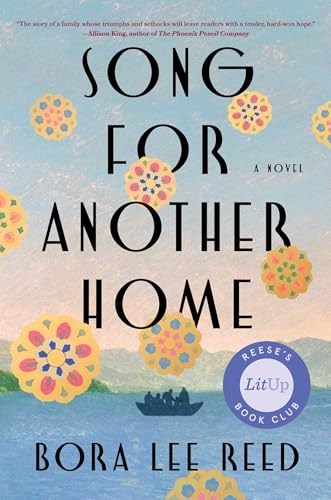
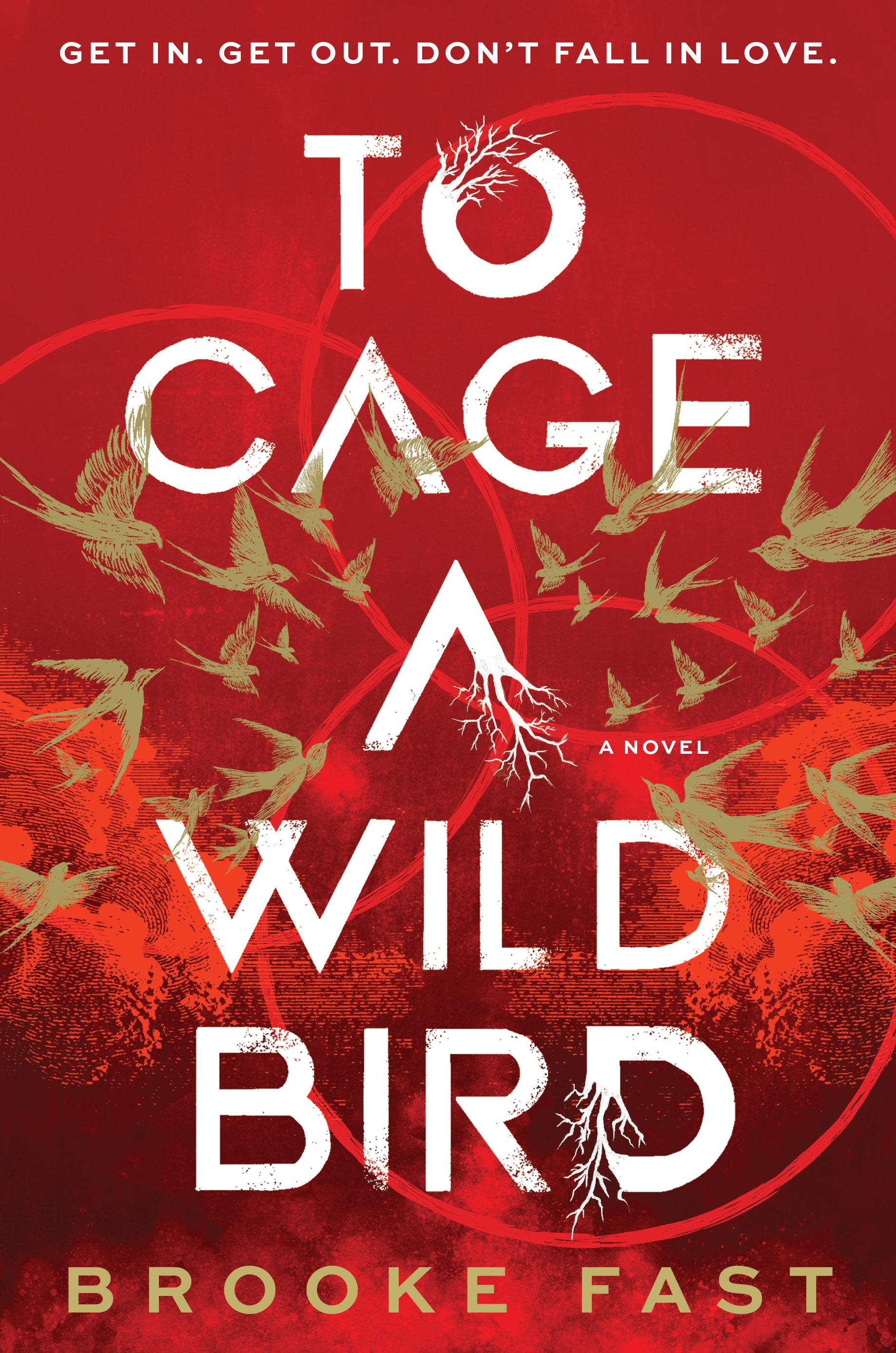
When Nina's ex-husband takes their teenage daughter across the border into the US without her, Nina must fight her way from Brazil to Houston to get her back, all while the wreckage of Venezuela's collapsed revolution follows the family across every border they cross. Told through the fractured, overlapping voices of three generations, it's a story about the impossible math of protecting your child when your country has already failed you.
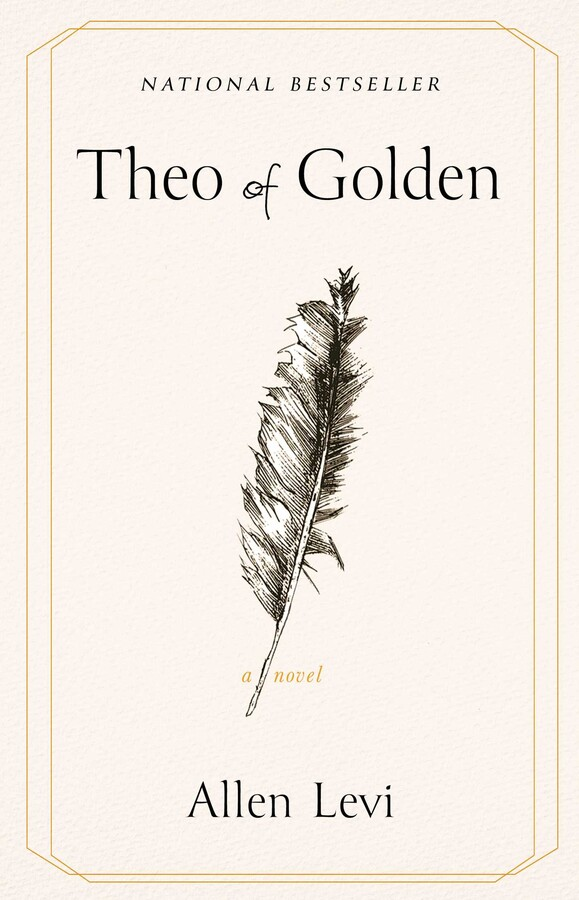
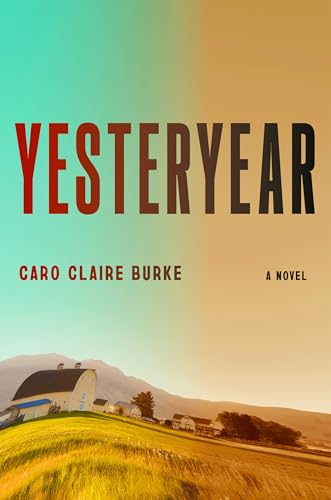
An eighty-six-year-old stranger arrives in a small Georgia town and begins buying back pencil portraits of its residents from a coffeehouse wall, returning each one to its rightful owner. With every exchange, a story unfolds and a life quietly changes. A tender novel about kindness, connection, and the mystery of one man's past.
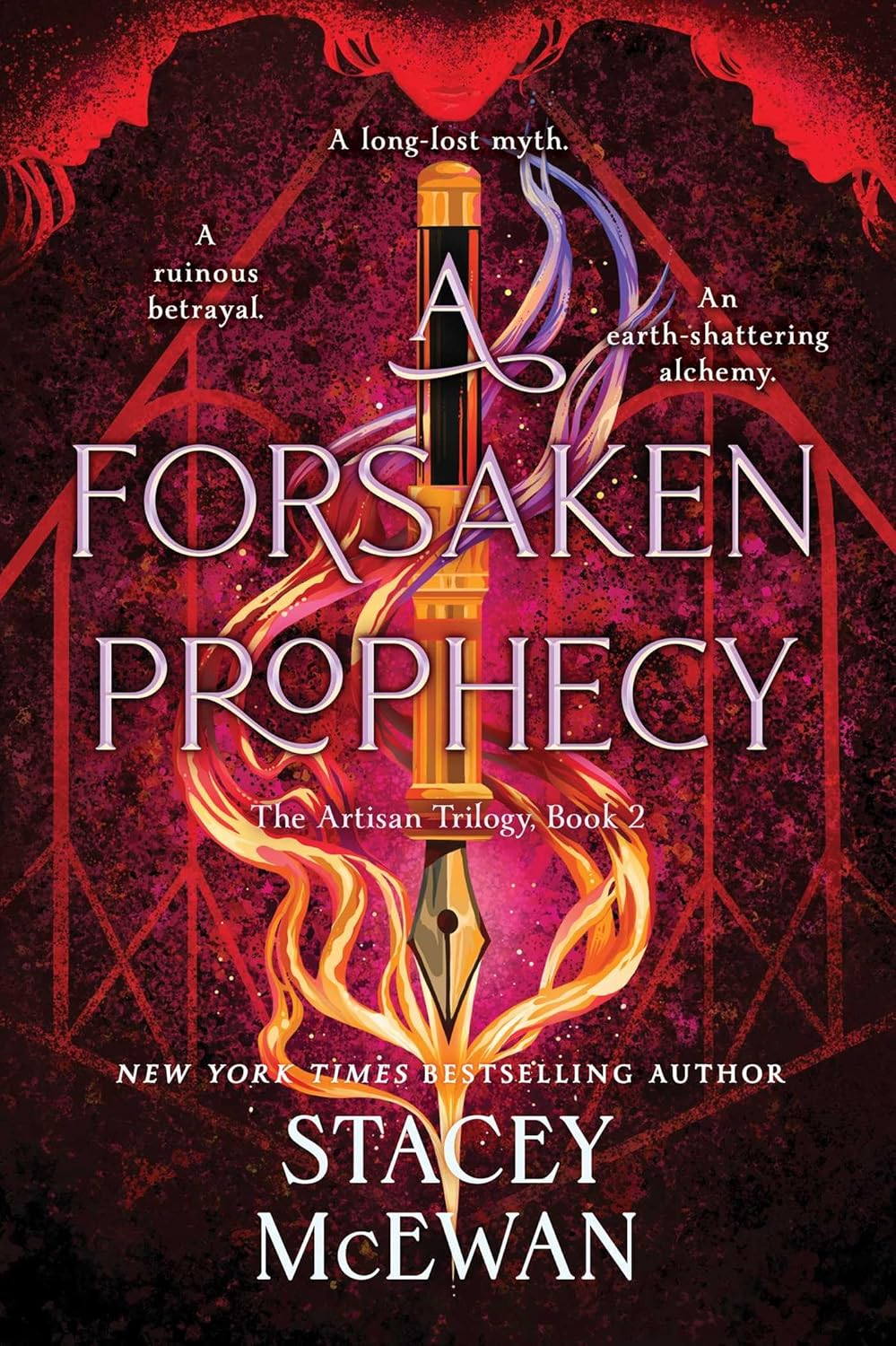
In a world where magic and gangster politics collide, Patrick and Nina are captured by the Artisans as their war with the Craftsmen reaches a breaking point. Reunited with his father and aided by an unlikely ally, Patrick must decide where his loyalties lie while chasing a prophecy that could change everything.
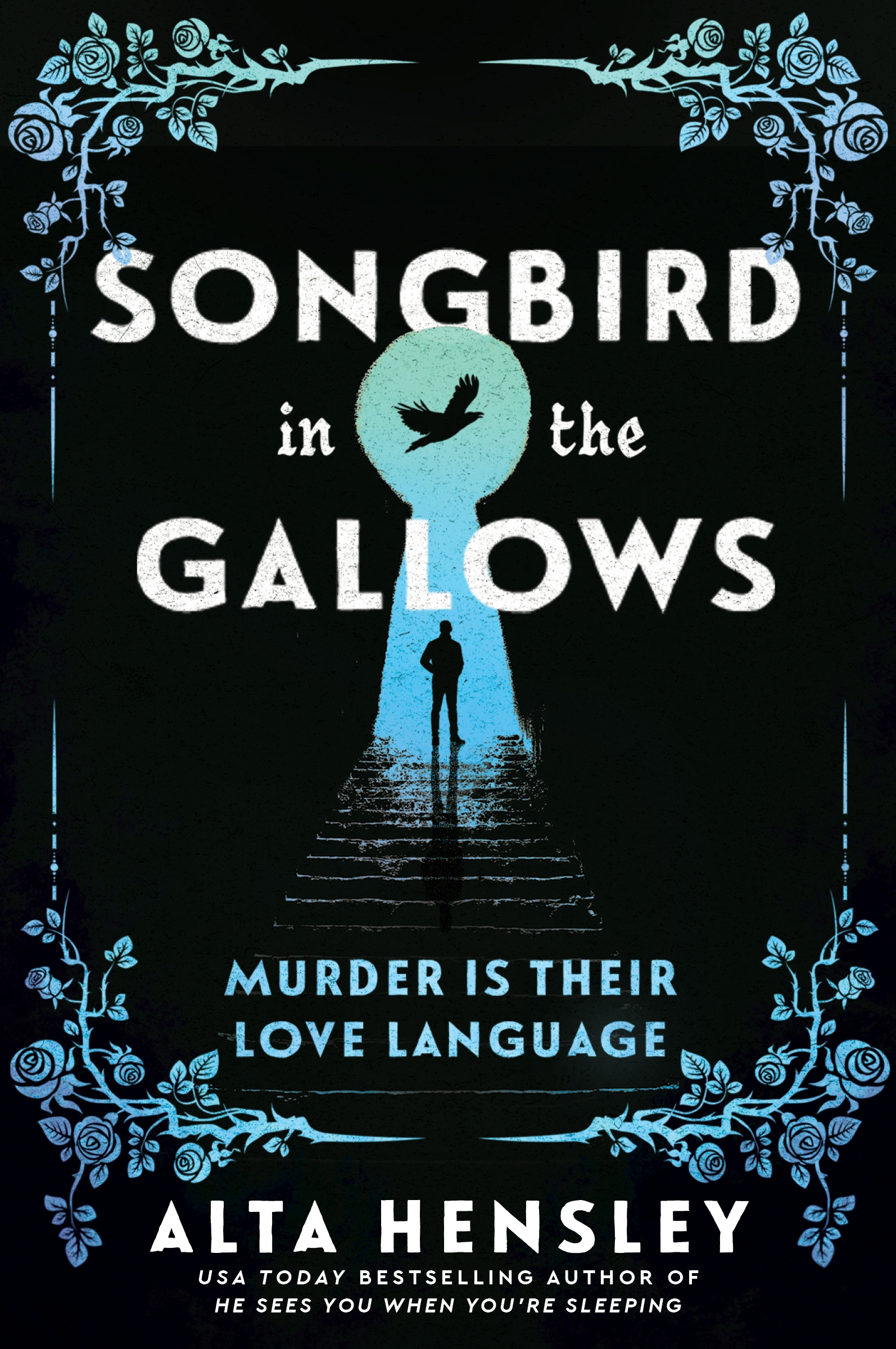
Five years after watching her father murdered before her eyes, Saylor Mitchell is hunted by the same killers who took him, and saved by the one man who knew him best. Blue is a reformed assassin with a violent past he can't outrun, and the only person who can teach Saylor to fight back against the Crow, the gang responsible for her father's death. As his lessons turn into obsession, Saylor must decide how far she's willing to go for vengeance, and what she's willing to become to get it.
Hop wakes up in an ancient labyrinth with no memory of his life, trapped alongside a girl he doesn't recognize and haunted by a shadowy figure that won't leave him alone. The only way out is through the Bone Door, hidden behind a series of impossible trials scattered across strange, shifting realms. But as Hop digs deeper into the maze's secrets, he realizes his own past may be tangled up in its horrors, and uncovering the truth is the only way anyone escapes.
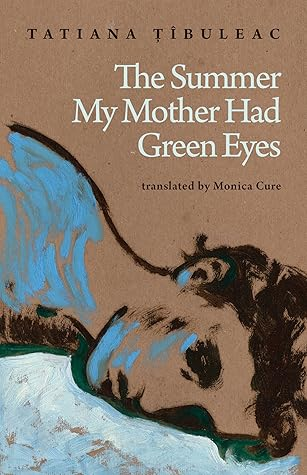
Eighteen-year-old Aleksy spends what he expects to be a torturous summer in the French countryside with his dying mother, only to find the woman he'd built his identity around hating slowly disappearing, replaced by someone softer and startlingly human. Fourteen years later, prompted by his psychiatrist, he relives those three months to make sense of the guilt, grief, and fragile reconciliation that defined them. It's a quiet, unsparing look at how families fail each other and the narrow window we sometimes get to make it right.
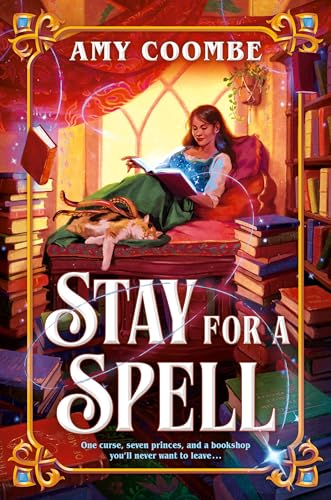
A princess who'd rather be reading than ruling gets exactly what she wants when a curse traps her in a crumbling countryside bookshop until she discovers her heart's true desire. Between a goth teenage shop assistant, a cursed pirate with a grudge against her stock, and a parade of princes convinced true love's kiss is the fix, Tandy has to figure out what she actually wants before everyone else decides for her.
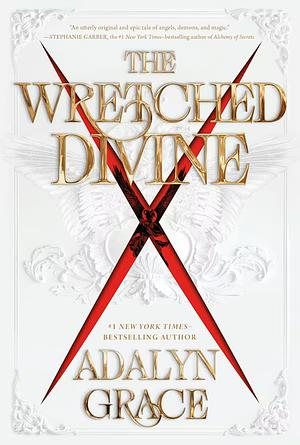
A knight bonded to an angel and a demon must decide whether to keep fighting a war she no longer believes in, or trust the very monster she was trained to destroy.
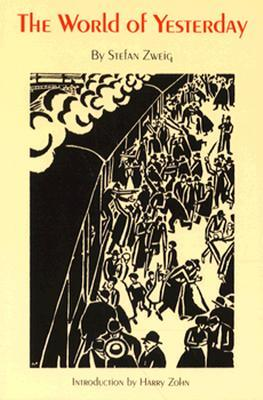
A memoir unlike any other, The World of Yesterday is Stefan Zweig's farewell to a vanished Europe. Written in exile as the world he loved collapsed around him, it is part elegy, part warning, and part love letter to the cosmopolitan culture of Vienna and the international community of artists he believed could save civilization from itself.
Tradwife influencer Natalie Heller Mills wakes one morning to find every modern convenience stripped away—no electricity, no producers, no safety net. Just 1855, dirt floors, and pioneer life. What starts as an unsettling fish-out-of-water story evolves into something far more disturbing, exploring influencer culture, gender dynamics, and how women perpetuate misogyny against one another.
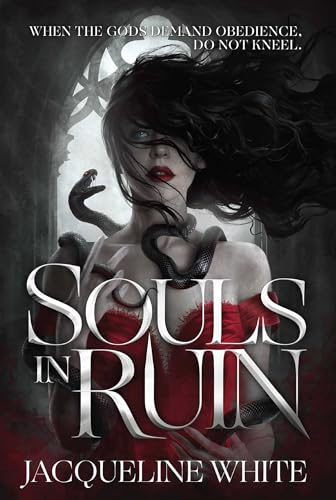
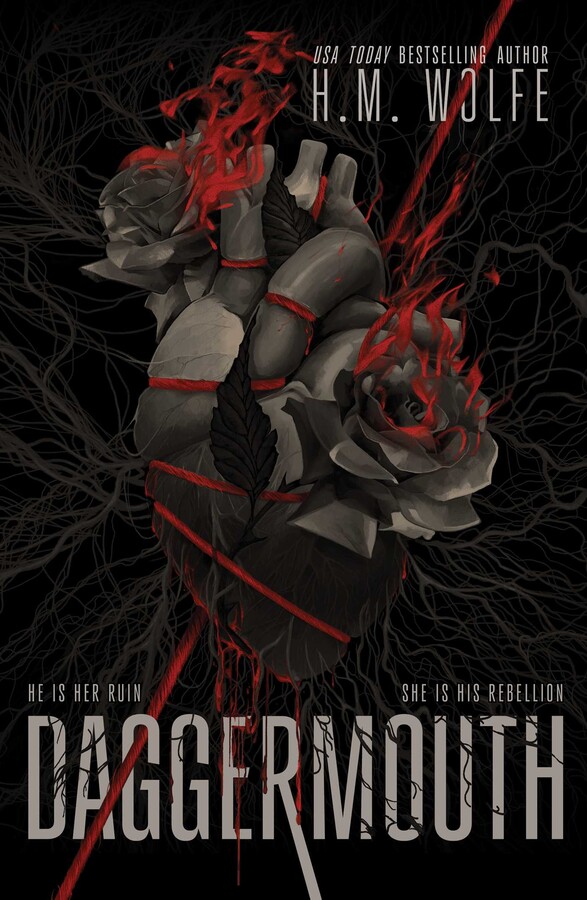
When Princess Mireille is married off to a foreign king with sinister intentions, she expects cruelty, not chains. Trapped within her own kingdom's walls and caught between two powerful immortal beings, she must reckon with her father's buried sins, her own dwindling soul, and the question of whether she was ever truly free to begin with.
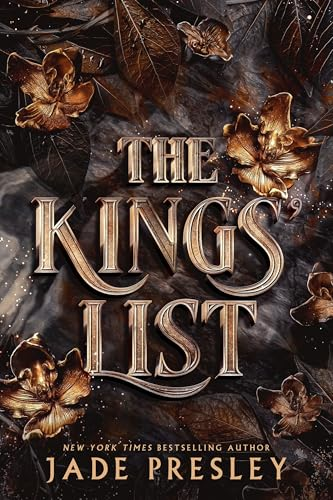
Rylee and the Legends of Chaos thought the trials were behind them, but the Kings have one more gauntlet to run. The King's List sends the group back into high-stakes challenges designed to prove their worthiness to rule, all while new threats emerge, old secrets unravel, and the bonds between Rylee and her mates are tested in ways none of them saw coming.
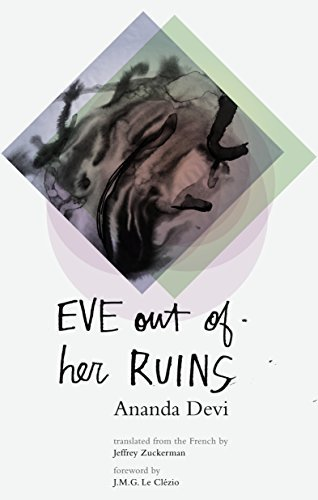
Eve Out of Her Ruins follows four teenagers in the impoverished Mauritian neighborhood of Troumaron: Eve, whose body is her only weapon; Saadiq, a poet in love with her; Savita, the friend who refuses to leave without her; and Clélio, a rebel with nowhere to direct his rage. Ananda Devi renders their interlocking lives with brutal, poetic precision, tracing what happens when survival and despair are the only inheritance a place can offer.
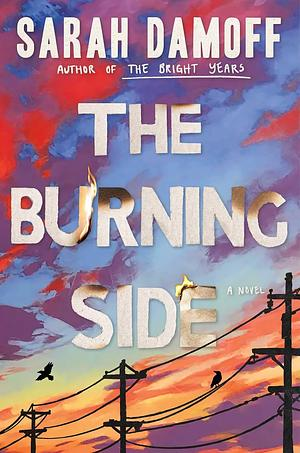
After their house burns down the same night Leo asks for a divorce, April and their two young children retreat to her childhood home in Dallas, where her parents offer both refuge and complication. Told through alternating perspectives and flashbacks, The Burning Side unravels the resentments, guilt, and buried tenderness of a marriage coming apart, asking whether love is enough to rebuild what's already been lost.
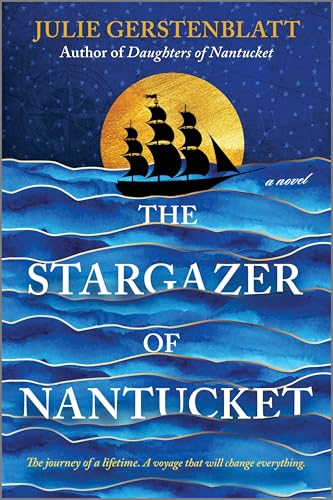
A headstrong eighteen-year-old stows away on her parents' clipper ship and finds herself swept into a record-breaking voyage from Nantucket to Gold Rush San Francisco and on to the ports of China, where family secrets and the perils of the open sea force her to reckon with a world far larger than she imagined.
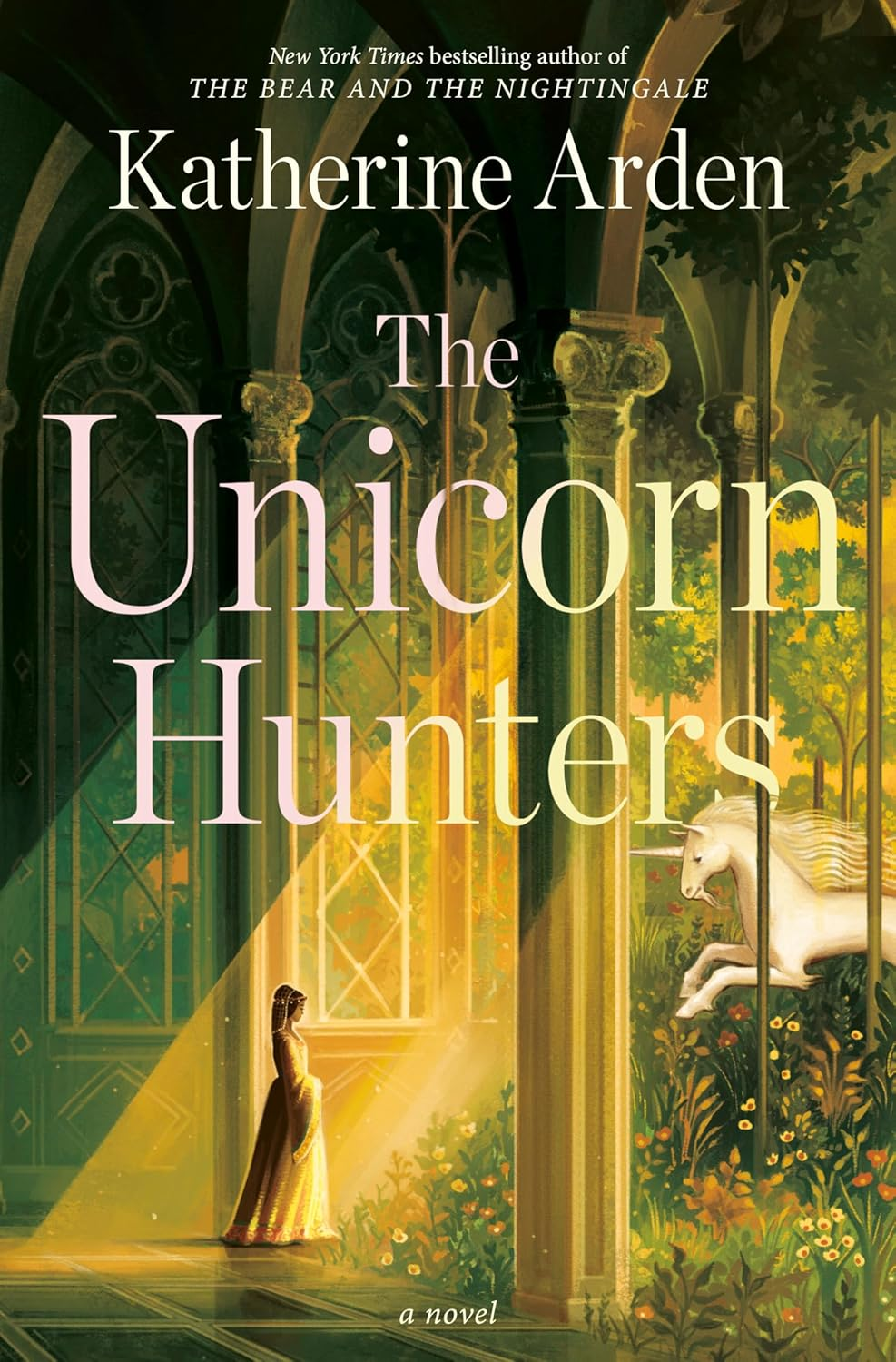
Anne of Brittany has made a promise she intends to keep: her kingdom will not fall to France. Faced with an enforced marriage to her conqueror, she engineers a secret betrothal in the only place beyond the reach of magical spies, a legendary forest rumored to harbor unicorns. What begins as political defiance becomes something stranger and more dangerous when the forest delivers exactly what no one believed in anymore, and Anne finds herself navigating not just the courts of men but the shadowed edges of an older world entirely.
A family separated by war. In 1950s Korea, teenage Oksoon flees the bombing of Pyongyang with her mother and restless younger brother, trekking south through brutal winter toward an uncertain future. Far away near Jinju, her cousin Junho survives at a threadbare orphanage, writing carefully crafted letters to American benefactors in hopes of keeping its doors open. As both navigate displacement, duty, and moral compromise, the choices they make in chaos will shape the rest of their lives.
Stella McCormick doesn't believe in love at first sight, but she believes in loathing it. From the moment Tyler Neumann walks into her tattoo parlor, she knows he's trouble. What she doesn't know yet is just how far he's willing to go. Tyler has spent years building toward a single goal: destroying the man who abandoned him. All he needs is a way in, and Stella is the door. Blackmailed into playing his fake girlfriend and dragged into her family's glittering social world, Stella starts to suspect Tyler's motives long before she stops being affected by him. Love and hate have always shared a thin line, and the closer they get, the harder it becomes to remember which side she's standing on.
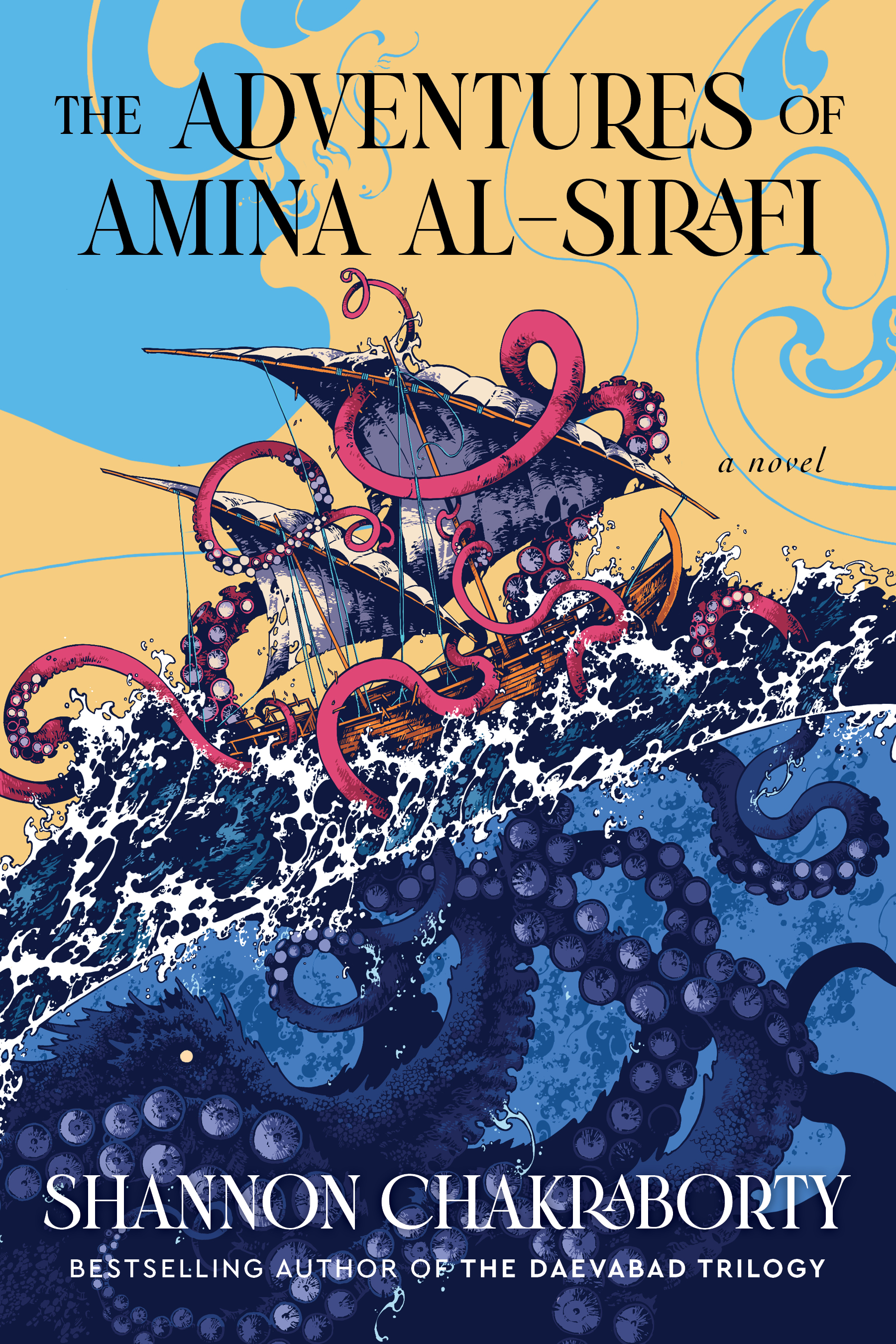
A retired pirate in her forties thinks she's done with adventure. Then a desperate noblewoman offers her an impossible sum to rescue a kidnapped girl with ties to Amina's past crew, and suddenly the Indian Ocean's most notorious former bandit is assembling her old team for one last job. What starts as a straightforward rescue quickly reveals something far more dangerous lurking beneath the surface.
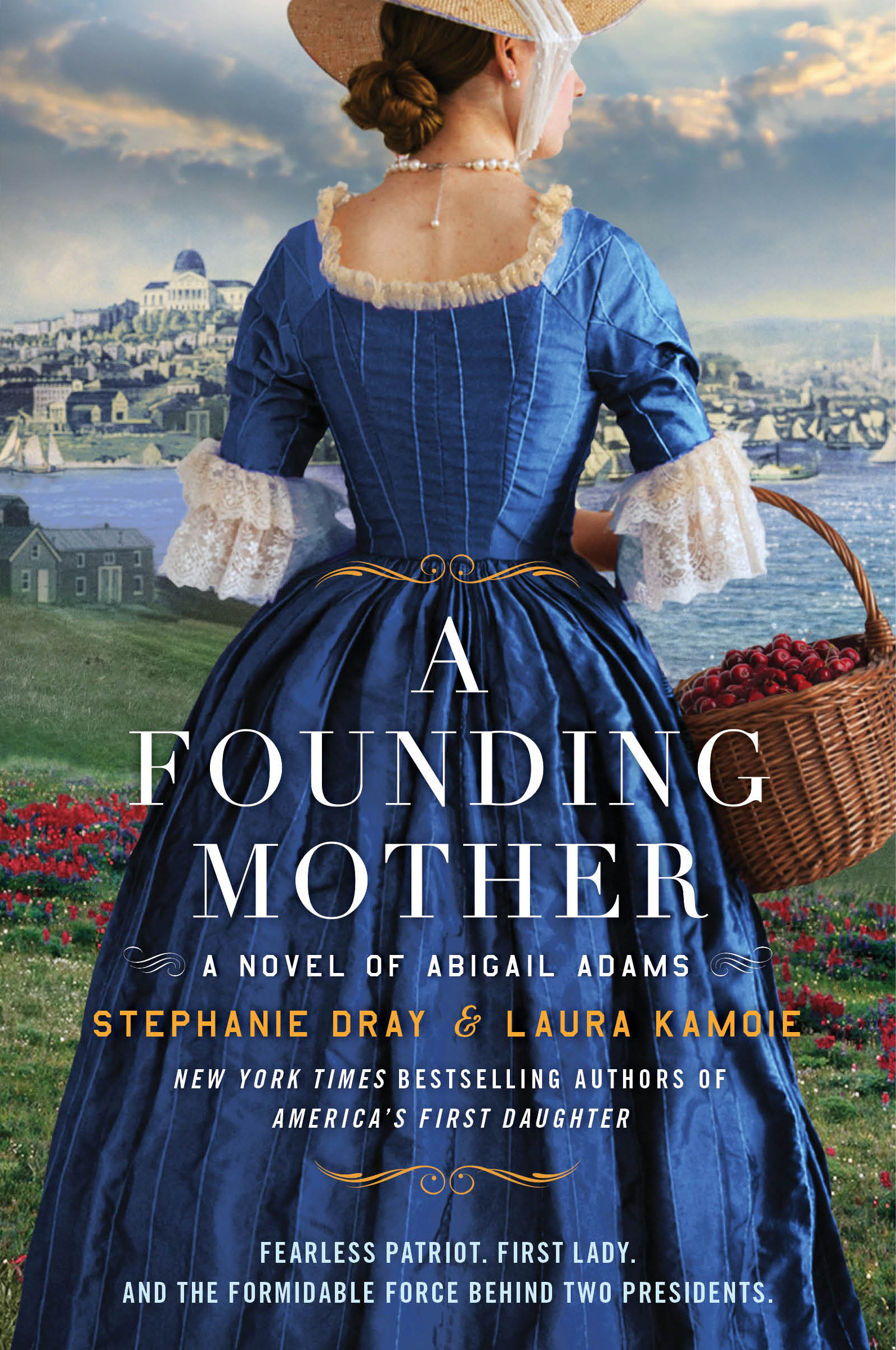
A sweeping yet intimate portrait of Abigail Adams, A Founding Mother follows one of America's most remarkable women from the revolution's front lines to the corridors of early political power. Dray and Kamoie capture the full arc of her life: the sacrifices, the losses, the intellectual fire, and the quiet influence that helped shape a nation.
Marin is a supply runner who asks no questions and delivers anything: letters, flour, the occasional enchanted lemur. It's a solitary life, but the sea is hers and that's enough. When she arrives at the city of Alyssium to find it burning and an empire in ruins, she pivots without hesitation, ferrying refugees to safer shores. Among them is Dax, a composer who refuses to abandon his instruments no matter how urgent the crisis. As Marin navigates debt, danger, and an unexpected crew (including a sailor shrub named Ree), she starts to wonder if the life she's built for herself has room for something more.
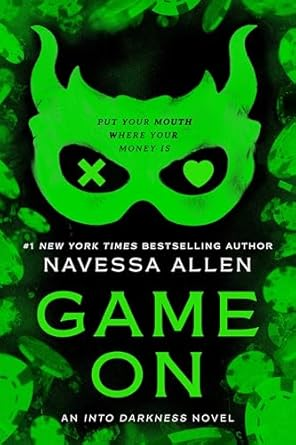
A mercenary botches the assassination of the president's son and is forced to marry him instead. Trapped inside the corrupt heart of New Found Haven, Shadera and Greyson must navigate a political marriage neither wanted, secrets that could topple the regime, and a hatred that refuses to stay simple.
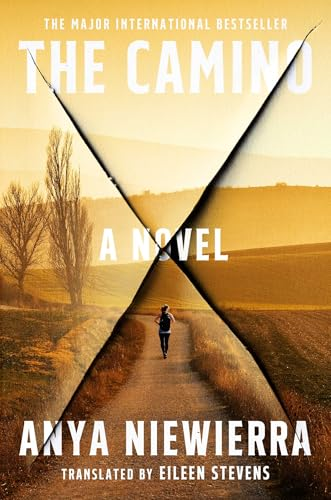
When chocolatier Lotte Bonnet's husband Emil dies by suicide on the Camino de Santiago, she is left not only devastated but full of questions. A year later, she retraces his exact route through central France, hoping the path will give her answers. What she finds instead is that the man she loved was hiding a dark secret rooted in the horrors of the Bosnian War, and that someone on the trail does not want her to find out the truth.
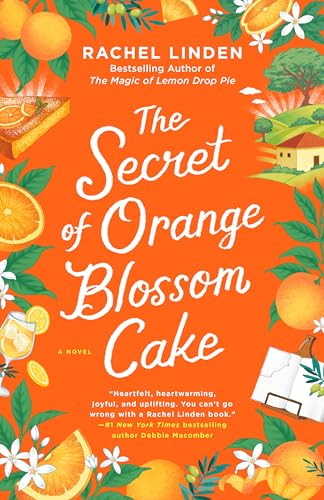
Jules Costa thought her career was her whole life, until disaster forced her back to her family's olive farm on the shores of Lake Garda. Now she has one summer to save her cookbook, uncover a web of long-buried family secrets, and figure out why her Nonna's magical recipe collection refuses to reveal a single page to her. Oh, and somehow ignore the fact that her childhood heartbreak grew up and moved next door.
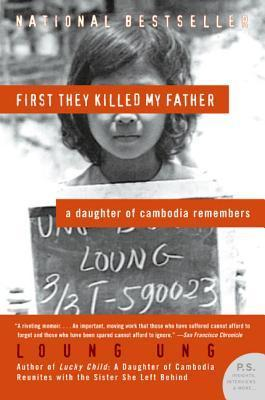
In April 1975, the Khmer Rouge marched into Phnom Penh and changed everything. Told through the eyes of five-year-old Loung Ung, this memoir traces her family's desperate flight from the city, their years hiding under the regime, and the losses that accumulated along the way. It is a child's account of survival, and one of the most necessary books written about the Cambodian genocide.
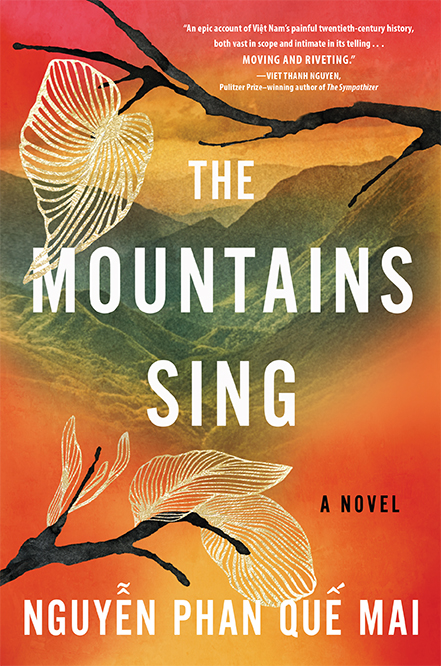
Spanning nearly a century of Vietnamese history, this book follows the Trần family across two alternating timelines: grandmother Trần Diệu Lan, whose life is shaped by French colonialism, Japanese occupation, famine, and land reform, and her granddaughter Hương, coming of age in wartime Hà Nội during the 1970s. Through their intertwined voices, Nguyễn Phan Quế Mai traces how war, ideology, and survival fracture and sustain a family across generations, refusing to look away from brutality while never losing sight of love.
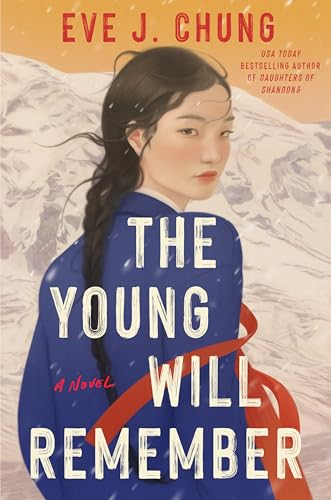
When Chinese American journalist Ellie Chang's military plane is shot down over North Korea in the brutal winter of 1950, she expects to die — until a Korean woman claims her as the missing daughter she's been searching for since the last war. Bound together by an impossible choice, the two must journey south through enemy territory to survive. A sweeping, moving novel about the Forgotten War and the women who endured it, from the bestselling author of Daughters of Shandong.
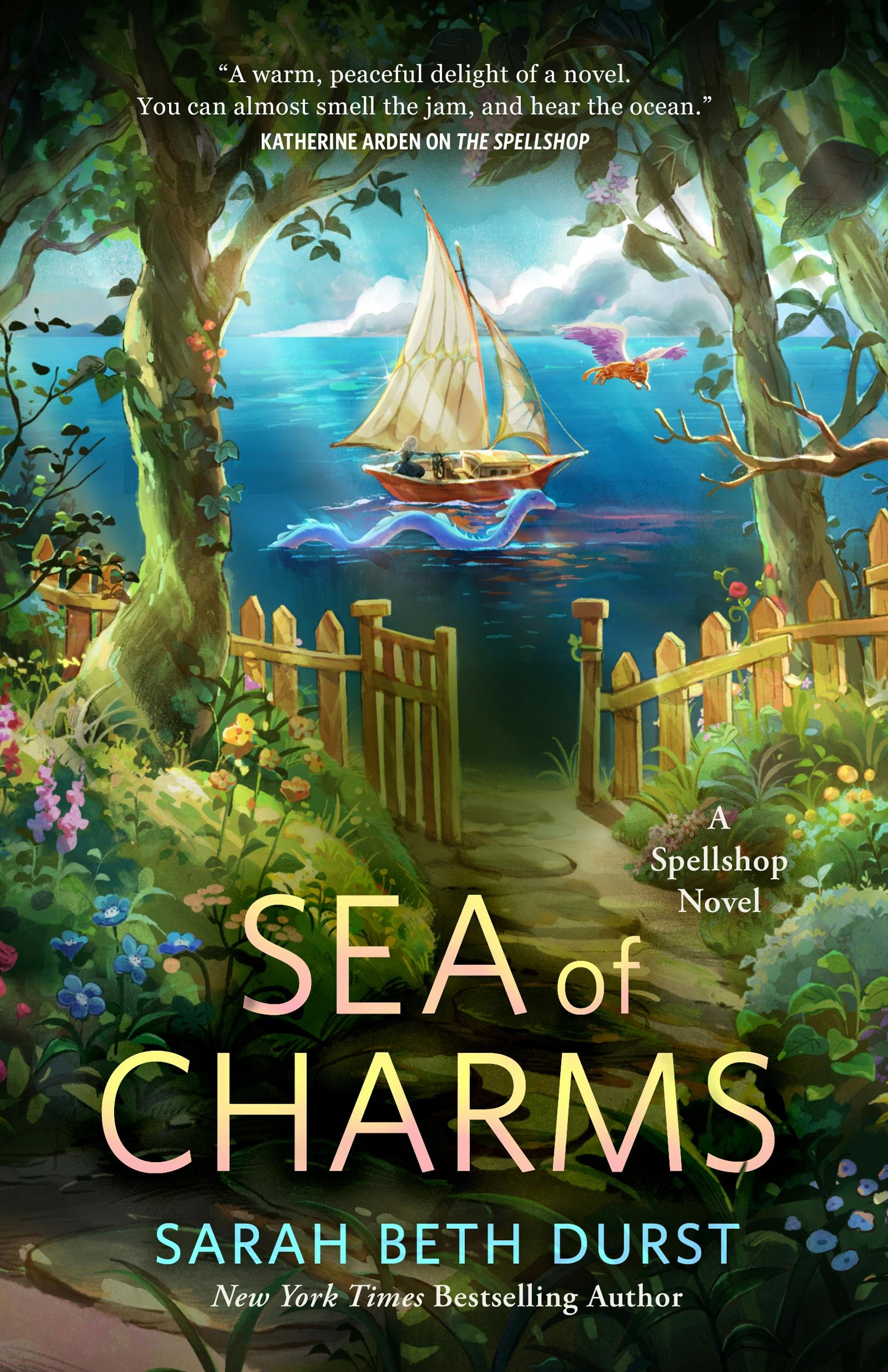
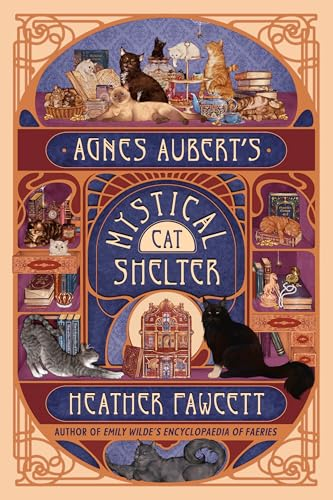
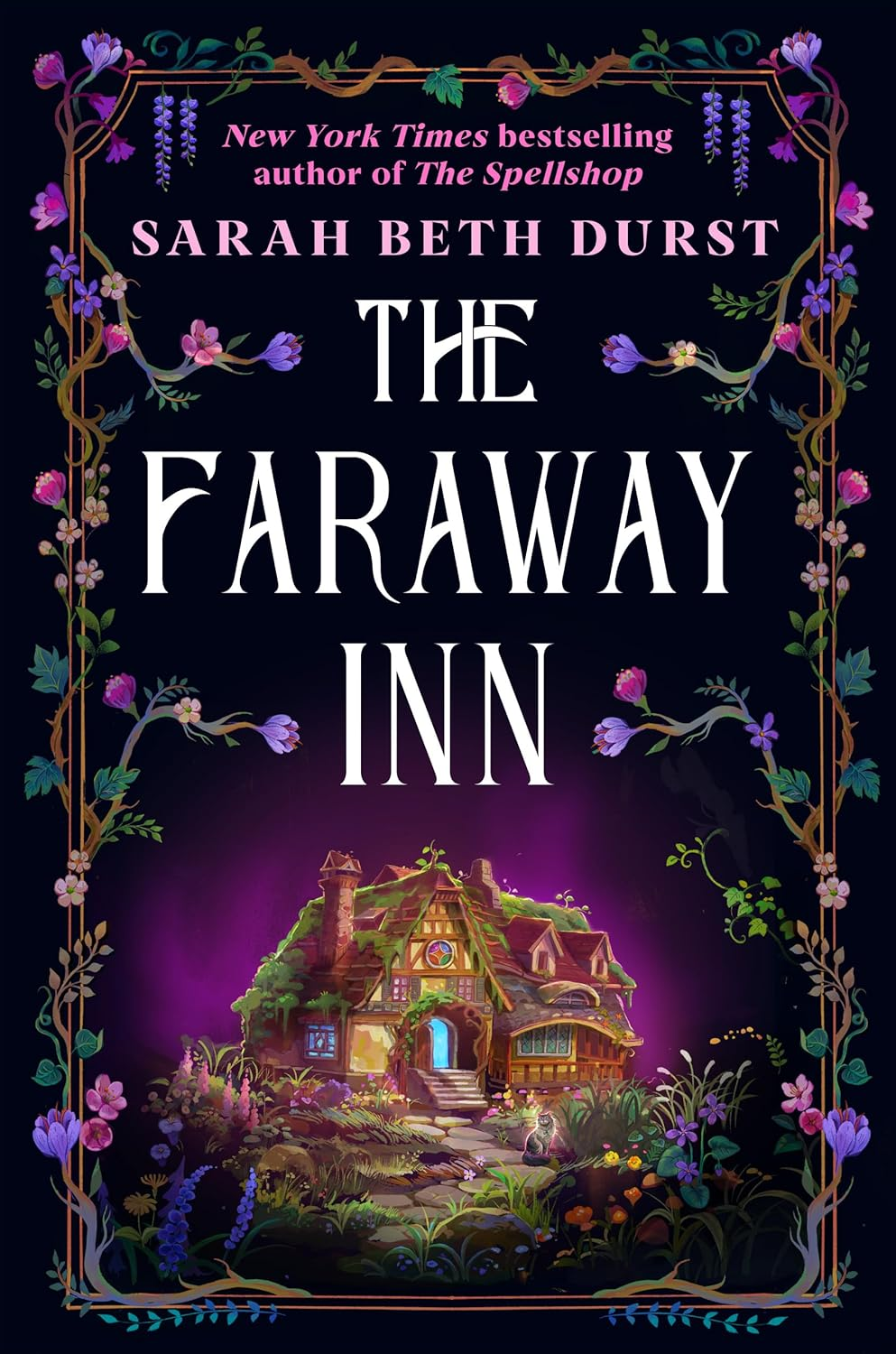
Agnes Aubert runs a tight ship at her cat rescue charity, and she likes it that way. But when the shelter needs a new home, the only landlord willing to take them in is Havelock, a cantankerous magician with a shadowy past and an illegal magic shop in his basement. When a glamorous rival magician arrives threatening everything Agnes has built, she'll have to trust the man who allegedly almost ended the world to save the place she loves most.
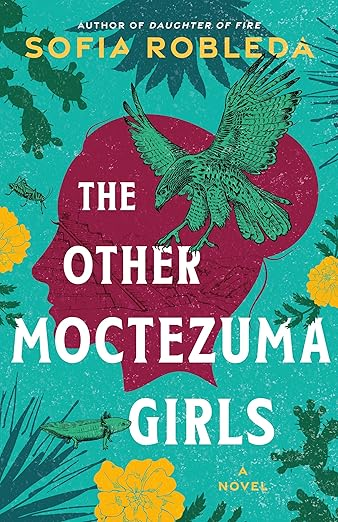
The Other Moctezuma Girls is set in Tenochtitlan in 1551, thirty years after the Spanish Conquest. When the last Aztec empress dies and her contested will threatens to tear her family apart, her daughter Isabel suspects a hidden account of her mother's life is scattered in clues across the Valley of Mexico. Joined by her siblings and a young cook named Juan, Isabel sets out on a perilous journey through viceroyal courts, mystical chinampas, and harsh terrain to piece together who her mother really was and what she sacrificed to survive.
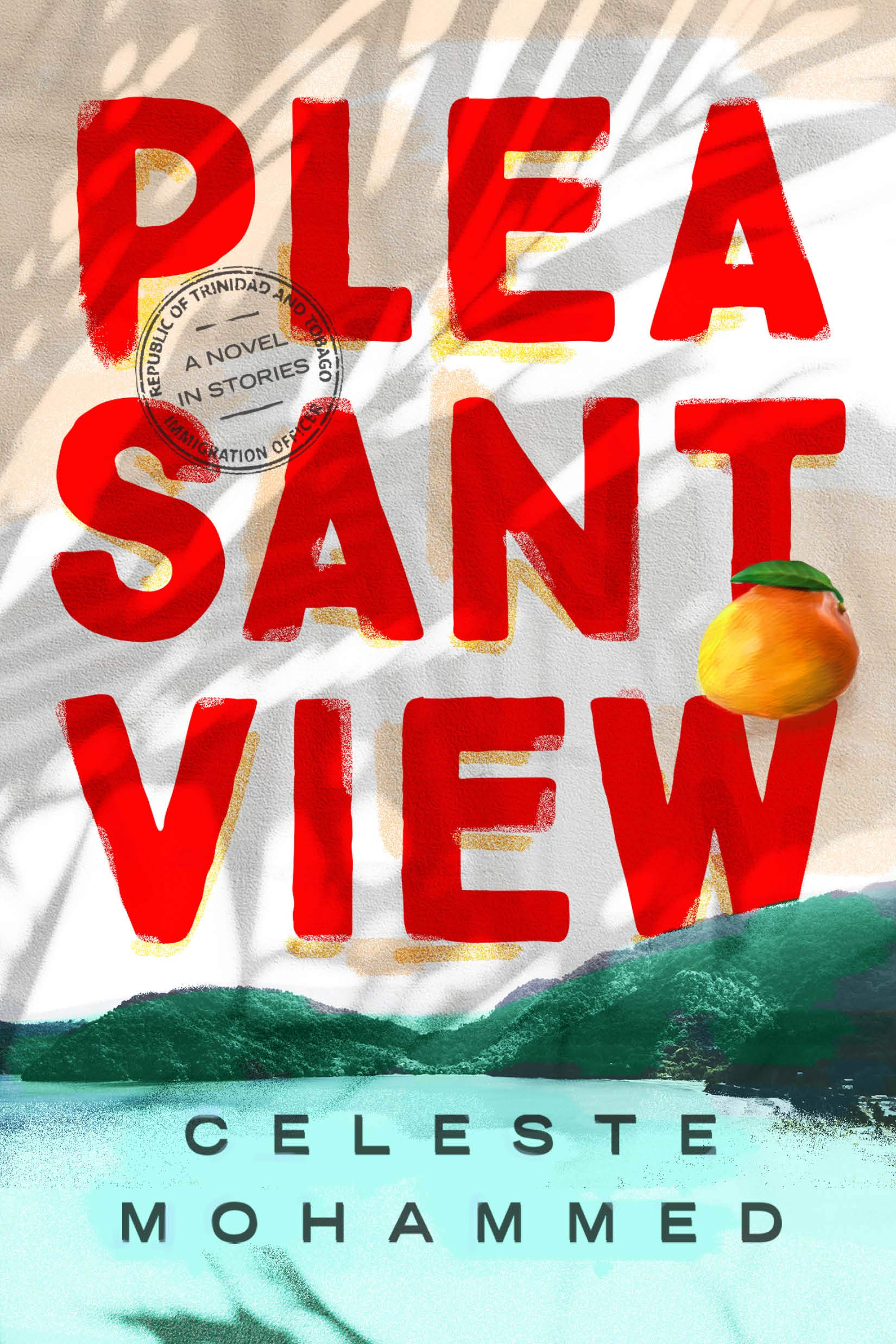
Pleasantview is a novel-in-stories set in a fictional Trinidadian town, where the sun-soaked surface of Caribbean life gives way to corruption, patriarchy, and the messy, interconnected fates of a community. Written in a blend of English and Trinidad Creole, it won both the 2022 CLMP Firecracker Award for Fiction and the 2022 OCM Bocas Prize for Caribbean Literature.
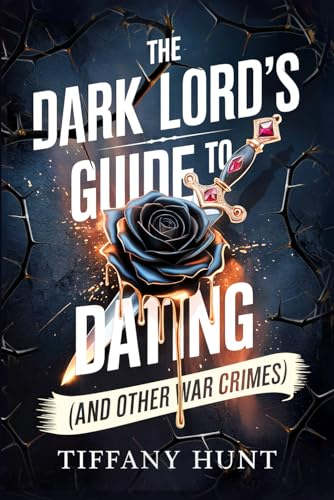
When Dark Lord Kazimir Blackrose kidnaps Lady Arabella for a forced marriage, he expects a broken bride. Instead, he gets a furious warrior who refuses to be anyone’s prize and insists on her own terms, even inside his fortress. Dark, spicy, and wickedly funny, this enemies-to-lovers romantasy follows a conflicted villain and his unstoppable bride as their chaotic alliance becomes the kingdom’s most dangerous, most combustible relationship.
A devastating love story, a bewitching twist on history, and a blood-drenched hunt for purpose, power, and redemption. Professor Sebastian Grave is drawn back to the Beast of Gévaudan by an estranged lover and a dark secret, only to find the French countryside aflame with revolution, demons, and a monster bent on making war on the world.
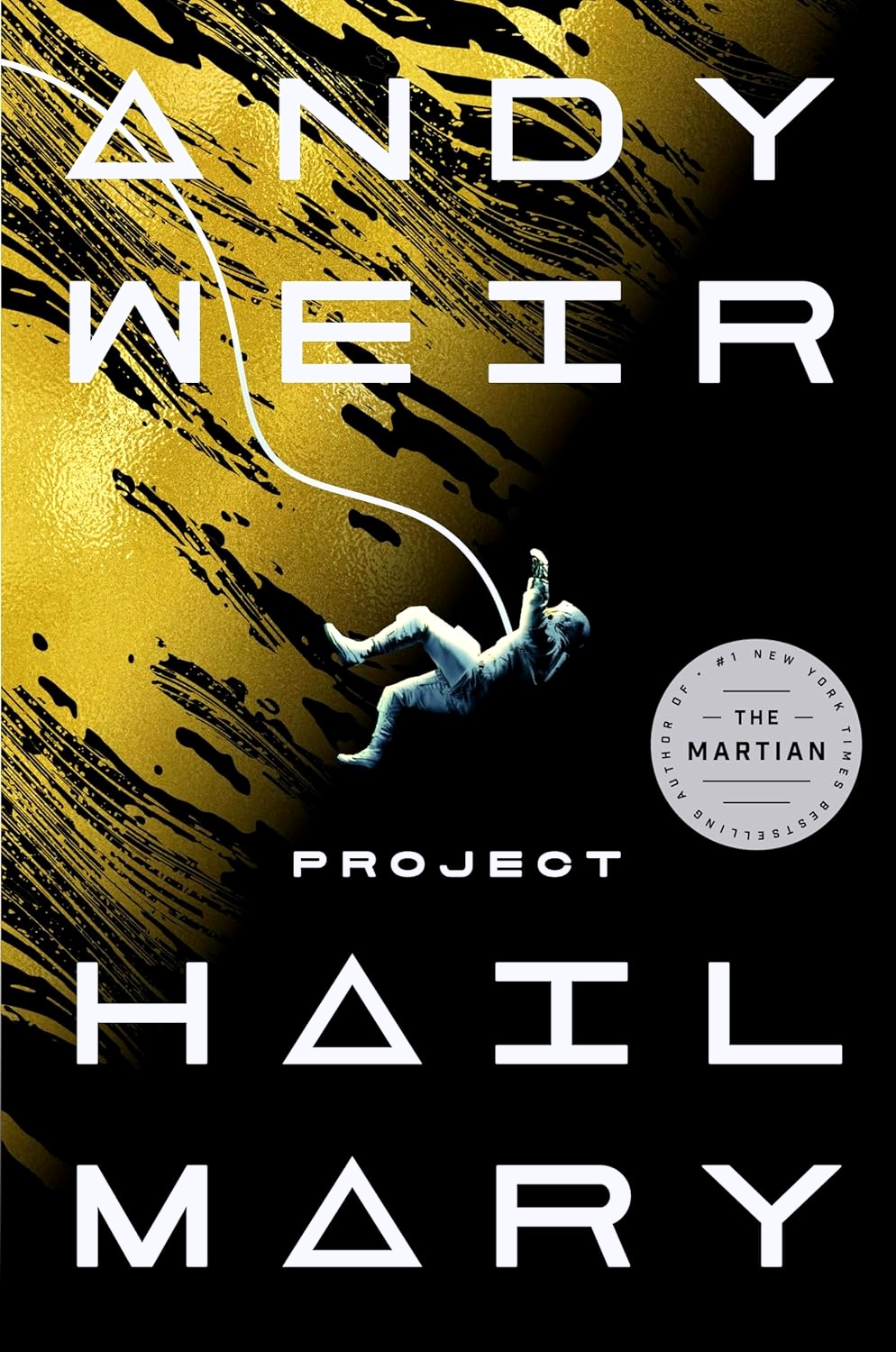
A lone astronaut must save the earth from disaster in this incredible new science fiction thriller from the #1 New York Times bestselling author of The Martian.
Sixteen-year-old Calisa arrives at her great-aunt's Vermont B&B expecting a cozy summer escape — and finds a rundown inn and a grumpy Auntie Zee who doesn't want her there. Determined to stay, Calisa throws herself into fixing the place up, with some help from the groundskeeper's (very handsome) son. But the longer she stays, the clearer it becomes that the inn's quirky guests are hiding something. Something almost otherworldly. The inn has a magical secret — and once Calisa opens that door, there's no going back.
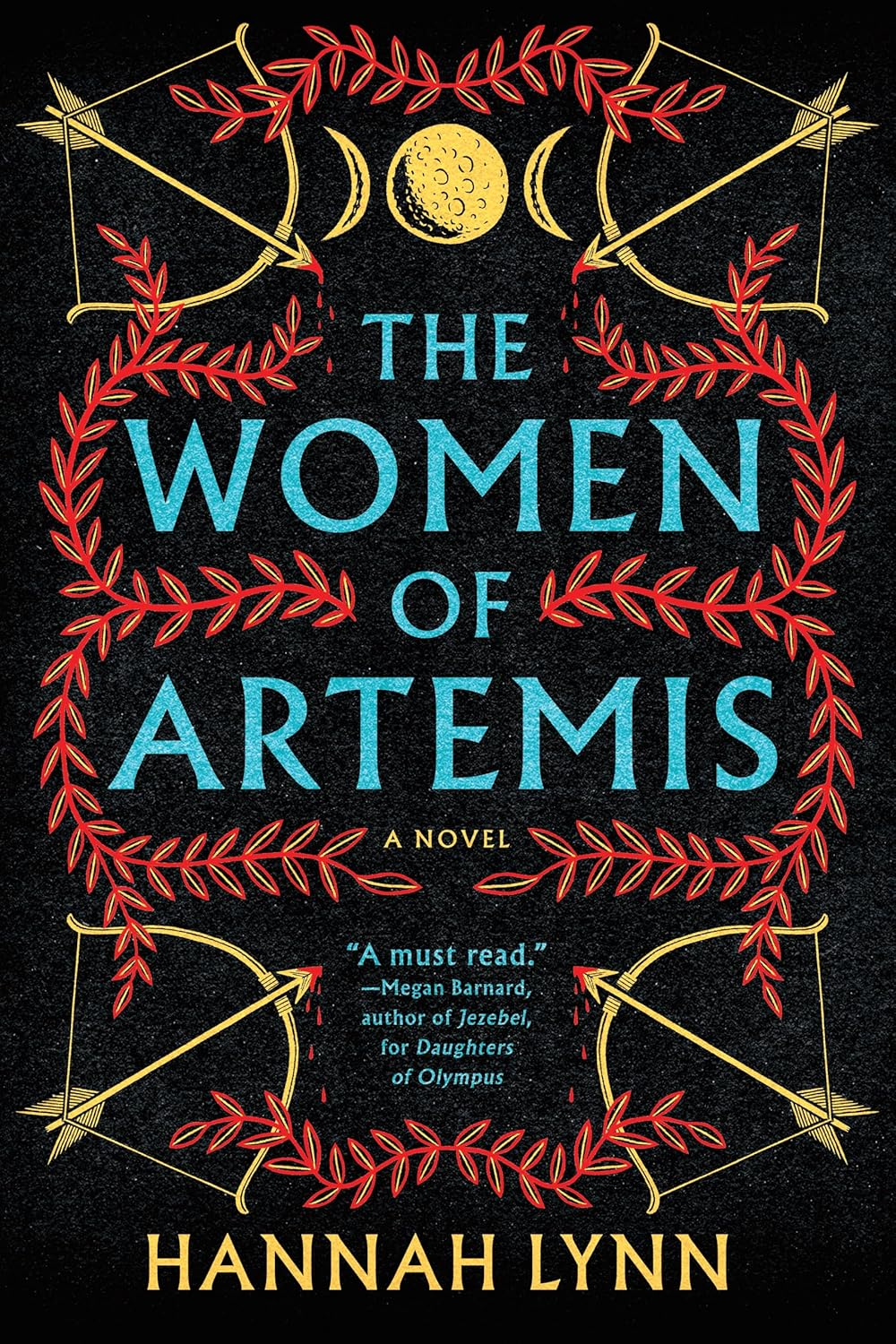
The untold rise of the Amazons: Otrera refuses a life of abuse and rallies other women to fight back, forging a sisterhood built on defiance and blood-bought freedom. Together they build a new world—and make enemies of gods and men who will not yield power without a war.
In Dividium, a crime means a life sentence in Endlock — a brutal prison where the wealthy hunt inmates for sport. Bounty hunter Raven Thorne will do anything to save her brother Jed, even get herself arrested to break him out. Trapped in a cage built for killing, she must use every scrap of cunning and strength to survive — and wrestle with a dangerous, unexpected attraction to a prison guard whose loyalties are unreadable. High-octane, romantic, and ruthless, this is a story of forbidden love, found family, and one woman’s fight to tear down a vicious system.
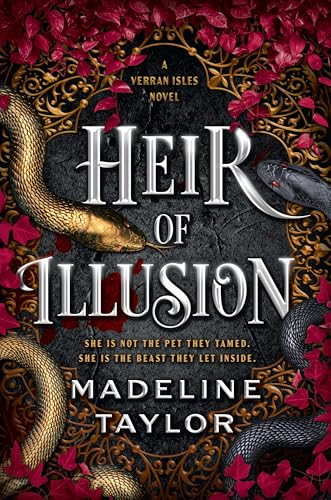
A fae assassin bound by an enchanted collar to a ruthless king meets a mysterious reaper with a deadly touch, and their unlikely alliance becomes a dangerous game of desire and destruction. Iverson's power of illusion is no match for her servitude—until Thorne arrives with the weapon she needs to break free. But their tenuous bond hides secrets that could destroy them both, and touching him means certain death.
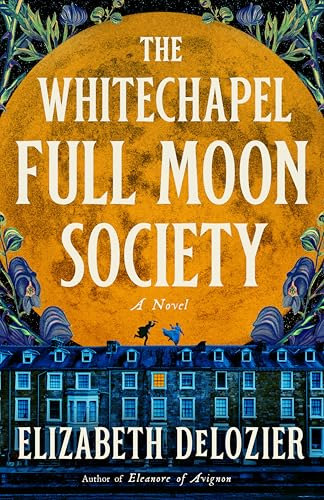
Set in Victorian London during Jack the Ripper’s reign, Caroline Foster takes a maid’s post at the opulent, secretive Whitechapel Full Moon Society while searching for her missing brother. Bound by odd rules—ask no questions, avoid the barred second‑floor room, and stay indoors on full moons—she soon uncovers links between the Society and a string of murders that pull her into a web of curses, family secrets, and monstrous truths. Taut, atmospheric, and chilling, this is a gripping supernatural reimagining of the Ripper case.
Magic built Tiran into an industrial utopia, but its power came at a price. When Sciona claws her way to become the High Magistry's first woman, her hostile colleagues assign her a janitor—who was once a nomadic hunter from beyond the barrier. As they clash and uncover an ancient secret, Sciona must question how much truth is worth when civilization itself is at stake.
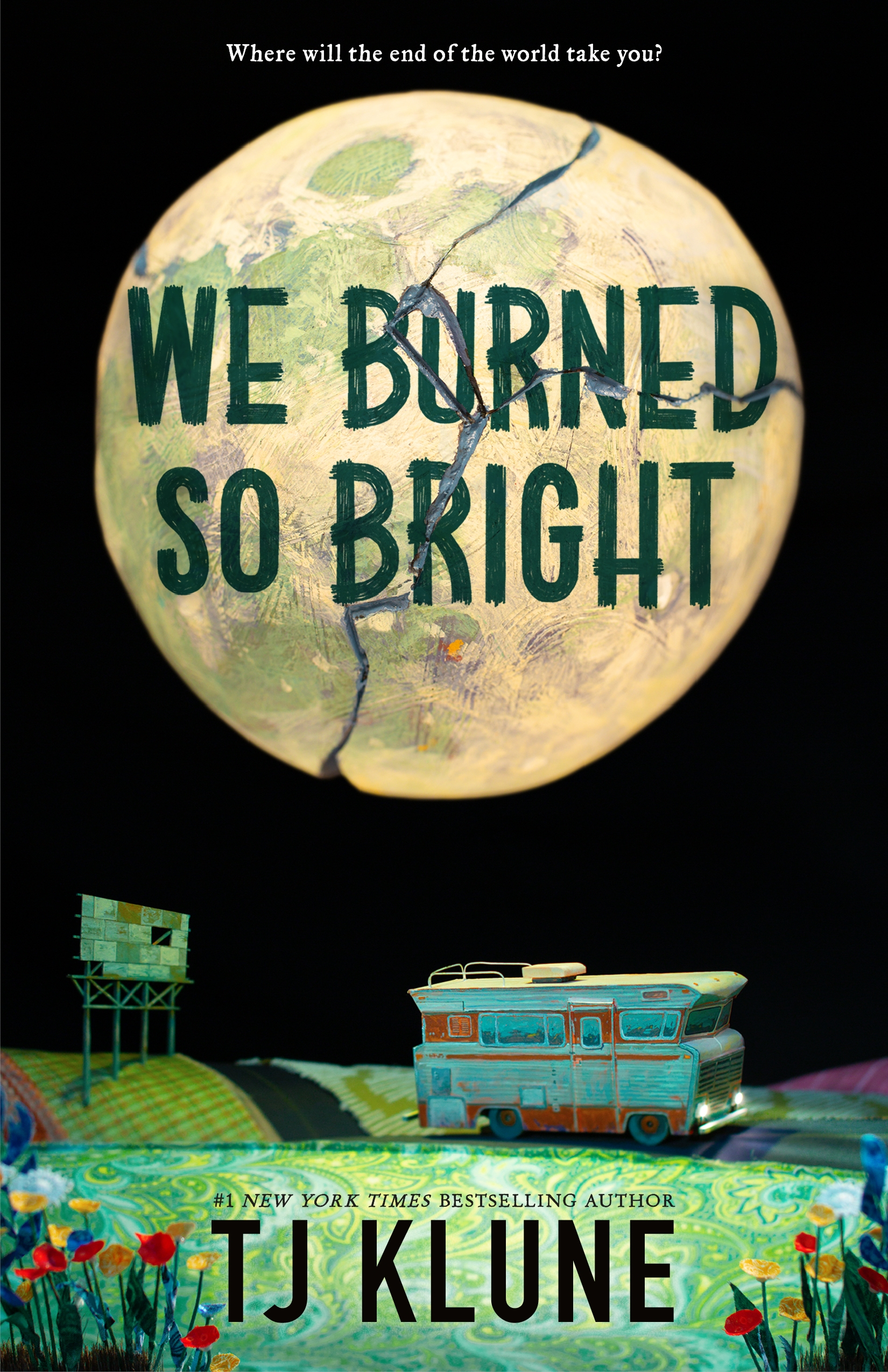
After forty years together, husbands Don and Rodney are out of time. A rogue black hole is bearing down on Earth, and in a matter of weeks, everything and everyone they've ever known will be gone. So they hit the road — Maine to Washington State — to settle some unfinished business before it's all over. Along the way they find people living their final days with everything they have: impromptu weddings, bonfires, new friends, and shared meals. And as the sky fractures above them, Don and Rodney will ask if their best was ever good enough.
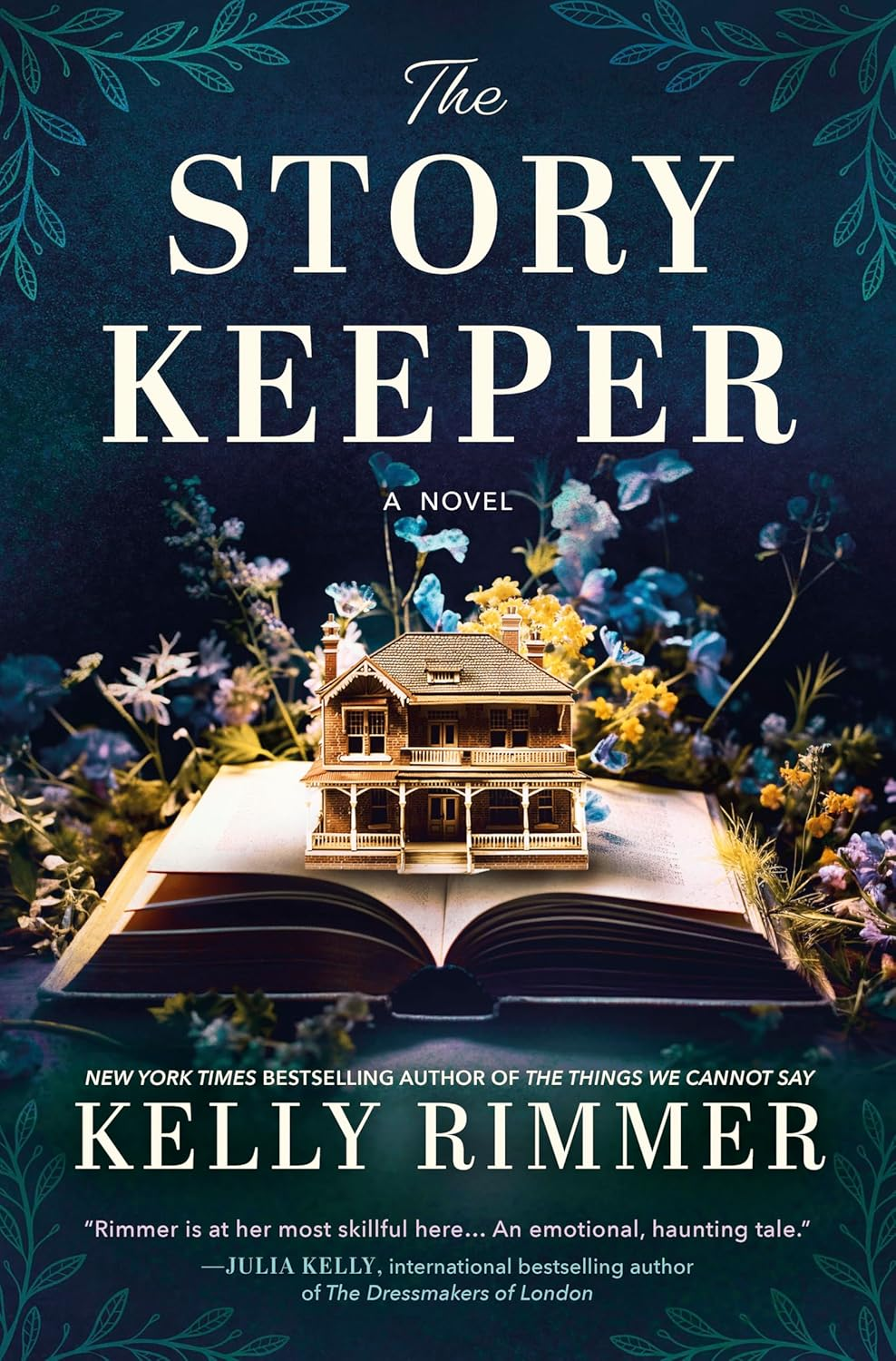
The Story Keeper by Kelly Rimmer is a haunting, emotionally layered novel that blends family mystery with a book-within-a-book narrative. After a difficult year, Fiona Winslow returns to her family’s decaying estate, Wurimbirra, determined to restore it—but instead uncovers long-buried secrets. When she discovers a mysterious novel in her late uncle’s library that eerily mirrors her own life, the line between fiction and reality begins to blur. As past and present intertwine, Fiona must unravel the truth hidden within both the house and the story itself.
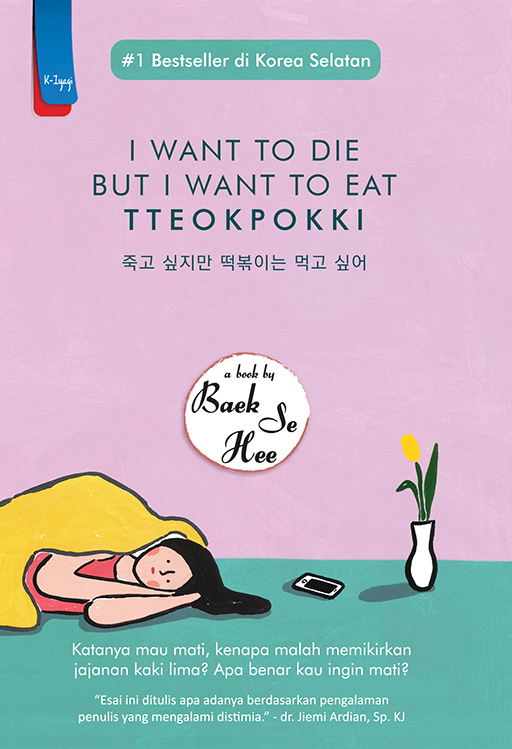
I Want to Die but I Want to Eat Tteokbokki is part memoir, part self-help, structured around twelve weeks of recorded therapy sessions between the author and her psychiatrist, interspersed with reflective personal essays. Candid and quietly funny, it traces one young woman's attempt to untangle the cycles of self-doubt, anxiety, and persistent low-grade depression that kept her from fully inhabiting her own life.
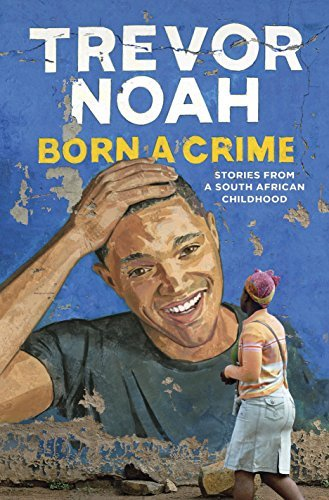
Born a Crime is the memoir of Trevor Noah, born to a white Swiss father and a Black Xhosa mother at a time when such a union was punishable by five years in prison in apartheid South Africa. Kept mostly indoors as a child to hide him from authorities, Noah traces his journey from a mischievous boy navigating a world where he was never supposed to exist to a restless young man finding his footing in post-apartheid Johannesburg.
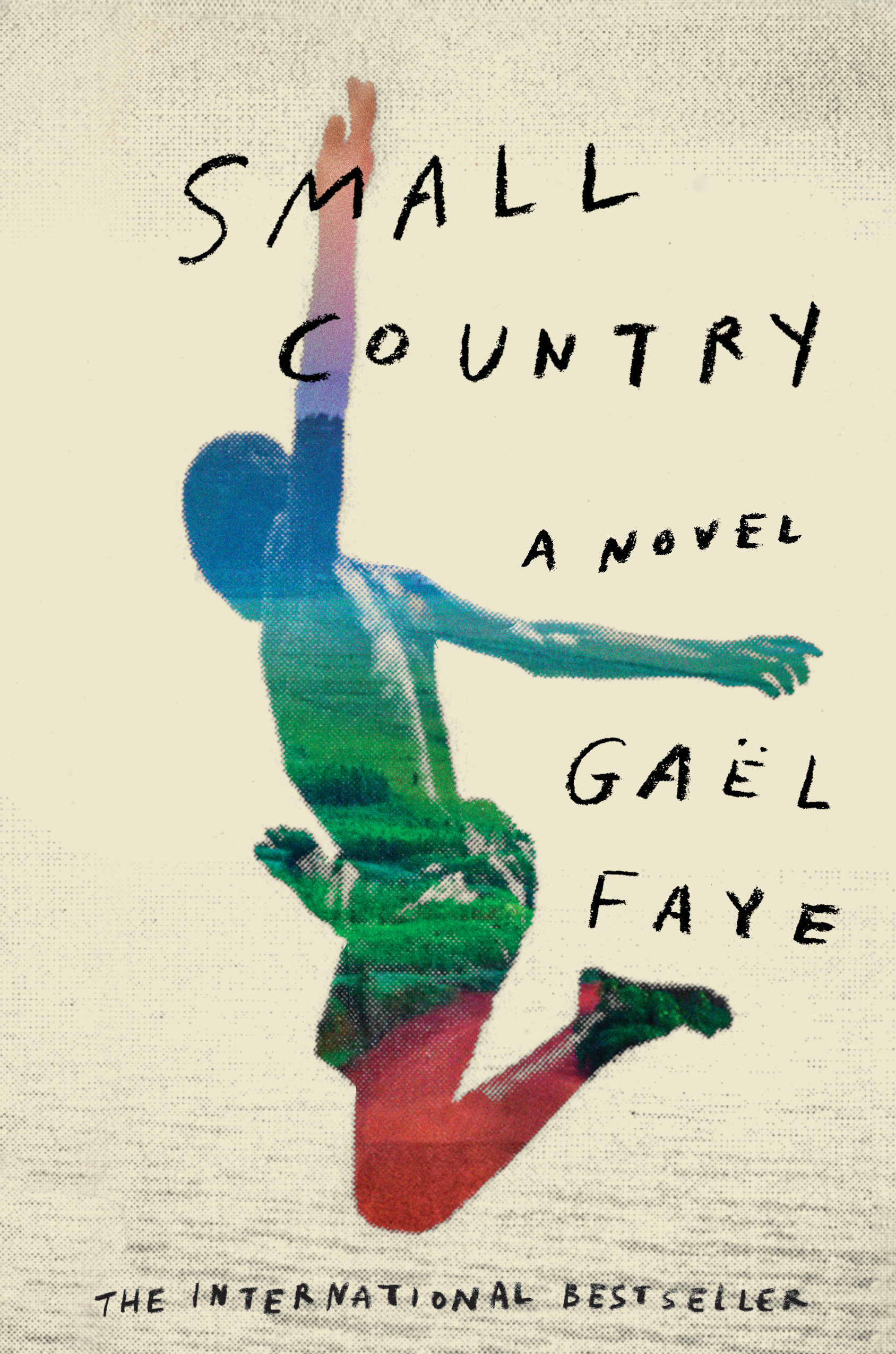
A prize-winning bestseller in its native France, a vivid and evocative coming-of-age tale, set against the backdrop of the Rwandan genocide and the civil war in Burundi, of a young boy's childhood innocence shattered by the brutal tides of history.
In 1992, Gabriel, ten years old, lives in Burundi in a comfortable expatriate neighborhood with his French father, his Rwandan mother and his little sister, Ana. In this joyful idyll, Gabriel spends the better part of his time with his mischievous band of friends, in a tiny cul-de-sac they have turned into their kingdom. But their peaceful existence will suddenly shatter when this small African country is brutally battered by history.
In this magnificent coming-of-age story, Gael Faye describes an end of innocence and drives deep into the heart and mind of a young child caught in the maelstrom of history.
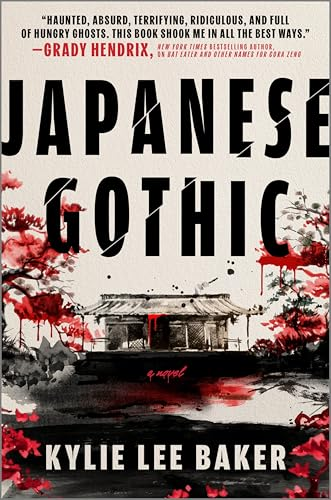
In this lyrical horror rooted in Japanese myth, two people centuries apart—Lee Turner in 2026 and Sen, a samurai in 1877—are linked by a house hidden beneath sword ferns and a door between worlds. As memories fracture and realities bleed together, one story is a ghost and the other a lie, and both uncover a terrible thing that should have stayed buried.
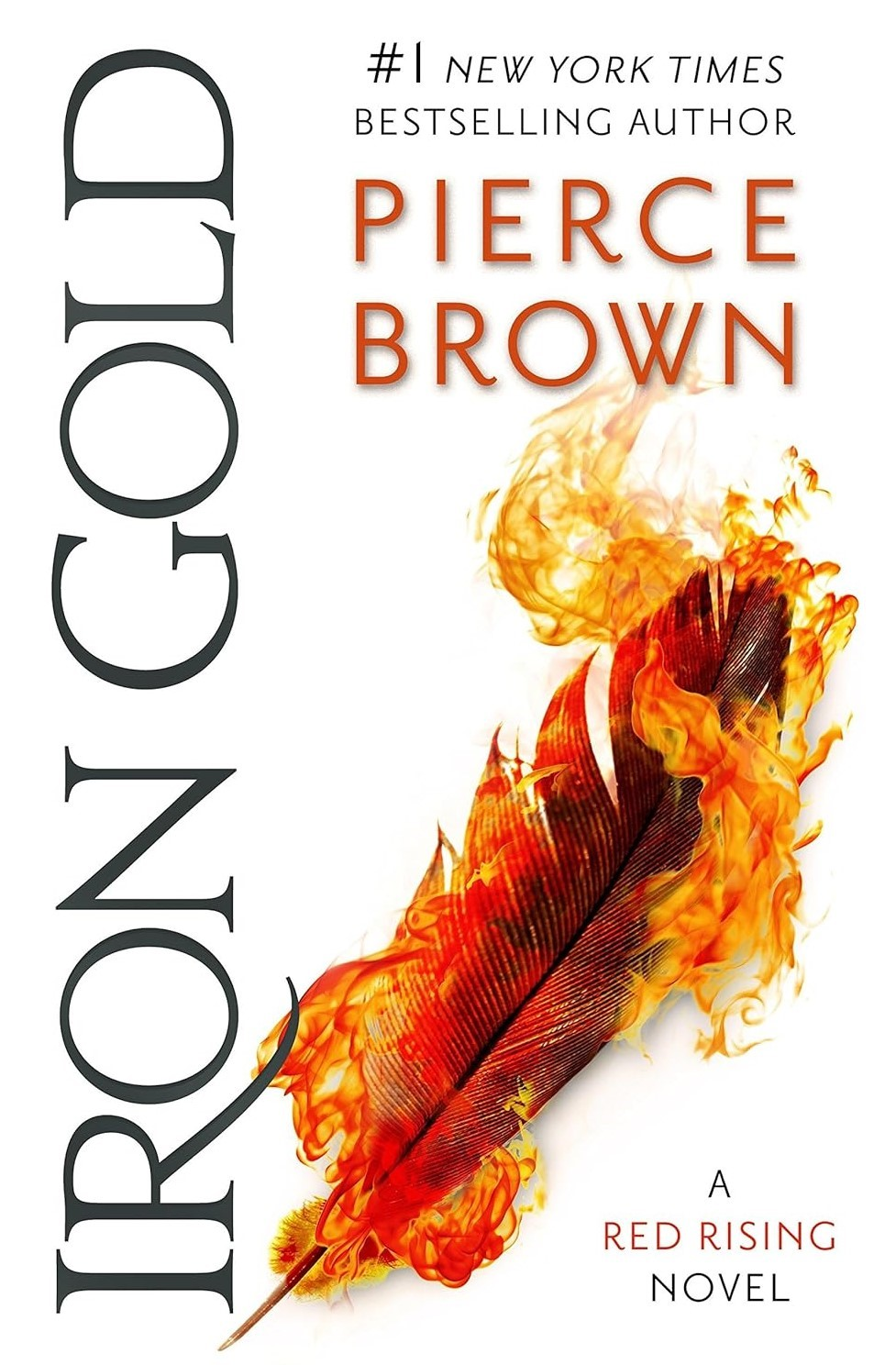
They call him father, liberator, Reaper—but Darrow feels like a boy falling toward a pale blue planet, his armor red and his heart heavy. Ten years after the Rising, his revolution has become endless war, and he risks everything on one last desperate mission. Across the worlds, a displaced Red girl, a grief‑scarred thief, and the exiled heir Lysander intersect with Darrow’s fate. Red Rising closed one universe—Iron Gold opens a new saga of tragedy and hard-won triumph.
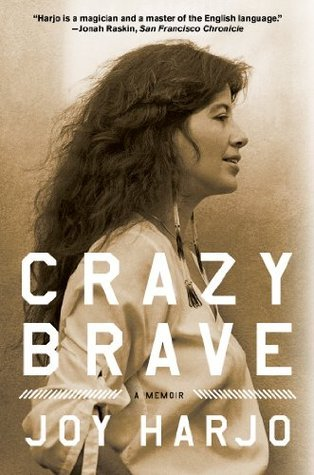
In Crazy Brave, Joy Harjo shares her journey from a childhood marked by poverty and trauma to becoming a celebrated poet and musician. Through vivid storytelling and lyrical prose, Harjo explores themes of identity, resilience, and the power of art to heal and transform. This memoir offers an intimate look at the life of a Native American artist who has overcome immense challenges to find her voice and share her story with the world.
A riveting account of Lady Evelyn Herbert—the overlooked force behind the discovery of Tutankhamun’s tomb. Set against the Egyptomania of 1920s London, the novel follows Evelyn’s daring pursuit of Hatshepsut, Egypt’s erased woman-pharaoh, and the dangerous choices she faces between family loyalty, professional ambition, and a dream that could rewrite history.
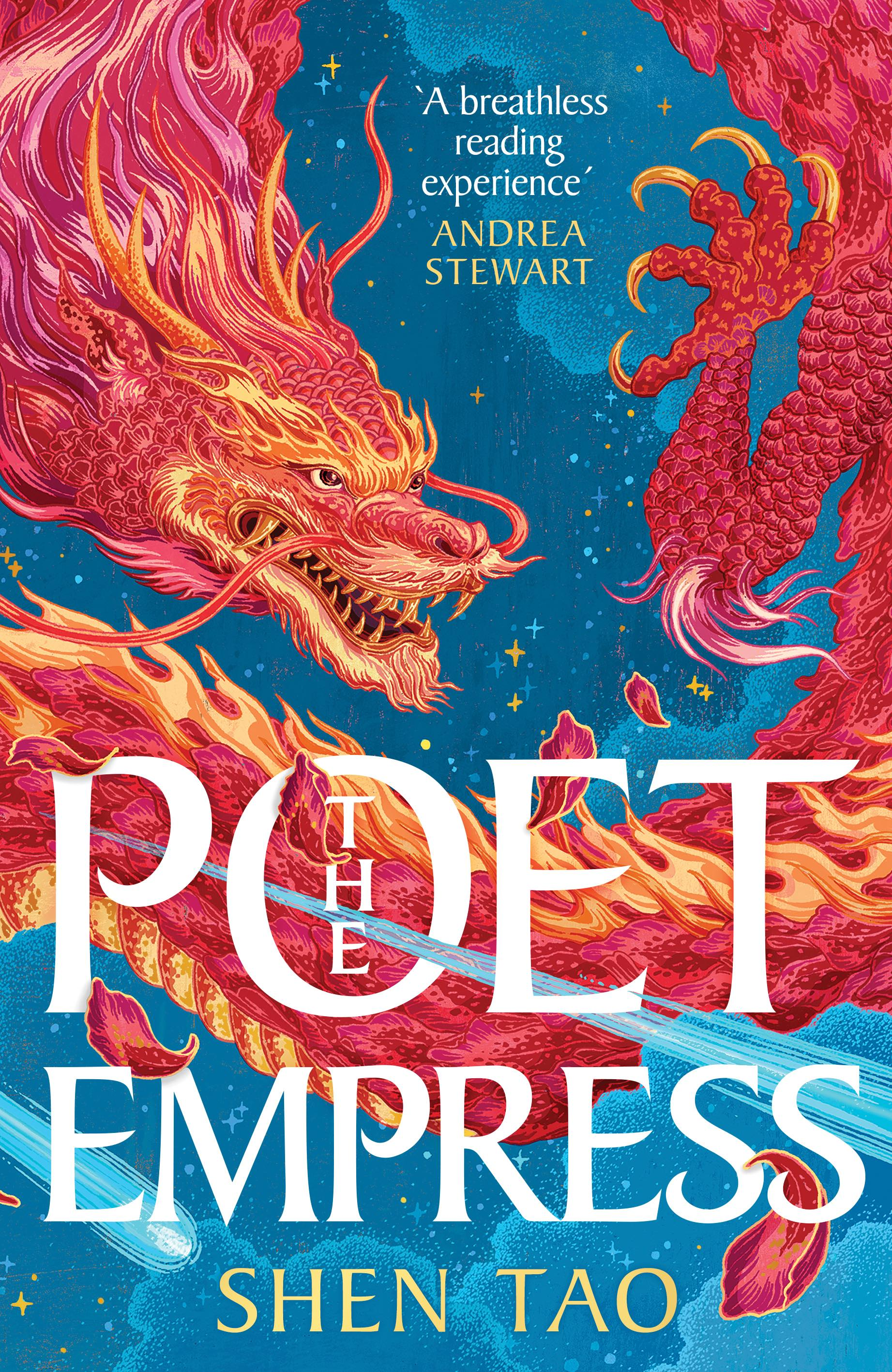
In the waning years of the Azalea Dynasty, famine ravages the land and poetry magic belongs only to the powerful. Wei Yin offers herself as concubine to the cruel heir to save her family, then becomes trapped at the center of palace intrigue and civil war. To survive, she must risk everything, become dangerous, and embrace the forbidden power of words.
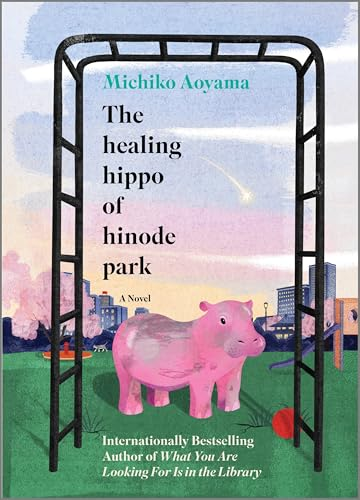
The Healing Hippo of Hinode Park follows five residents of the same Tokyo apartment building, each drawn to a worn old hippo ride in the nearby playground. Local legend holds that if you touch Kabahiko on the part of his body that corresponds to your own ailment, you will be healed. Quietly funny and gently moving, it is a story about the small, unexpected ways community and connection find us when we need them most.
The Bookbinder's Secret by A.D. Bell is a USA Today bestselling historical mystery set in turn-of-the-century Oxford. When apprentice bookbinder Lily Delaney discovers a hidden confession tucked inside the charred binding of a damaged book, she's pulled into a decades-old tangle of forbidden love, lost fortune, and possible murder. A mystery within a mystery, this atmospheric novel immerses readers in the tactile world of rare books and bookbinding while following a fiercely determined heroine who refuses to stay in her place.
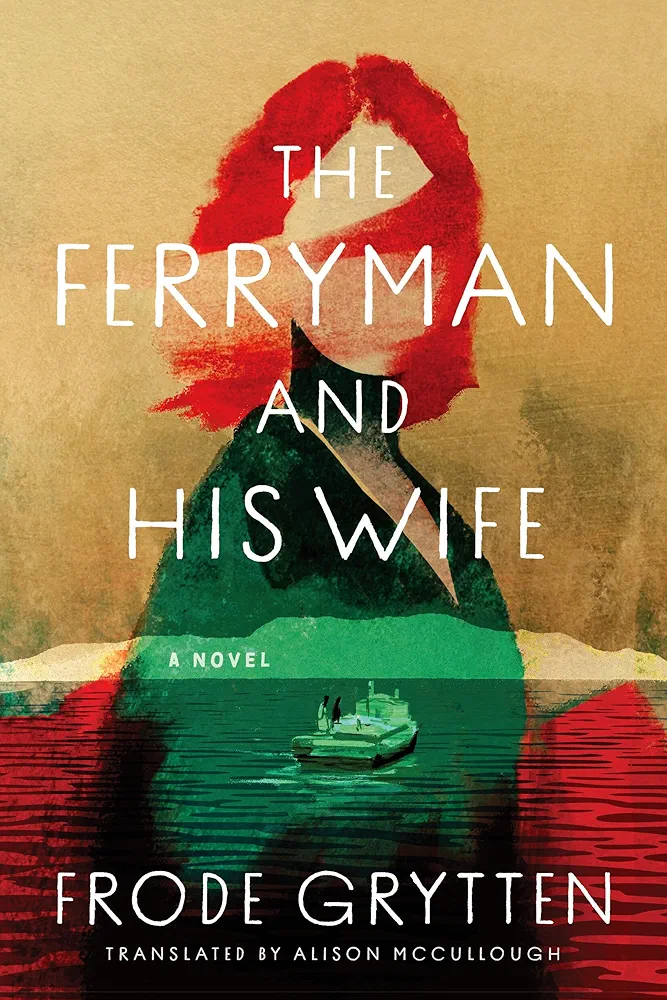
The Ferryman and His Wife follows Nils Vik, who wakes on November the 18th knowing it will be the day he dies. He follows his morning routine one last time, steps onto his beloved boat, and sets off along the fjord. As he travels his familiar route, the dead begin to board, former passengers emerging from the woods and the ferry stops, accompanied by his dog who has been gone for years. Nils waits for one passenger above all others: his late wife, Marta.
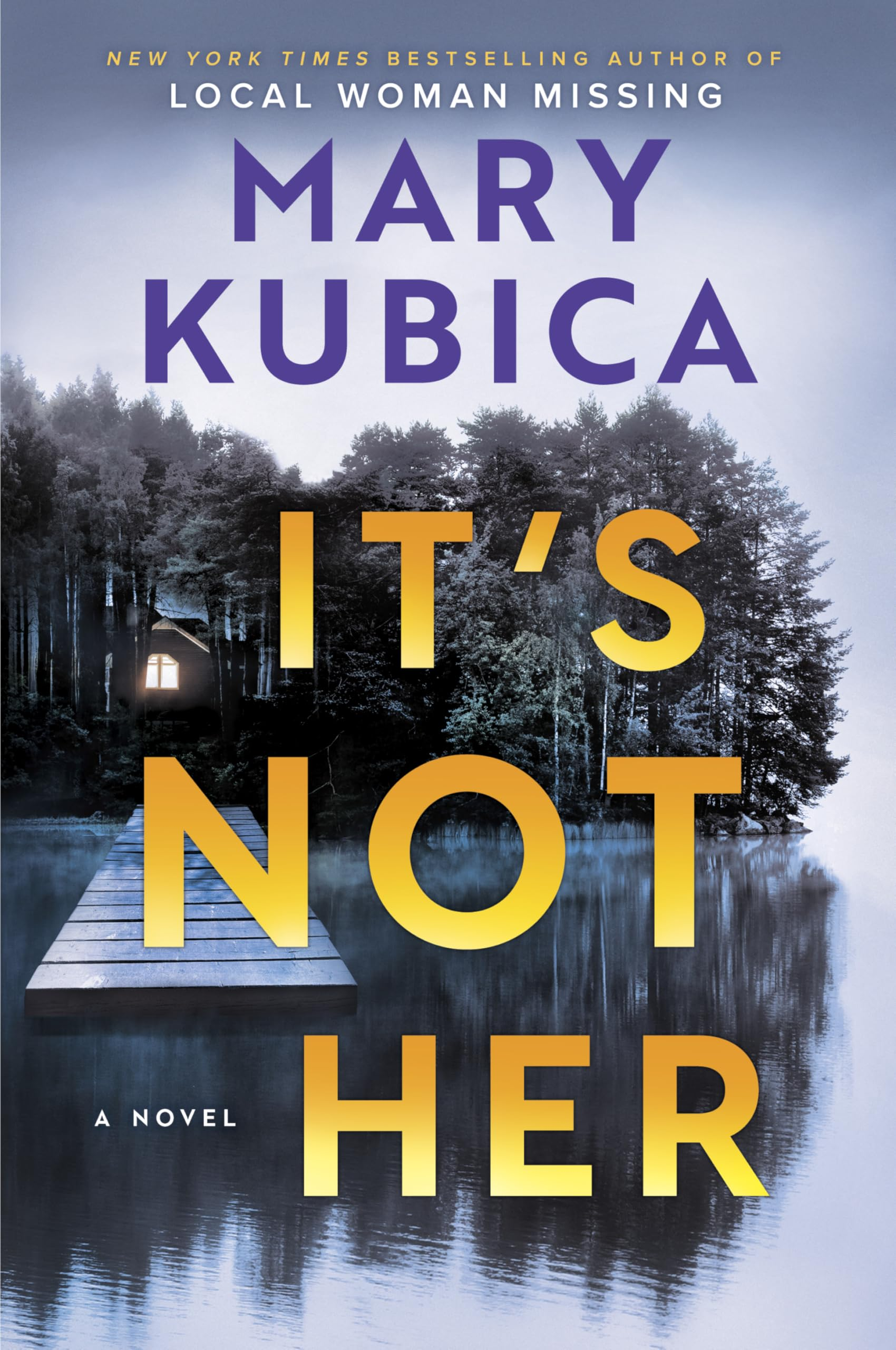
It's Not Her follows Courtney Gray, whose peaceful family vacation at a remote Wisconsin lake resort becomes a nightmare when she discovers her brother and sister-in-law brutally murdered in their cottage. Her teenage niece Reese is missing, leaving investigators and Courtney herself asking the same unsettling question: is Reese a victim, or the killer?
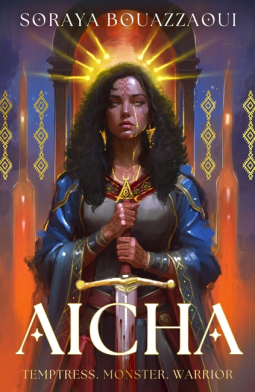
Aicha is a fierce, myth-infused historical fantasy that follows a young woman born into rebellion as she fights against colonial rule in Morocco. Aicha, the daughter of a freedom fighter, is driven by grief and rage after witnessing the suffering of her people under Portuguese occupation. As war escalates, she must confront both the external forces oppressing her homeland and the dark, supernatural power growing within her—one that could either liberate her people or destroy her completely.
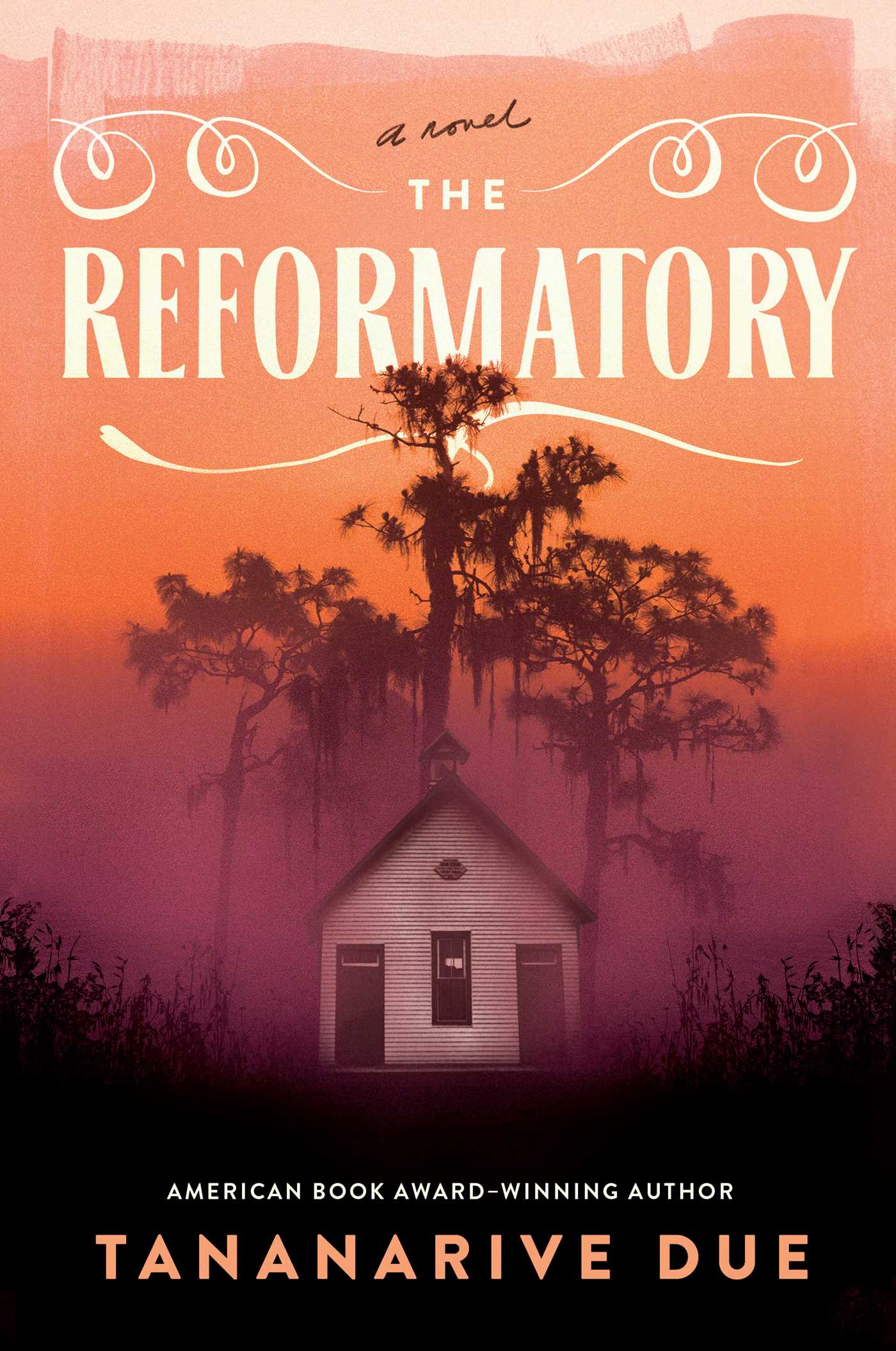
It's 1950 in Gracetown, Florida, and twelve-year-old Robbie Stephens Jr. has just been sentenced to six months at the Gracetown School for Boys — a reformatory — for kicking a white boy who made advances on his sister Gloria. Robbie has always been able to see ghosts, or haints, but inside these walls that gift becomes something darker: boys sent here have gone missing, and the haints are showing him why. While Robbie navigates the brutal rules of survival with the help of friends Redbone and Blue, Gloria is working every connection she has to get him out before it's too late. Inspired by the real history of the infamous Dozier School for Boys, this is a story Due pieced together from the life of a relative her family never spoke of.
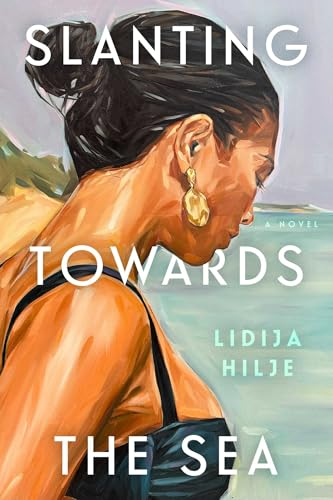
Slanting Towards the Sea spans twenty years in the life of Ivona, who divorced the love of her life, Vlaho, a decade ago and has returned to her childhood home to care for her ailing father. When she reconnects with Vlaho and is welcomed into his new family by his spirited wife Marina, a fragile and unlikely dynamic forms between the three. Then a new man enters Ivona's life, and everything shifts. Set against the Croatian coastline, it is a story of buried secrets, thwarted potential, and the enduring pull of first love.
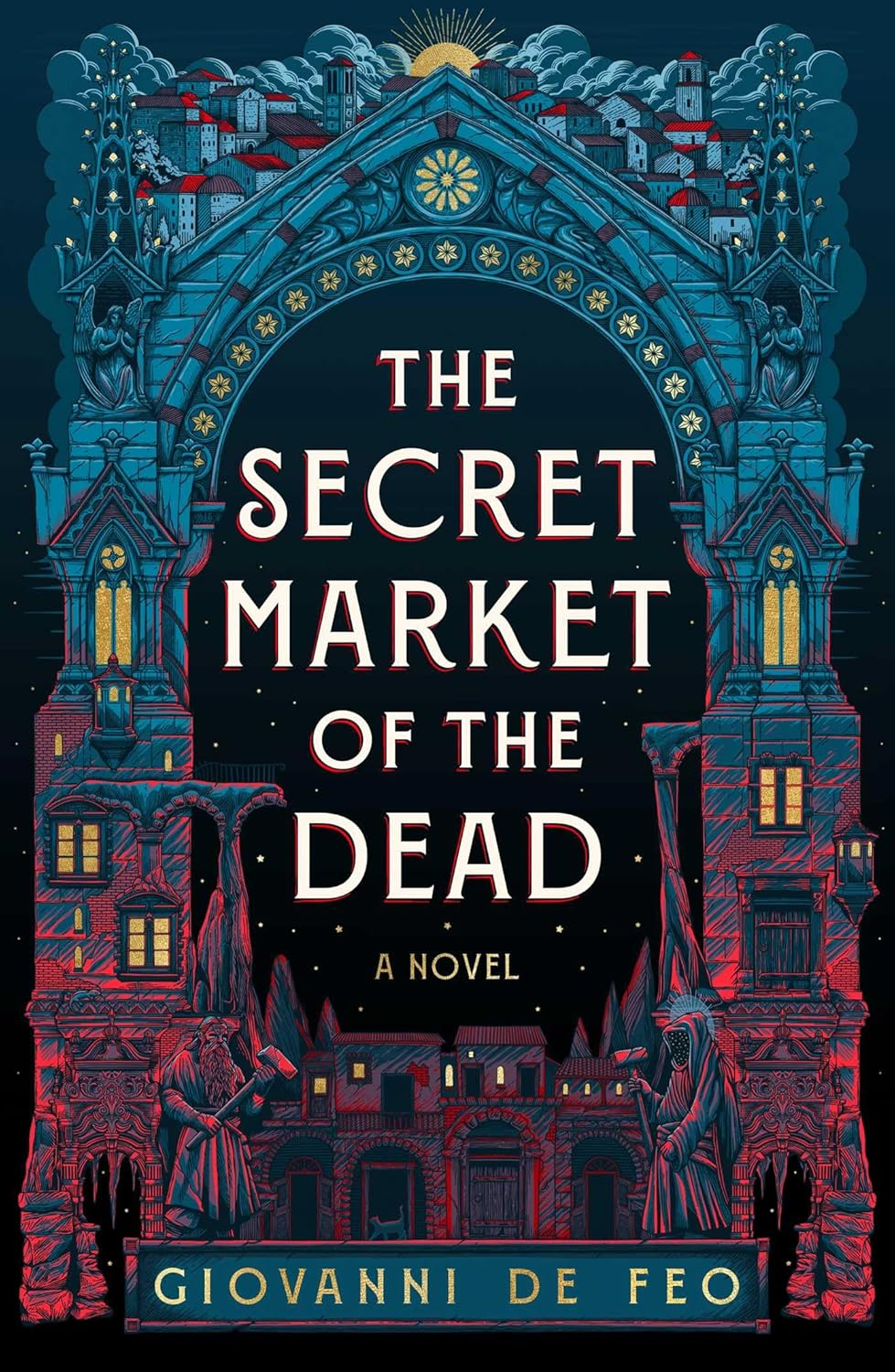
An Italian-inspired gothic historical fantasy debut in which a young woman competing with her twin brother to inherit the family forge finds her power in the nocturnal world that lurks beneath her own.
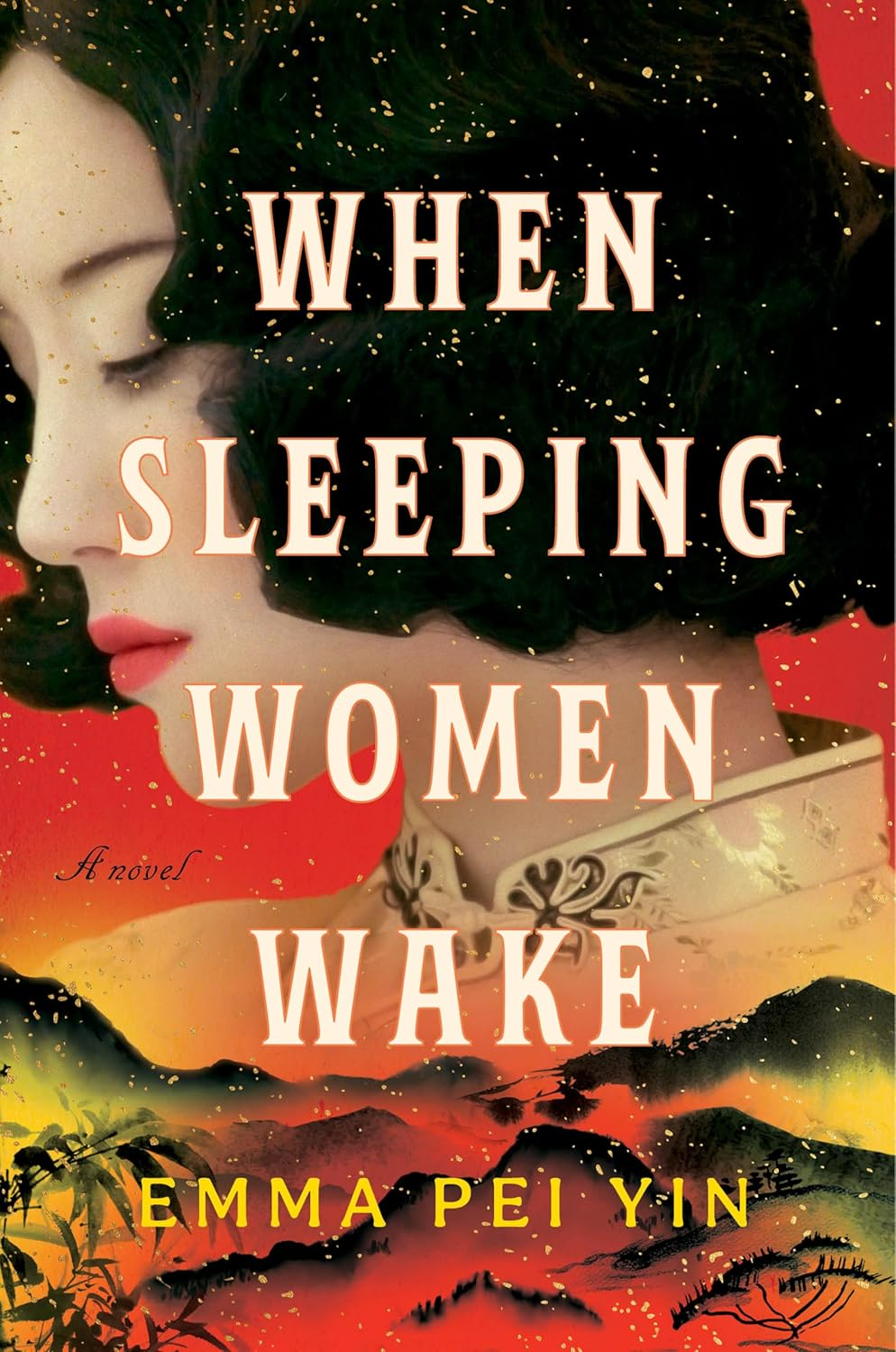
When Sleeping Women Wake follows three women, a mother, her daughter, and their maid, each forced onto a journey of survival during the Japanese occupation of Hong Kong in World War II. Separated by the ravages of war, Mingzhu, Qiang, and Biyu must each navigate their own fate amid escalating danger, holding onto the hope that they will find their way back to one another.
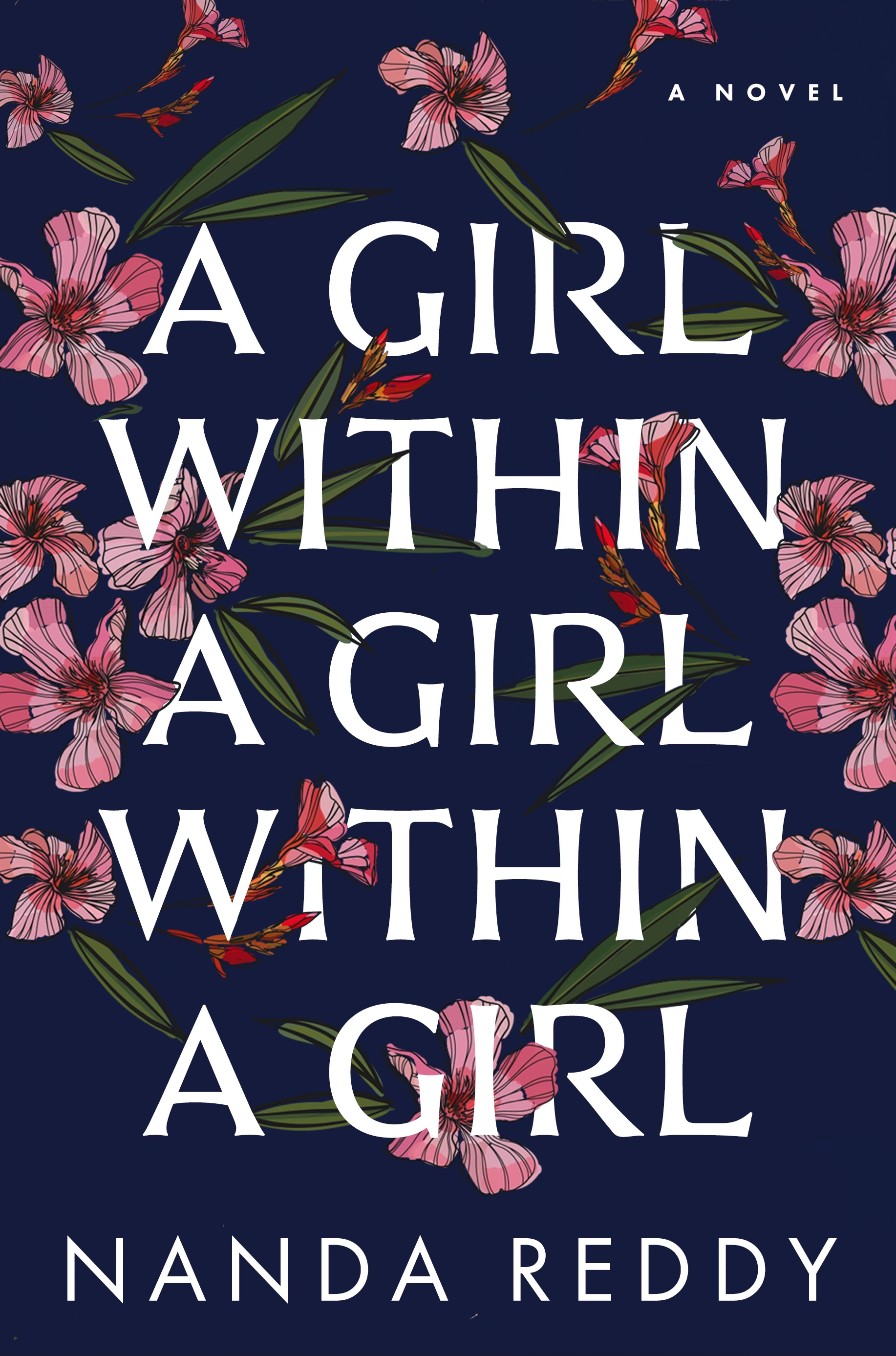
A Girl Within a Girl Within a Girl begins on an ordinary morning in an upscale Atlanta suburb, when Maya's husband drops a letter on the counter and asks a devastating question: who is Sunny? The letter, from a sister no one in Maya's life knows she has, sends her spiralling back to her childhood in 1980s Guyana and the traumatic journey to America that forced her to leave everything behind, including her name, her family, and every version of herself she had ever been. A dual-timeline story of identity, survival, and the secrets we bury to keep ourselves safe.
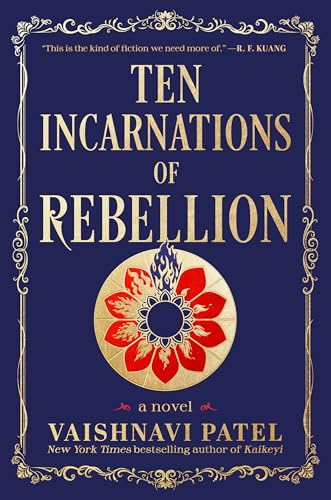
Ten Incarnations of Rebellion imagines an alternate 1960s India that was never liberated from British colonial rule. Kalki Divekar grows up in Kingston, a city the British built on the ashes of Bombay, driven by the memory of her executed father and determined to destroy the empire from the inside out. Told across ten moments in Kalki's life that mirror the Dashavatara, the ten avatars of Vishnu, it is a sweeping story of empowerment, friendship, sacrifice, and the true cost of freedom.
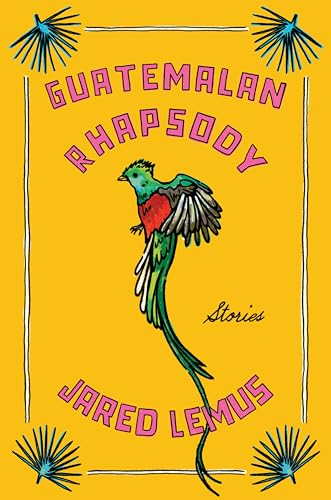
Guatemalan Rhapsody is a debut short story collection of twelve slice-of-life stories about men and boys living in Guatemala and its diaspora. Ranging from a custodian at an underfunded college to a medicine man living in a temple dedicated to San Simón, the patron saint of alcohol and cigarettes, the characters find themselves at defining moments in their lives, where sacrifices may be required of them, by them, or for them. Revealing the places where beauty, desperation, love, violence, and hope exist simultaneously, the collection illuminates the ties that both connect us and constrain us.
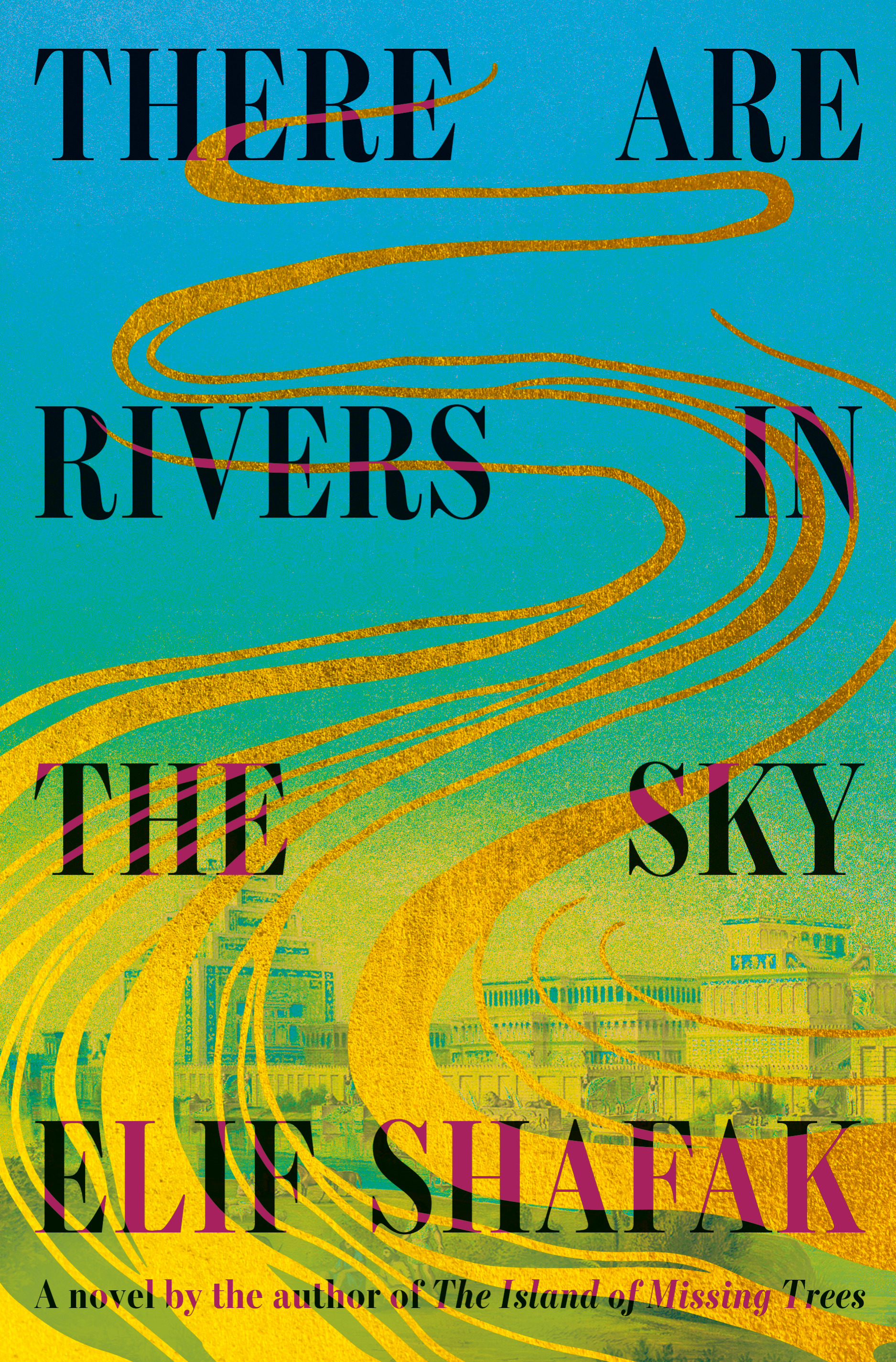
There Are Rivers in the Sky spans centuries and continents to tell the story of one lost poem, two great rivers, and three remarkable lives, all connected by a single drop of water. From a brilliant child born into poverty on the banks of Victorian London's Thames, to a young Yazidi girl fleeing war-torn lands by the River Tigris in 2014, to a heartbroken hydrologist living on a houseboat in 2018 London, the novel weaves together loss, memory, and the ancient Epic of Gilgamesh into something vast and quietly devastating.
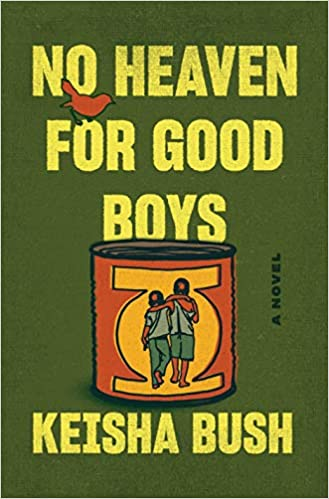
No Heaven for Good Boys follows six-year-old Ibrahimah and his older cousin Étienne, who are sent by their families to study the Koran under a respected teacher in Dakar, Senegal. Instead of the education their parents imagined, the boys, known as Talibé, are forced to beg on the streets to line their Marabout's pockets, navigating rival gangs, black-market organ traders, and escalating danger as they fight to find their way home. Drawn from real incidents, it is a story of survival, love, and the bonds that hold us together when everything else falls apart.
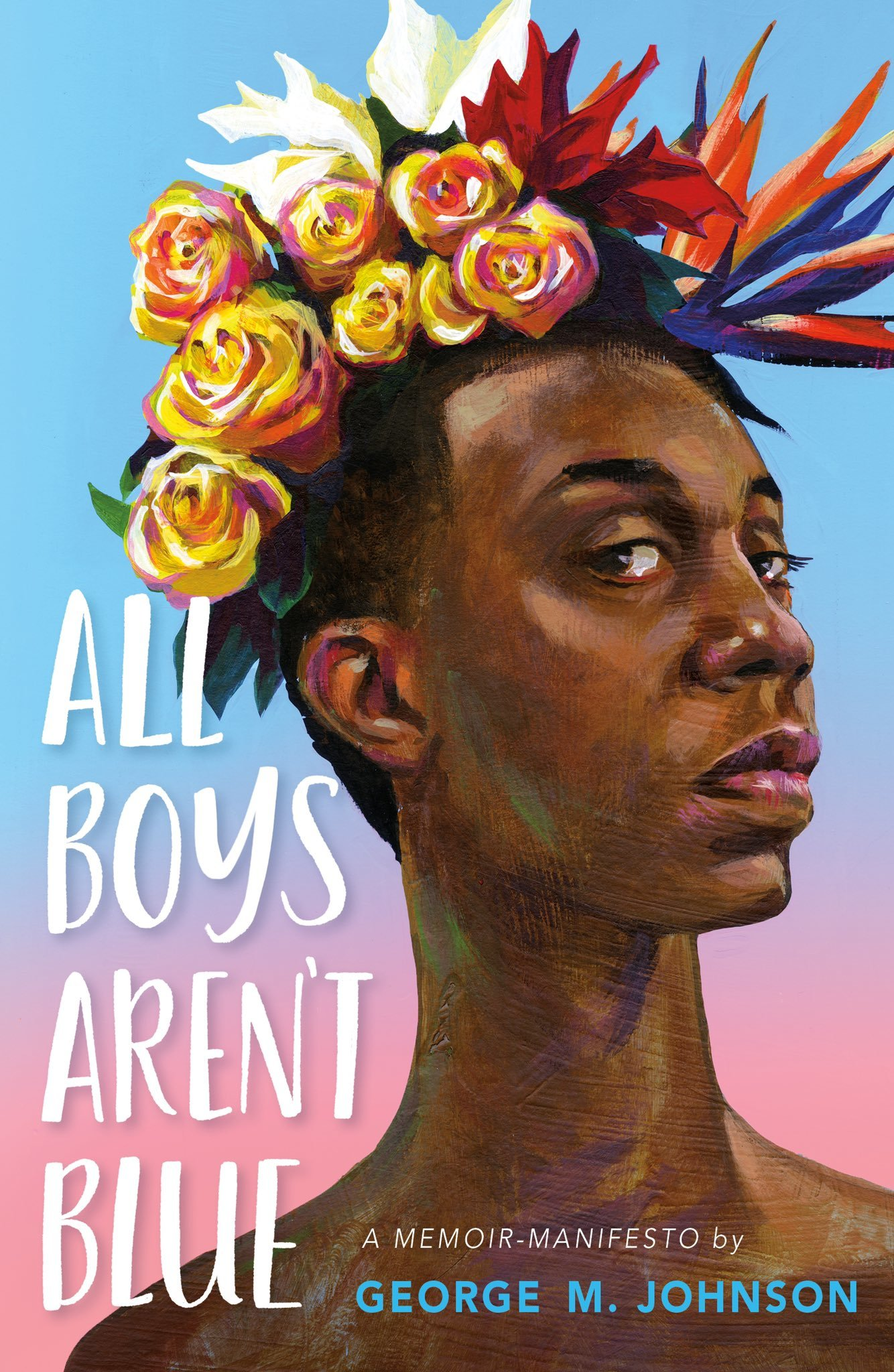
All Boys Aren't Blue is a young adult memoir-manifesto in which George M. Johnson traces their childhood, adolescence, and college years in New Jersey and Virginia through a series of personal essays. Weaving together experiences of bullying, family, sexual abuse, Black joy, and the journey toward queer identity, it is both a reassuring testimony for young queer people of color and a primer for anyone seeking to understand their experiences.
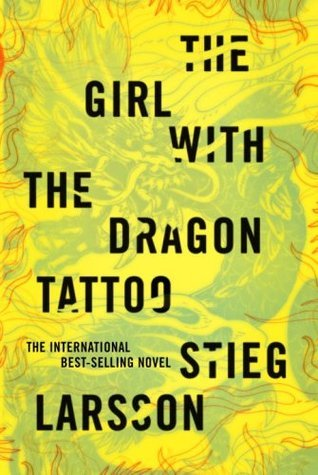
The Girl with the Dragon Tattoo follows disgraced journalist Mikael Blomkvist, who is hired by aging industrialist Henrik Vanger to investigate the decades-old disappearance of his great-niece Harriet from the family's isolated island estate. Aided by the brilliant, unconventional hacker Lisbeth Salander, Blomkvist uncovers a trail of corruption and violence that reaches deep into one of Sweden's most powerful dynasties. The first book in the Millennium series, it combines murder mystery, financial thriller, and family saga into one compulsively readable whole.
Minor Detail begins in the summer of 1949, one year after the war Palestinians mourn as the Nakba. Israeli soldiers murder a Bedouin encampment in the Negev desert, capture a young Palestinian woman, rape and kill her, and bury her in the sand. Decades later, a young woman in Ramallah stumbles across a brief account of this crime and becomes obsessed with uncovering its details, not least because it was committed exactly twenty-five years to the day before she was born. Told in two parts, in two radically different voices, the novel is a meditation on violence, memory, and what it costs to go looking for a truth that has been deliberately buried.
A piercing, intimate hybrid of protest diary and poetry from Belarus. Cimafiejeva documents the 2020 election aftermath alongside poems about Chernobyl, exile, and the act of writing as resistance.
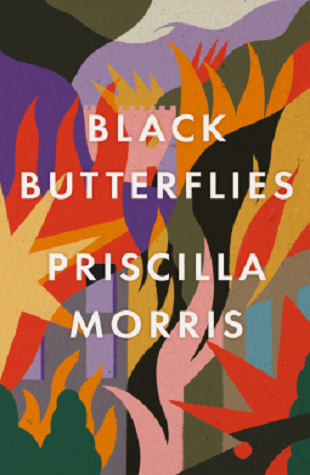
ABlack Butterflies tells the story of Zora Kočović, a 55-year-old landscape painter and teacher, during the first ten months of the Siege of Sarajevo in 1992. Separated from her husband and mother when violence breaks out, she must face brutal shelling and blockade alone, finding unexpected love, deep community, and a fierce determination to keep making art even as the city crumbles around her. The title comes from the charred fragments of books and paintings that floated over Sarajevo for days after the National Library was burned.
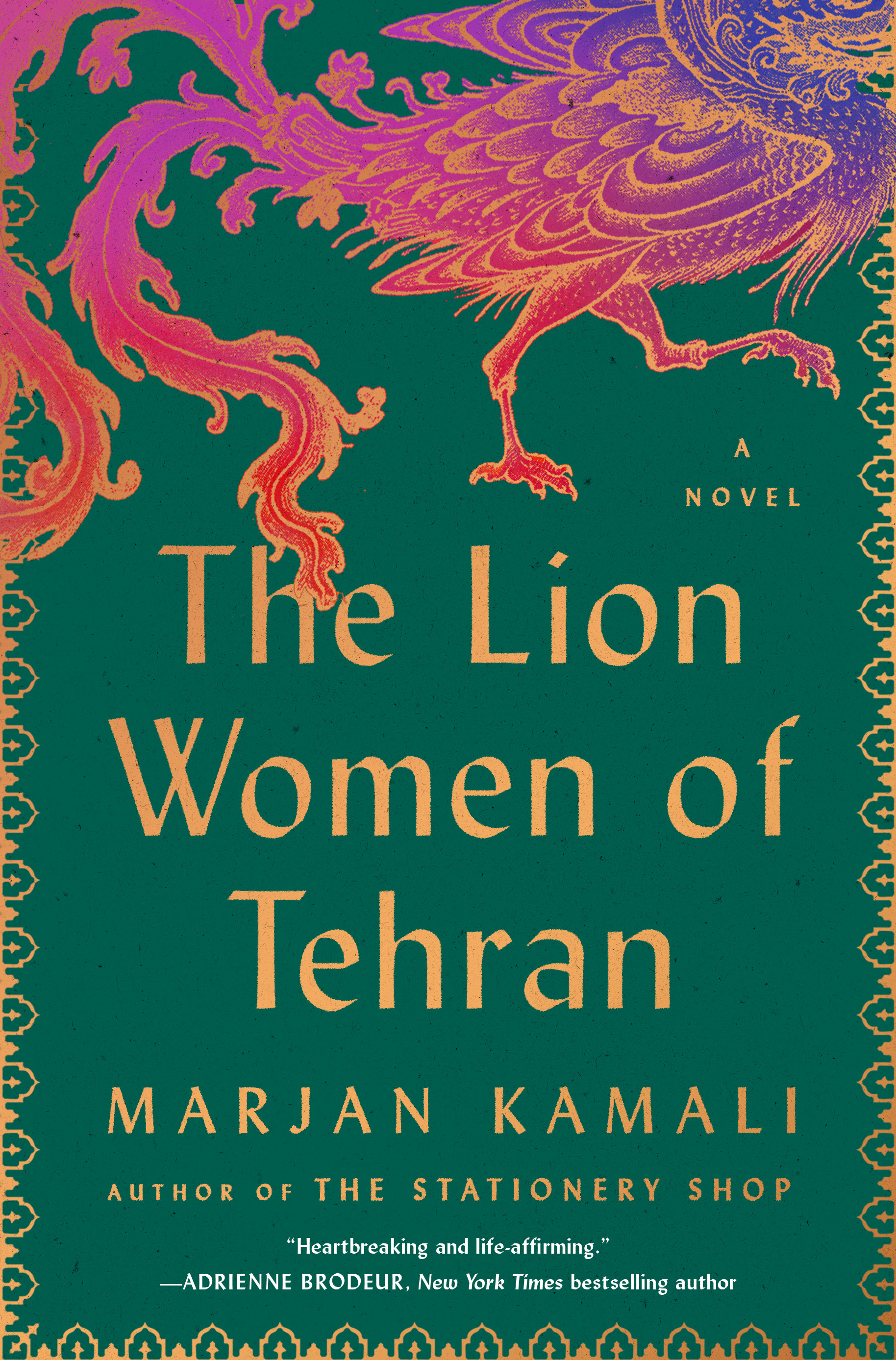
The Lion Women of Tehran follows Ellie and Homa, two girls from opposite sides of Tehran's class divide who meet on the first day of school in 1950s Iran and forge an unlikely, world-shaping friendship. As they come of age amid the political upheaval building toward the 1979 Iranian Revolution, one devastating betrayal will alter the course of both their lives forever.
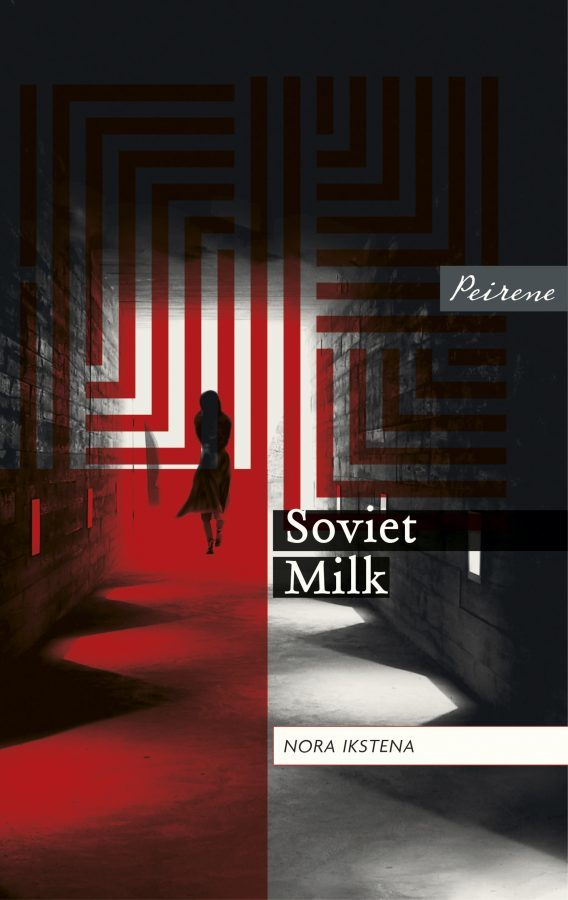
Soviet Milk is narrated alternately by an unnamed mother and daughter, spanning the years 1969 to 1989 in Soviet-occupied Latvia. The mother, a gifted gynaecologist, has her promising career destroyed by a single act of resistance and is banished to a rural clinic, where she and her young daughter struggle to build a life together under the suffocating weight of a system designed to grind them down.
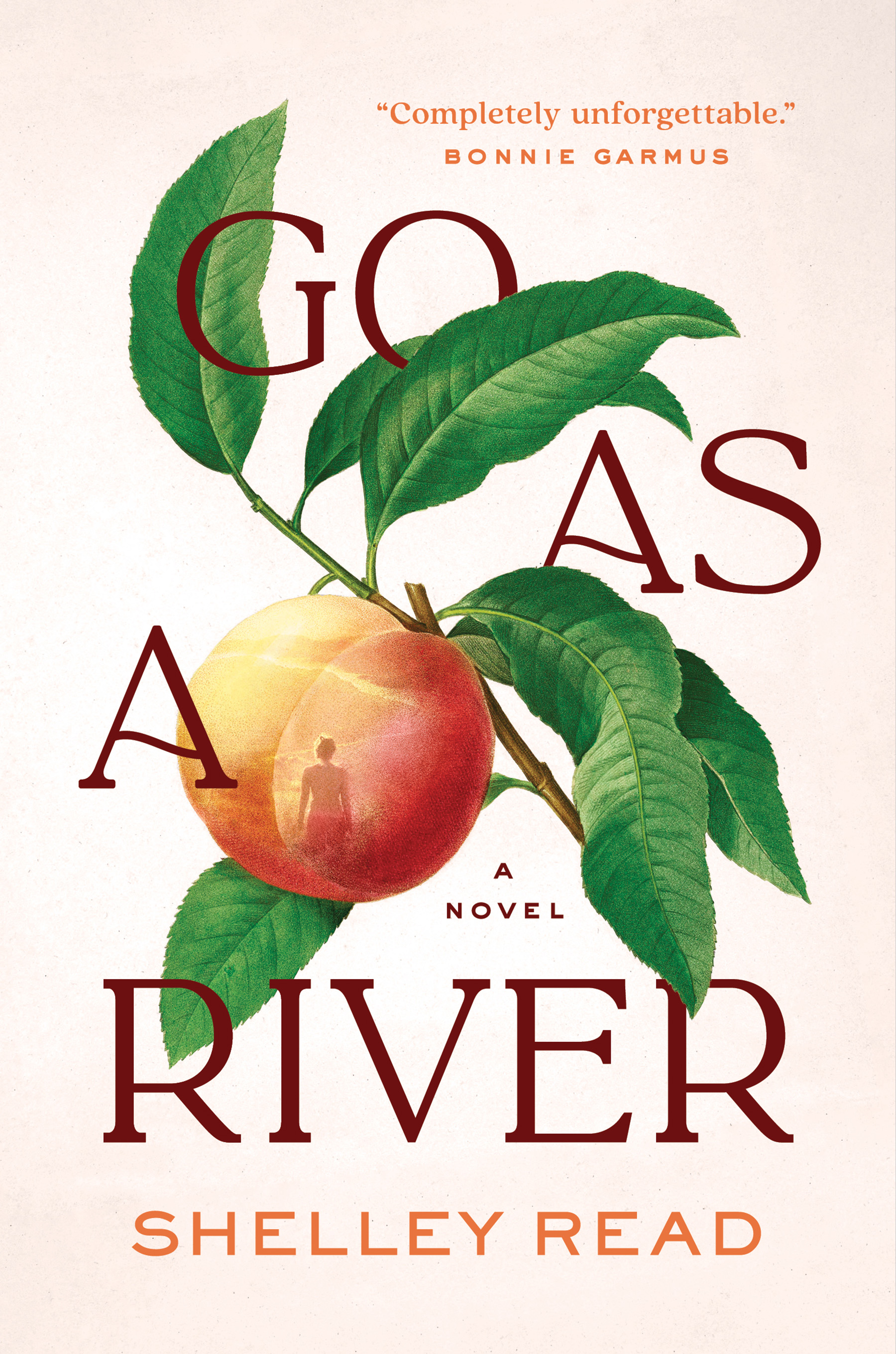
Seventeen-year-old Victoria Nash has spent years running her family's peach farm in rural Colorado after her mother's death — capable, dutiful, and largely unseen. Then a brief, tender love affair with a young Ute man sets her life on an entirely different course, one marked by loss, displacement, and a hard-won search for home. A story about what it means to lead your life like a river — gathering and flowing, finding a way forward even when the waters are dammed.
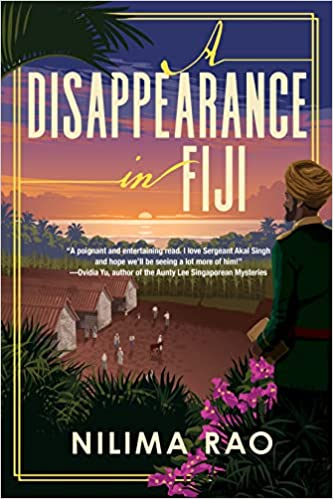
A Disappearance in Fiji is set in 1914, where 25-year-old Sergeant Akal Singh has been sent to colonial Fiji as punishment for a humiliating professional mistake in Hong Kong. Lonely and grumpy, he is reluctantly assigned to investigate the disappearance of an indentured Indian woman from a sugarcane plantation. What begins as a cursory case quickly pulls him into the brutal realities of indentured servitude, the racism of British colonisers, and the collision of cultures between white plantation owners, Indian workers, and native Fijians.
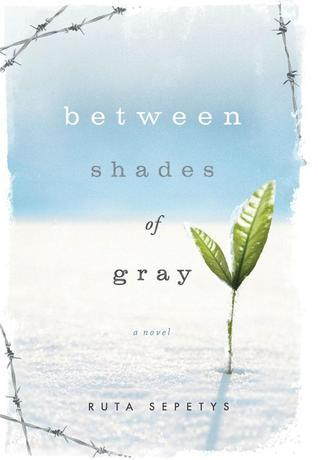
Between Shades of Gray begins with a knock at the door in the dead of night. Fifteen-year-old Lina Vilkas is hauled away by the Soviet secret police from her home in Lithuania and thrown into a cattle car with her mother and younger brother, bound for a labour camp in Siberia. Separated from her father, Lina secretly passes along clues in the form of drawings, hoping they will reach his prison camp. Spanning years and 6,500 miles, it is a story of survival, love, and the inextinguishable human will to endure.
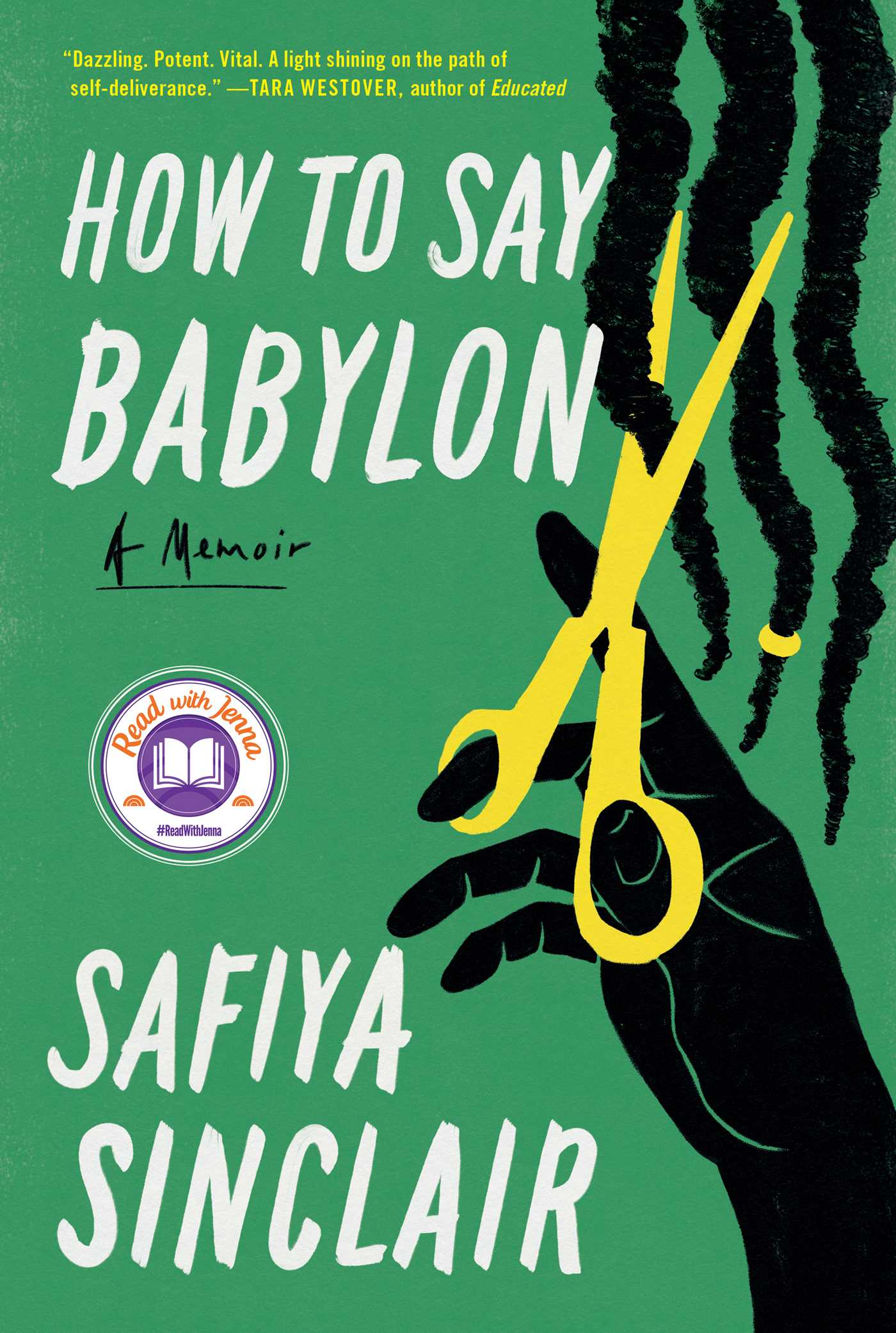
How to Say Babylon is Safiya Sinclair's memoir of growing up as the eldest daughter of a volatile reggae musician and militant Rastafari adherent in Jamaica, who became obsessed with keeping the corrupting influences of the Western world, which Rastas call Babylon, away from his family. He forbade almost everything, demanded his daughters' silence and obedience, and believed a woman's highest virtue was her compliance.
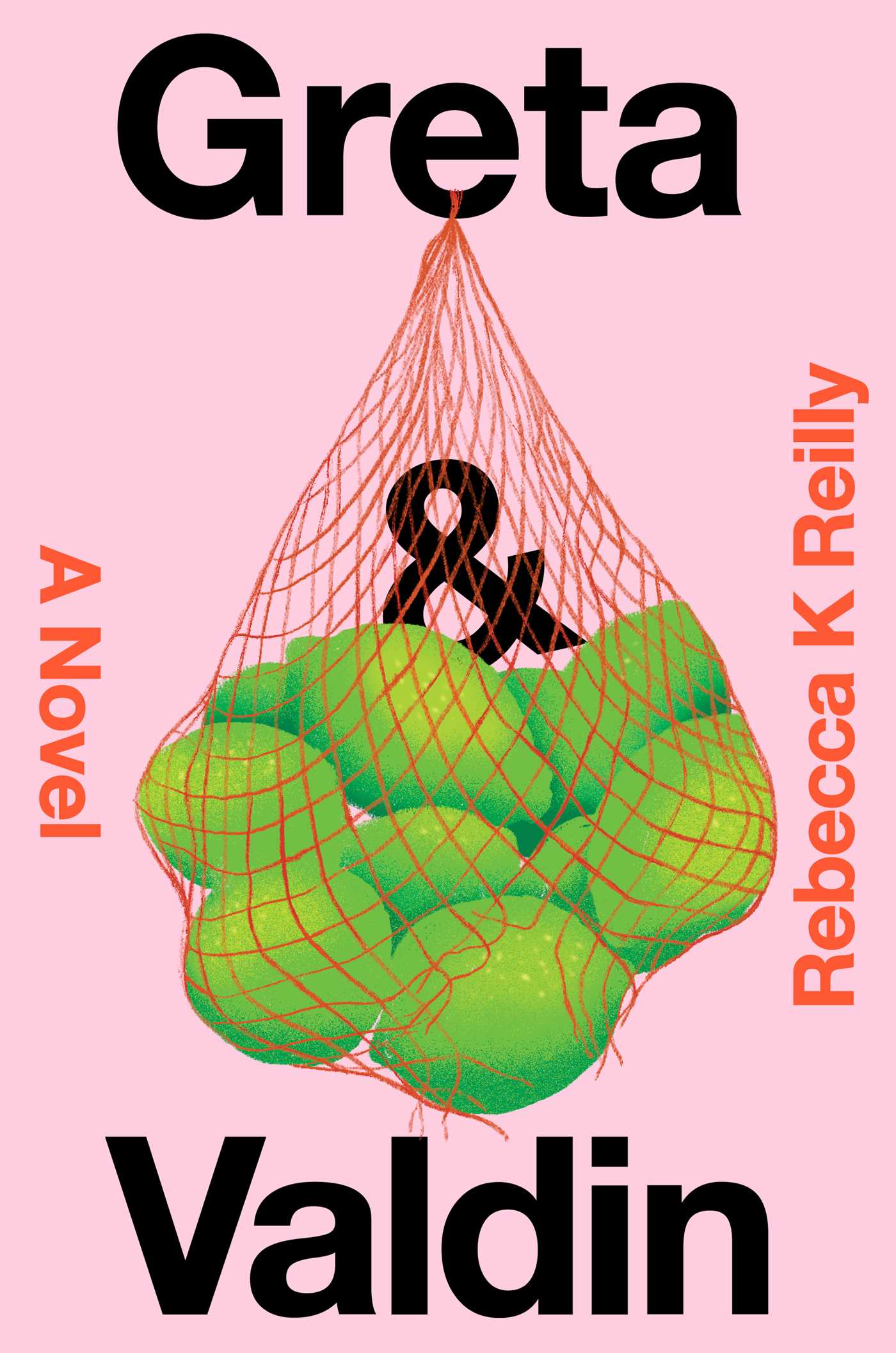
Greta & Valdin by Rebecca K. Reilly is a witty, heartfelt contemporary novel that follows queer siblings Greta and Valdin as they navigate love, identity, and the chaos of their large, multicultural family in Auckland.
Told in alternating perspectives, the story captures the messy reality of young adulthood—unrequited crushes, lingering exes, career struggles, and complicated family dynamics. Both humorous and deeply emotional, the novel explores themes of queerness, belonging, and the many ways people care for one another, all wrapped in sharp, lively prose
A haunting yet heartwarming fable set in a remote Armenian mountain village. Abgaryan weaves together the lives of elderly villagers with warmth, grief, and wonder — part family saga, part fairy tale.
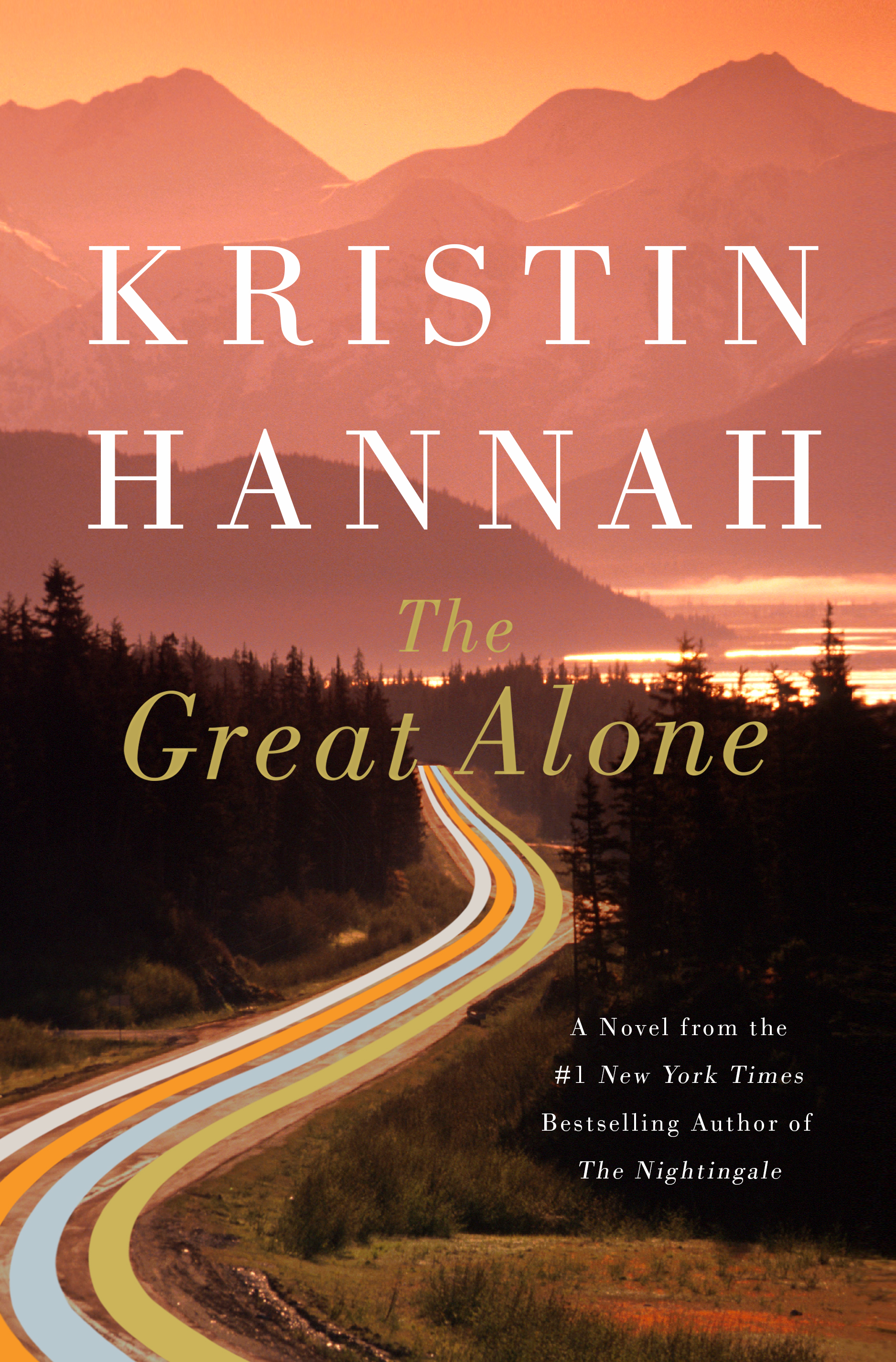
Set in 1974, The Great Alone tells the gripping story of the Allbright family as they leave behind the chaos of Seattle for a remote stretch of Alaska wilderness. Ernt Allbright, a Vietnam War POW, returns home a changed man—haunted by nightmares, flashbacks, and volatile anger. His wife Cora and their 13-year-old daughter Leni must navigate the harsh Alaskan environment while facing the darker storms brewing at home. It’s a tale of survival, resilience, and hope against both human and natural forces.
As Long as the Lemon Trees Grow follows Salama, an eighteen-year-old pharmacy student who finds herself volunteering at a hospital in the Syrian city of Homs, performing amputations and removing shrapnel as bombs fall around her. Desperate to get herself and her pregnant sister-in-law to safety before it is too late, she is also, impossibly, falling in love, while a figure only she can see embodies everything she fears most.
The Memory Keeper of Kyiv follows two timelines: in 1929, sixteen-year-old Katya watches Stalin's activists arrive in her Ukrainian village, the beginning of a systematic campaign of collectivisation and starvation that will steal millions of lives. Seventy years later, a young widow discovers her grandmother's journal, uncovering the long-buried secrets of her family's haunted past and finally understanding why her grandmother hoards food and is troubled by ghosts. Inspired by the Holodomor, the man-made famine the Russian government still denies.
River Sing Me Home follows Rachel, an enslaved woman on a Barbados plantation, who runs away after the 1834 Emancipation Act only to discover that freedom means little without knowing what has become of her five children, all sold to different plantations across the Caribbean. Driven by a mother's love that refuses to accept the unknown, she journeys across islands and through extraordinary danger to find each one. Inspired by the true stories of women who went searching for their stolen children after abolition.
Foster is set during a hot summer in rural Ireland. A young girl is left by her father with relatives on a farm in County Wexford, not knowing when or if she will be brought home again. In the Kinsellas' house she finds a warmth and tenderness she has not known before, and slowly begins to blossom. But there is something unspoken in this quiet household, and the summer must soon come to an end.
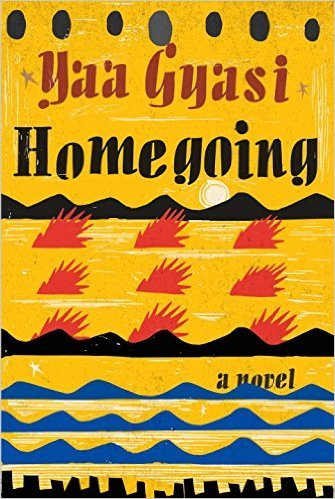
Homegoing begins in 18th-century Ghana with two half-sisters who never know each other. One marries a British colonial governor and lives in comfort in Cape Coast Castle; the other is imprisoned in the very same castle's dungeons and sold into slavery in America. From there, the novel follows their descendants across eight generations, from the Gold Coast to Mississippi plantations, from the American Civil War to Jazz Age Harlem, illuminating slavery's long and troubled legacy on both sides of the Atlantic.
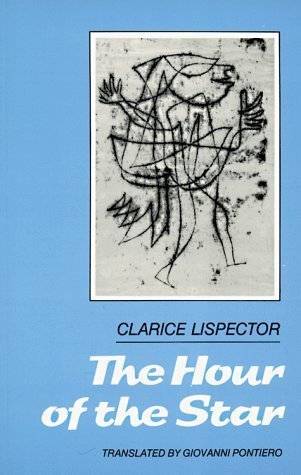
The Hour of the Star is narrated by the cosmopolitan Rodrigo S.M., whose story concerns Macabéa, one of life's unfortunates. Living in the slums of Rio and eking out a poor living as a typist, Macabéa loves movies, Coca-Cola, and her rat of a boyfriend; she would like to be like Marilyn Monroe, but she is ugly, underfed, sickly, and unloved. Rodrigo recoils from her wretchedness, and yet cannot avoid the realisation that for all her outward misery, Macabéa is inwardly free.
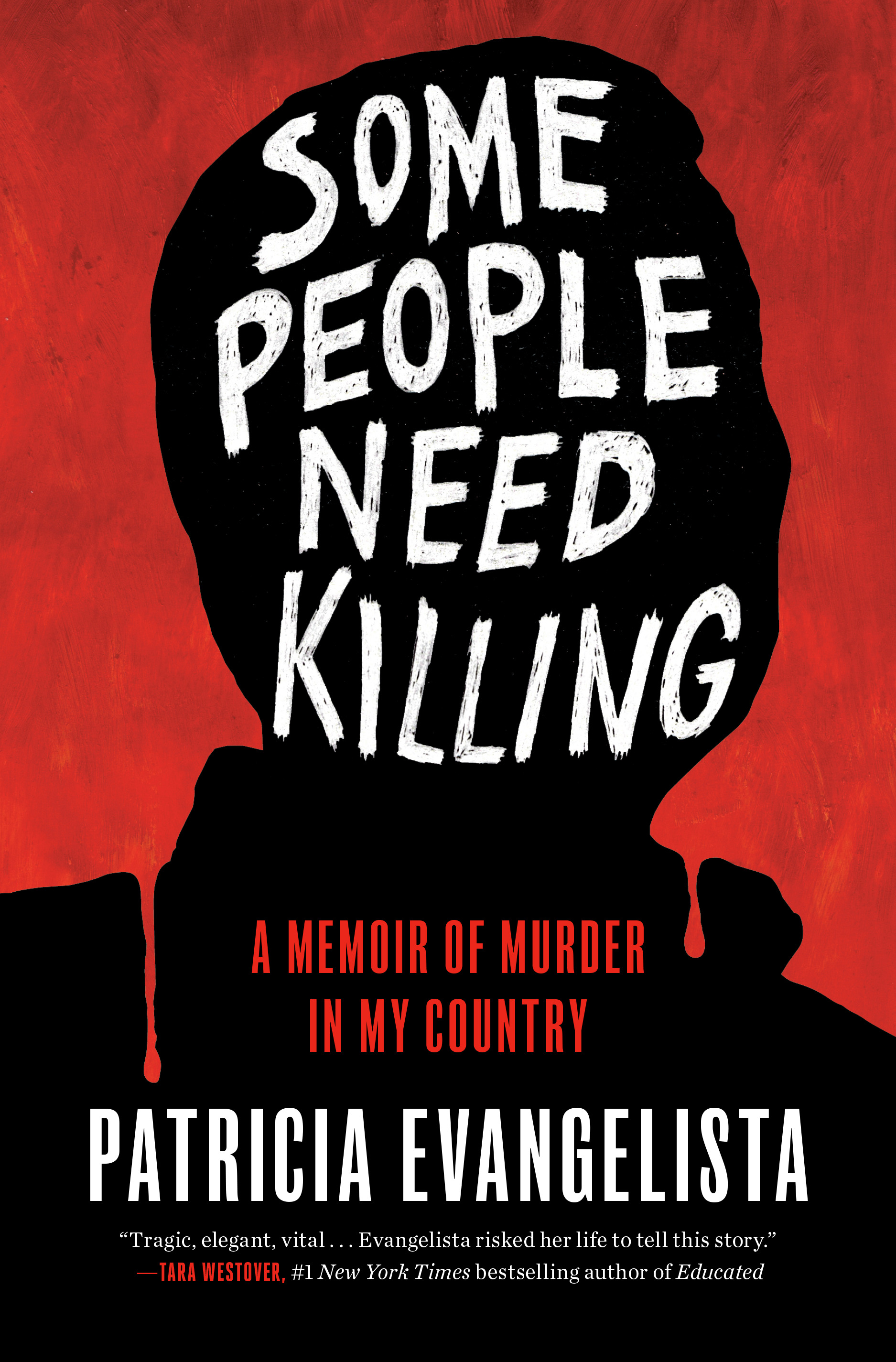
Some People Need Killing is Patricia Evangelista's meticulously reported and deeply human chronicle of the Philippines' drug war and Rodrigo Duterte's assault on the country's struggling democracy. For six years, Evangelista immersed herself in the world of killers and survivors, documenting the thousands of Filipinos killed by police and vigilantes in the name of a war on drugs that left somewhere between 8,000 and 30,000 dead. The book's title comes from the words of a vigilante who described his actions as making his neighborhood safer, words that captured the psychological accommodation an entire nation had been asked to make.
A beautiful debut collection of short stories with a dreamlike quality. Kincaid's lyrical, precise prose explores mother-daughter relationships and Caribbean identity with breathtaking economy.
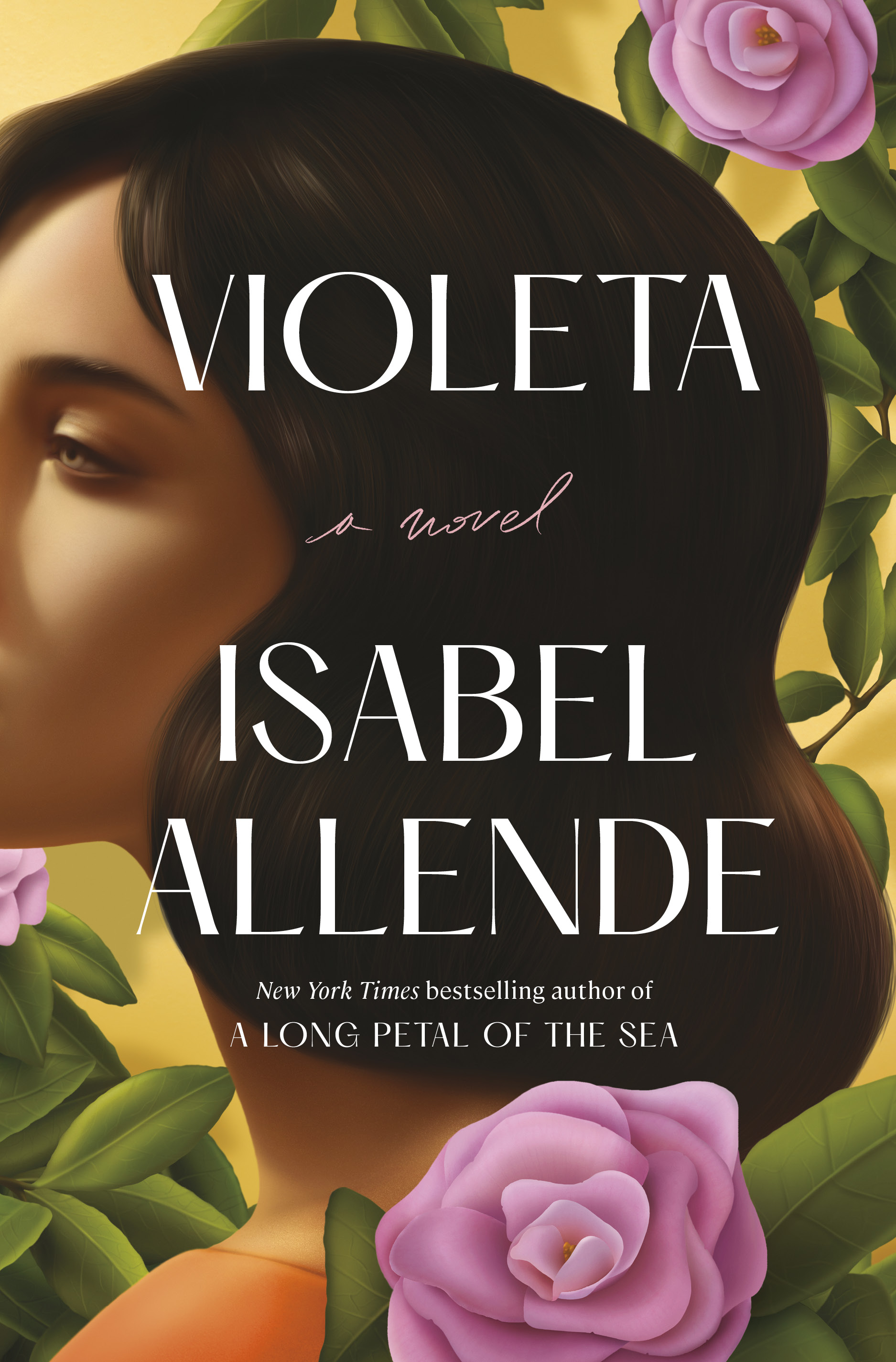
Violeta tells the epic story of Violeta Del Valle, born on a stormy day in 1920 as the Spanish flu reaches the shores of her South American homeland, and dying a century later during the COVID-19 pandemic. Structured as a long letter to her beloved grandson, the novel follows Violeta through the Great Depression, the rise and fall of dictators, the fight for women's rights, passionate and destructive loves, and the upheavals of a continent in constant transformation. Inspired by the life of Allende's own mother.
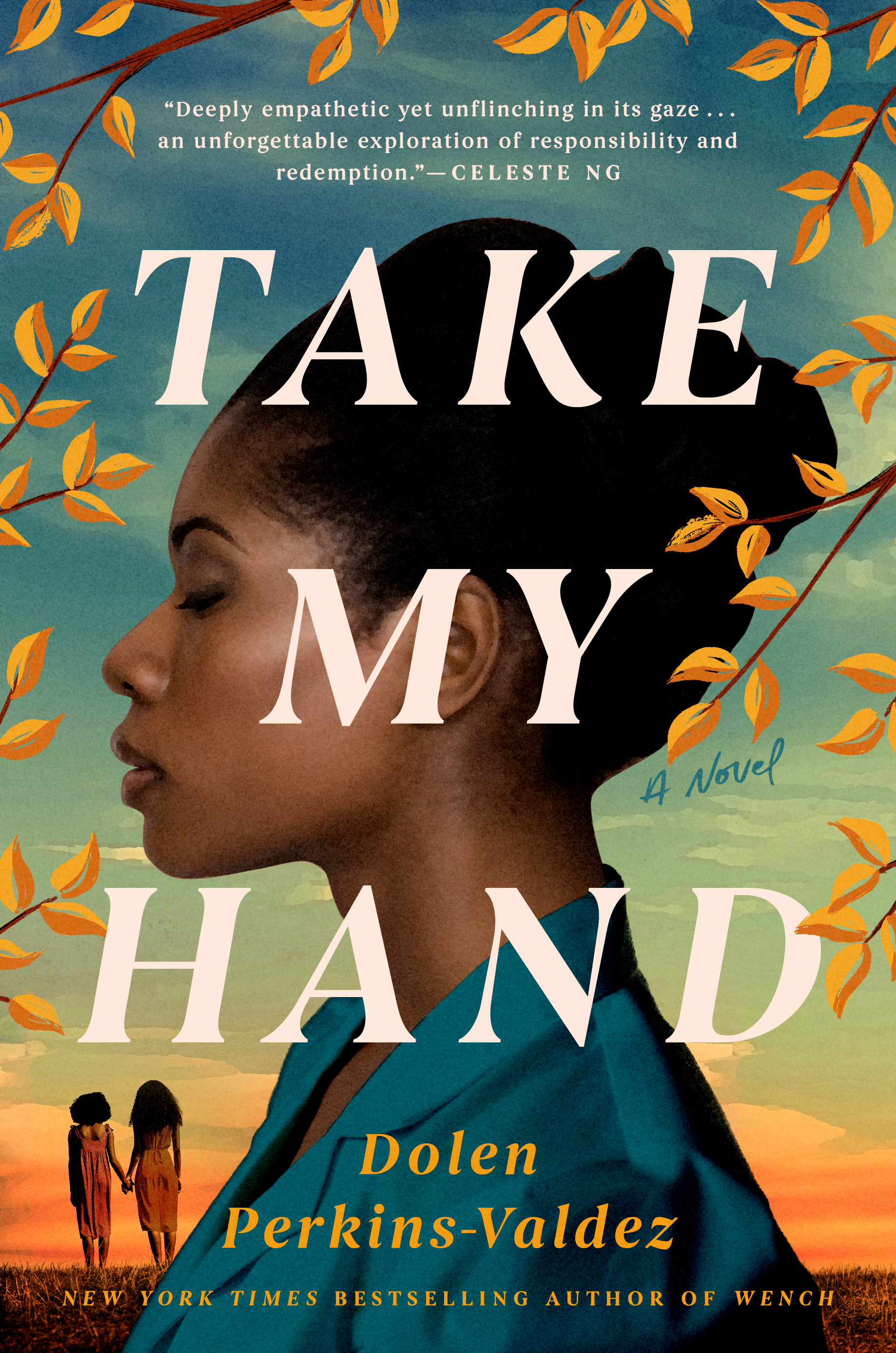
Set in Montgomery in 1973, Take My Hand follows Civil Townsend, a young Black nurse determined to make a difference in her community. Fresh out of nursing school, Civil begins working at a family planning clinic, believing she’ll empower women with choices about their bodies and futures.
But her expectations are quickly shattered when she is assigned to two young sisters—just 11 and 13 years old—who are being placed on birth control not because of medical need, but because they are poor, Black, and seen as burdens on the system. As Civil grows deeply attached to India and Erica, she becomes entangled in a devastating situation that will shape the course of her life for decades.
Bolla begins in April 1995 in Pristina, Kosovo, where Arsim, a closeted Albanian literature student in a loveless marriage, meets Miloš, a Serbian medical student, in a café. Before the day is out, everything has changed. Their unlikely affair is derailed by the outbreak of the Balkan wars, which sends Arsim into exile and Miloš to the front, where he is broken beyond repair. Years later, deported back to Pristina after a spell in prison, Arsim attempts to find Miloš again. Woven through their alternating narratives is a recreated legend of the bolla, a demonic serpent from Albanian folklore, a creature that each year is given one day of freedom before being swallowed back into darkness.
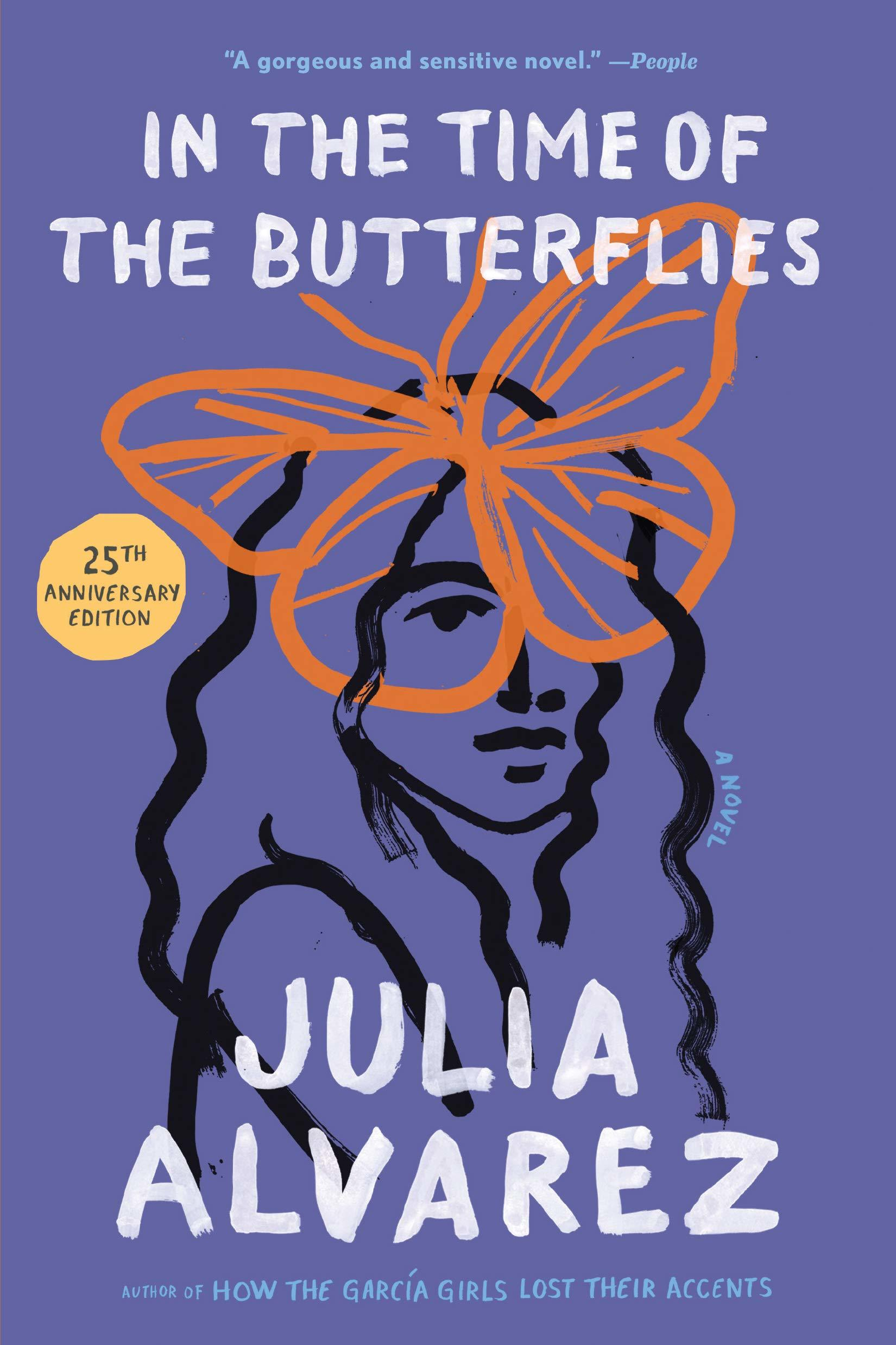
In the Time of the Butterflies opens on November 25, 1960, when three sisters are found near their wrecked Jeep at the bottom of a cliff on the north coast of the Dominican Republic. The official newspaper calls it an accident. It does not mention that a fourth sister survived, nor that all four were among the leading opponents of General Rafael Trujillo's dictatorship. In this novel, the voices of all four sisters, Minerva, Patria, María Teresa, and the survivor Dedé, speak across the decades to tell their own stories, from secret crushes to gunrunning, and to describe the everyday horror of life under Trujillo's rule.
I Know Why the Caged Bird Sings is a 1969 autobiography tracing the early years of Maya Angelou's life, from age three through sixteen. A coming-of-age story set against the backdrop of racial segregation in the American South, it follows young Maya as she navigates abandonment, trauma, racism, and an enduring love of literature that ultimately helps her find her voice.
How We Disappeared weaves together two timelines across sixty years. In 1942, seventeen-year-old Wang Di is taken from her village during the Japanese occupation of Singapore and forced into sexual slavery as a so-called 'comfort woman'. In the year 2000, twelve-year-old Kevin overhears a mumbled confession from his ailing grandmother and sets out to uncover the truth, setting in motion a chain of events he never could have foreseen.
A completely haunting collection of stories by Afghan women — their hopes, dreams, regrets, resentments, loves, and defiances. Powerful, life-changing, and unforgettable.
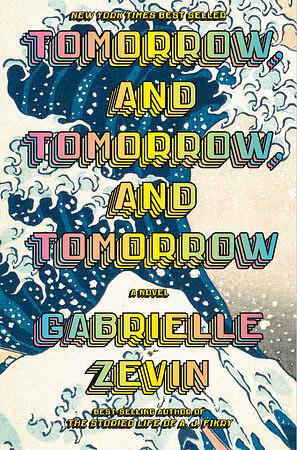
A sweeping, decades-long story of creativity, collaboration, and the complicated love that exists between two people who never quite manage to be in the same place at the same time. Sam and Sadie meet as children bonded by video games, lose each other, and find their way back through the making of art. But success, resentment, and the weight of being misunderstood have a way of pulling people apart even when they're standing in the same room.
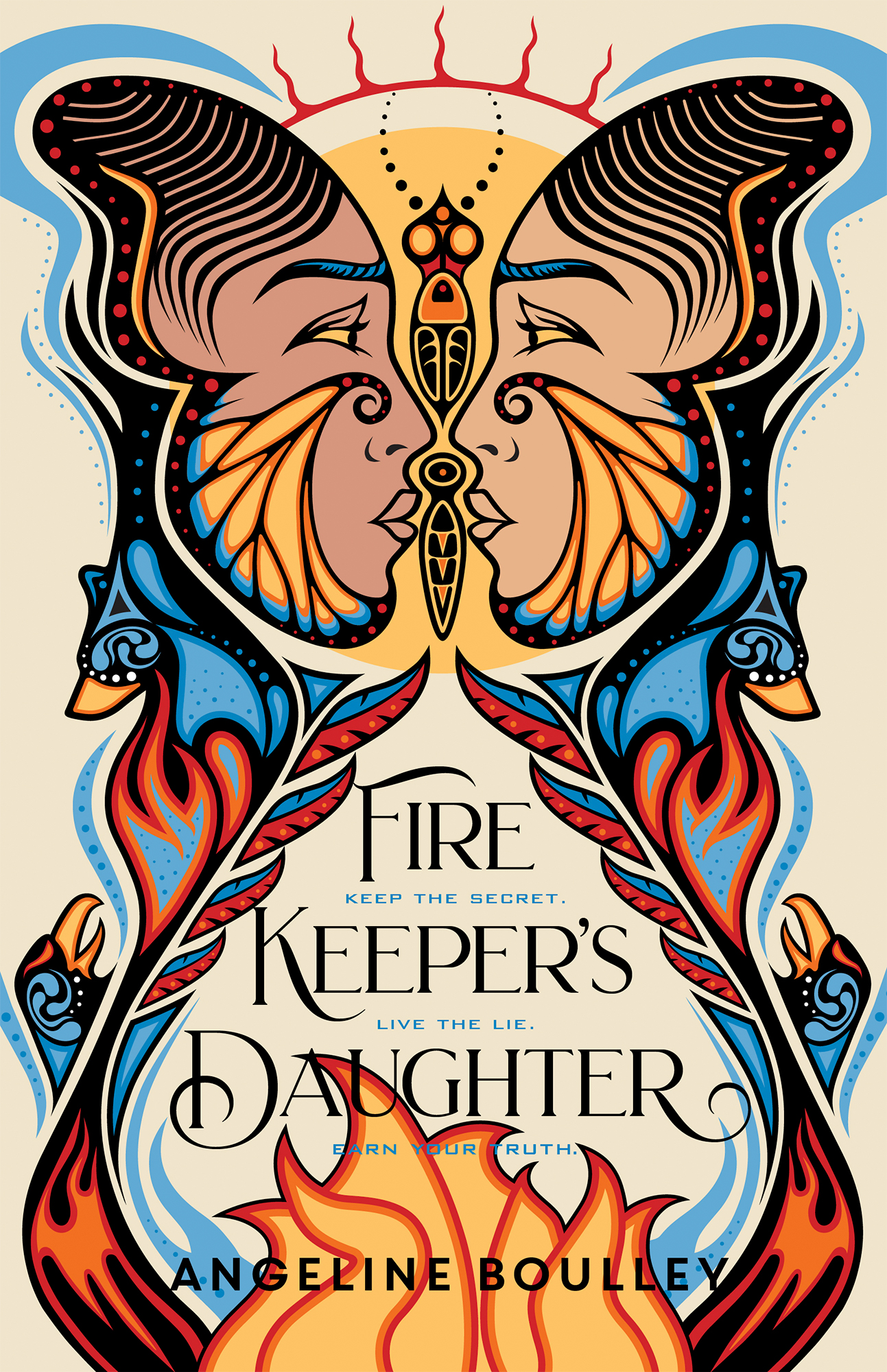
Firekeeper's Daughter follows eighteen-year-old Daunis Fontaine, who has never quite fit in, both in her hometown and on the nearby Ojibwe reservation. When family tragedy derails her college plans and she witnesses a shocking murder, she is pulled into an FBI investigation of a lethal new drug, going undercover and drawing on her knowledge of both chemistry and Ojibwe traditional medicine to protect her community.
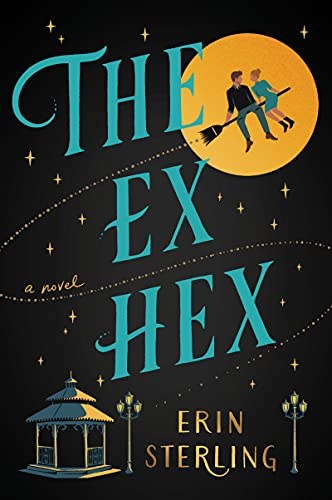
The Ex Hex is a witchy paranormal rom-com set in the small town of Graves Glen, Georgia. When witch Vivienne Jones drunkenly cursed her ex-boyfriend nine years ago, she assumed nothing would come of it. Then Rhys Penhallow strolls back into town and the chaos begins: a possessed ghost, a talking cat, and calamity at every turn, all while the two of them try very hard not to fall for each other again.
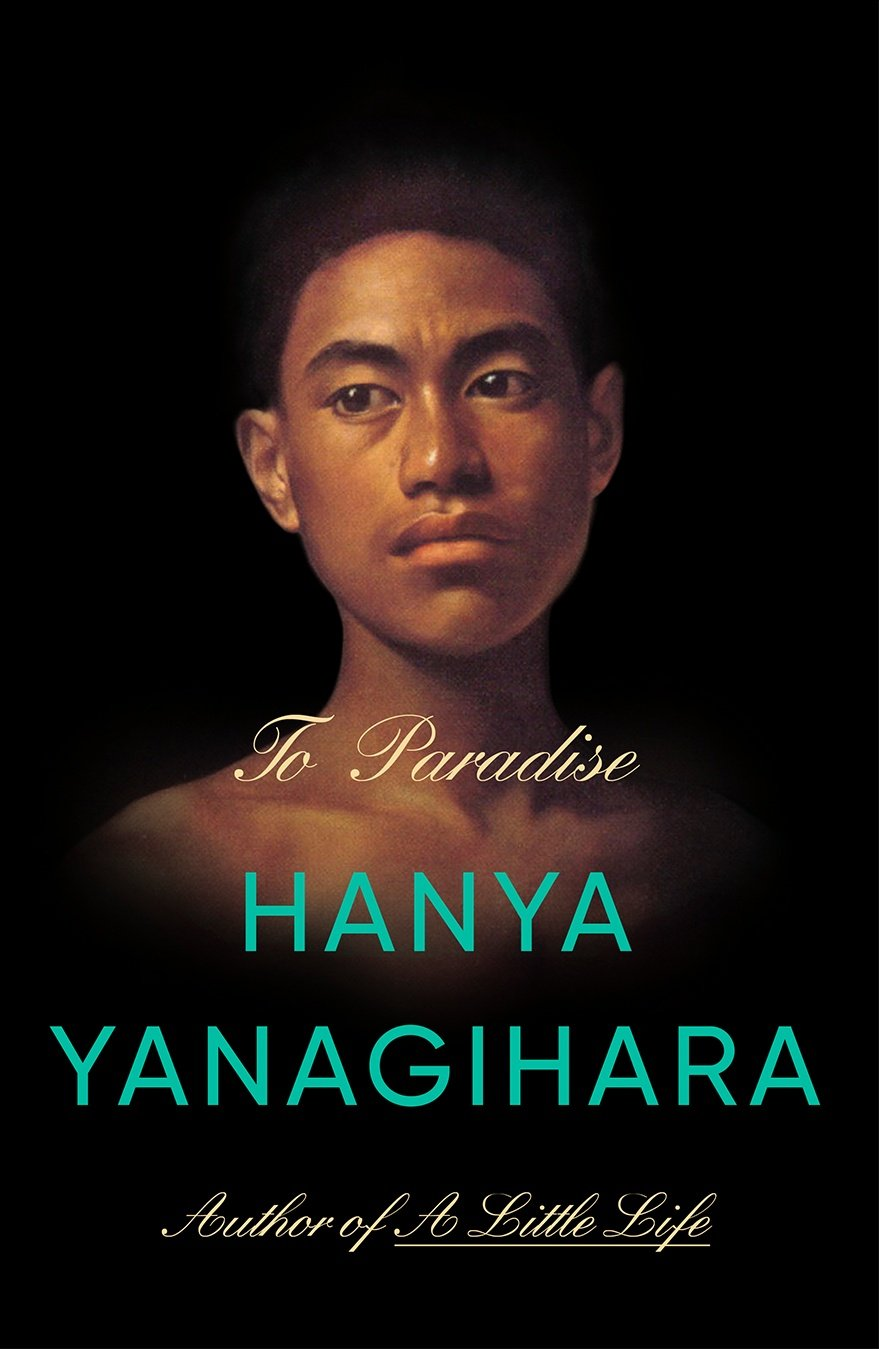
To Paradise is a sweeping novel spanning three centuries and three alternate versions of America, tracing stories of lovers, family, and the elusive promise of utopia across 1893, 1993, and 2093. Each section is set in the same Washington Square townhouse in New York, and each asks the same urgent questions about freedom, love, illness, and what it costs to protect the people we care for.