
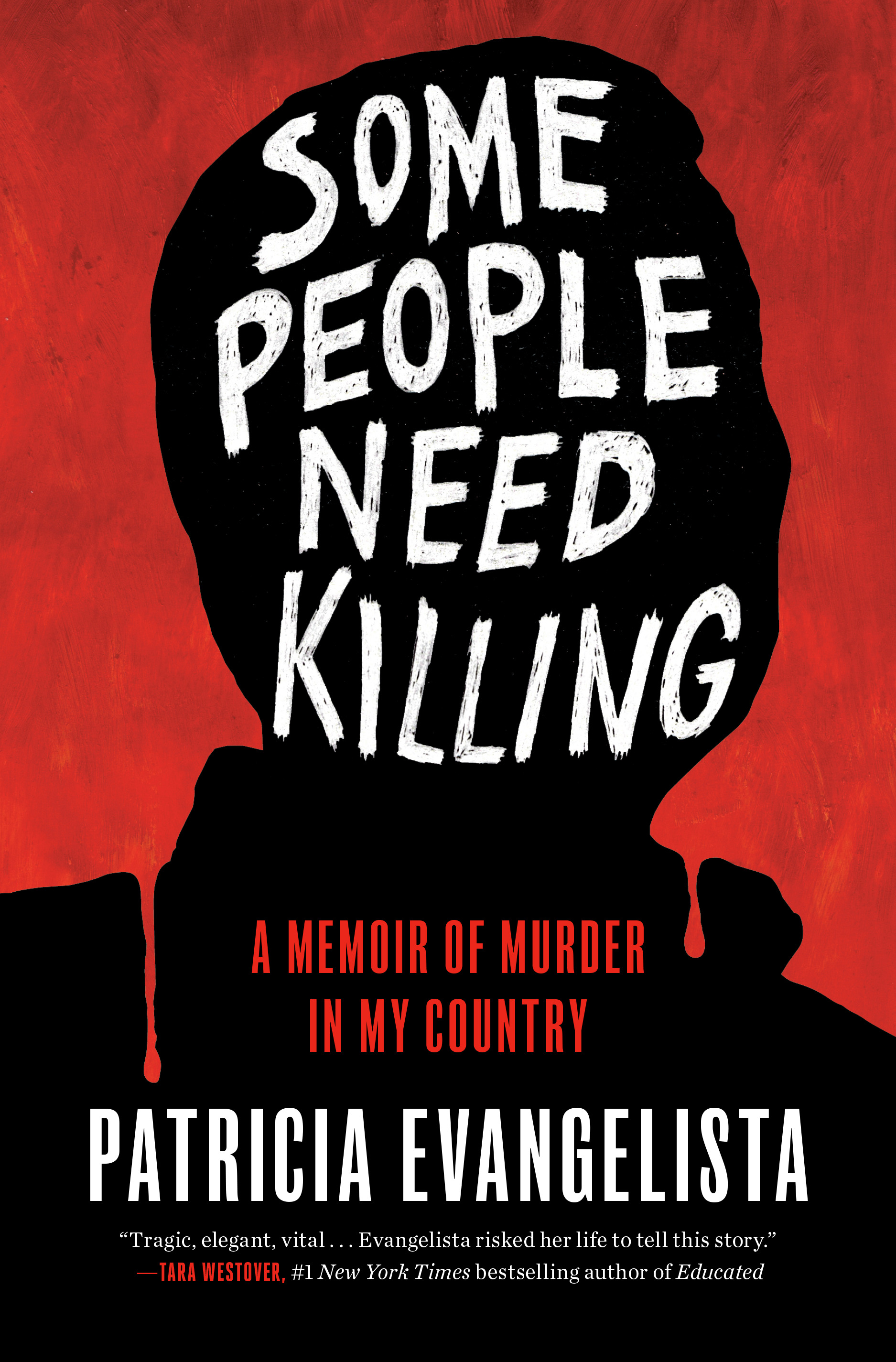
Some People Need Killing is Patricia Evangelista's meticulously reported and deeply human chronicle of the Philippines' drug war and Rodrigo Duterte's assault on the country's struggling democracy. For six years, Evangelista immersed herself in the world of killers and survivors, documenting the thousands of Filipinos killed by police and vigilantes in the name of a war on drugs that left somewhere between 8,000 and 30,000 dead. The book's title comes from the words of a vigilante who described his actions as making his neighborhood safer, words that captured the psychological accommodation an entire nation had been asked to make.
My Review
This is a book about the dead, and the people who are left behind. It is also a personal story, written in my own voice, as a citizen of a nation I cannot recognize as my own. The thousands who died were killed with the permission of my people. I am writing this book because I refuse to offer mine.
Patricia Evangelista does not write this book from a distance. She writes it from inside the rage, and you feel every word of it.
Some People Need Killing is a six-year chronicle of the Philippines’ drug war under President Rodrigo Duterte: the police kill squads, the vigilante death squads paid per body, the piles of tied-up corpses found in neighborhood streets, and the verbal gymnastics deployed by politicians and police to avoid accountability for what was, by any honest measure, state-sanctioned mass murder. Evangelista documents it all with the precision of an investigative journalist and the anguish of someone who loves her country and has watched it accommodate something monstrous.
President Duterte said kill the addicts, and the addicts died. He said kill the mayors, and the mayors died. He said kill the lawyers, and the lawyers died. Sometimes the dead weren’t drug dealers or corrupt mayors or human rights lawyers. Sometimes they were children, but they were killed anyway, and the president said they were collateral damage.
The questions this book raised in me were ones I kept turning over long after I put it down. If a population votes knowingly for a man who brags about killing people, is the resulting slaughter democratic? When gossip about suspected drug use is enough to land someone on a police kill list, when grudges and business rivalries and political competition become death sentences, when children are shot on video and the footage circulates on phones, at what point does a society reckon with what it has permitted? Evangelista doesn’t let anyone off the hook, not Duterte, not the police, not the voters who wanted street justice and got it, and not the international community that looked away.
Slaughter dressed up in bureaucratese dulls the senses, and over time can anesthetize an entire population to the horror happening right where they live. Objective reality is winnowed away by each succeeding government report. The dead perish again, into nonexistence.
What makes this book extraordinary is also what makes it occasionally difficult to read. Evangelista’s fury is right there on every page, controlled but never cold. She is not a neutral narrator and she does not pretend to be. For some readers that will feel like a flaw. For me it felt like integrity.