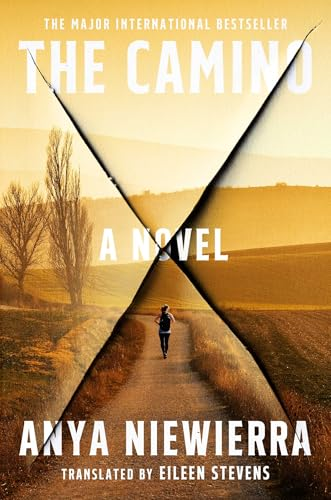
When chocolatier Lotte Bonnet's husband Emil dies by suicide on the Camino de Santiago, she is left not only devastated but full of questions. A year later, she retraces his exact route through central France, hoping the path will give her answers. What she finds instead is that the man she loved was hiding a dark secret rooted in the horrors of the Bosnian War, and that someone on the trail does not want her to find out the truth.
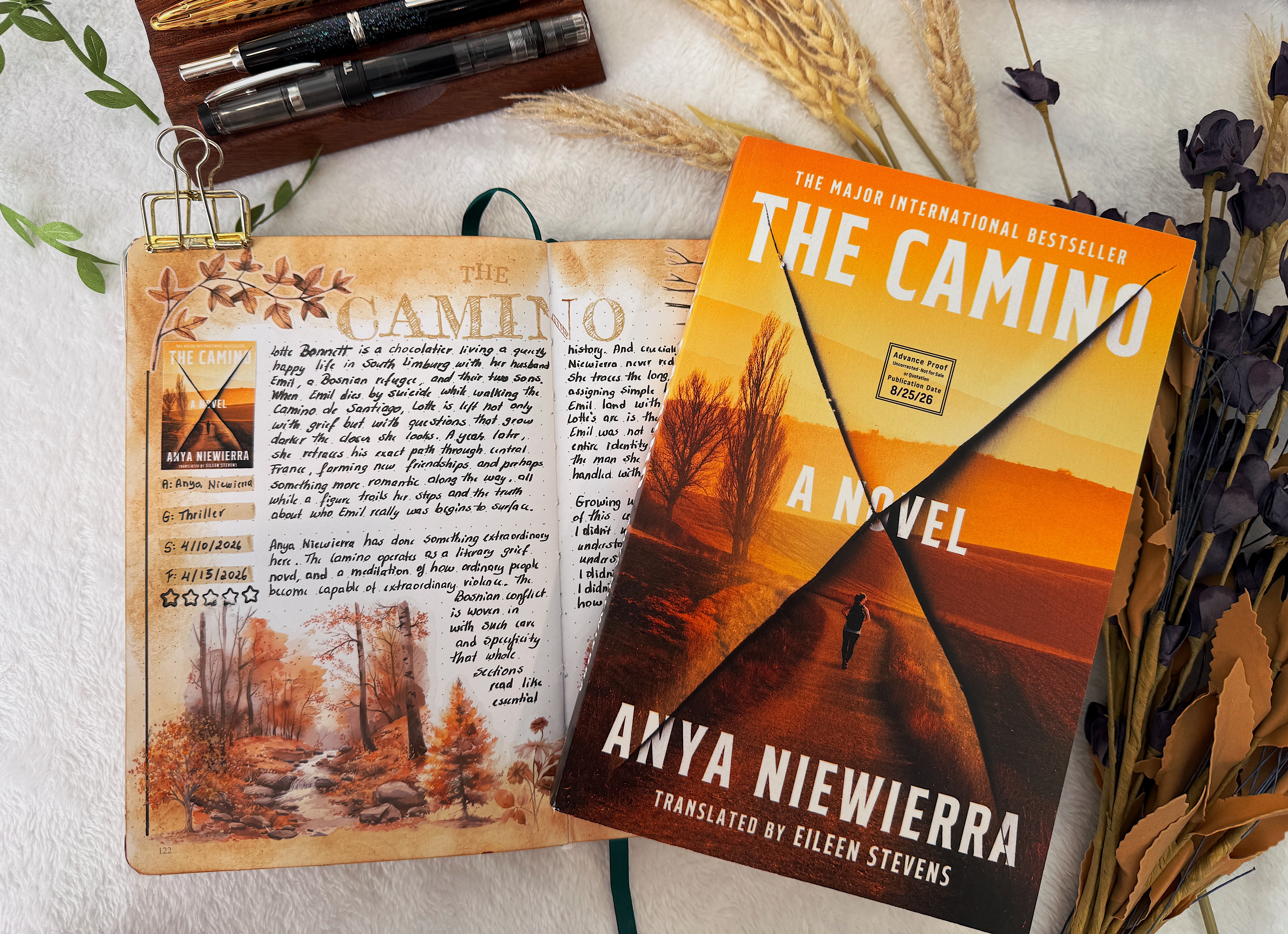
My Review
Thank you so much to Simon books for the ARC!
I picked up The Camino knowing it would be a grief story wrapped around the Way of Saint James, but I was completely unprepared for how much it would teach me, move me, and unsettle me.
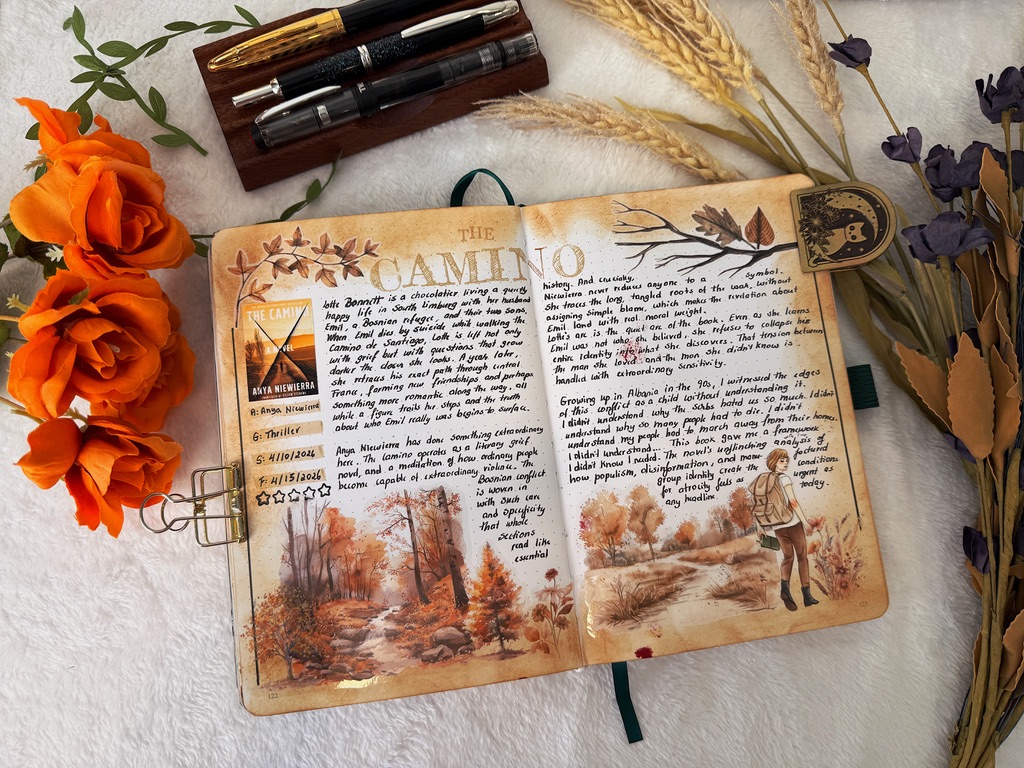
Lotte Bonnet is a chocolatier living a quietly happy life in South Limburg with her husband Emil, a Bosnian refugee, and their two sons. When Emil dies by suicide while walking the Camino de Santiago, Lotte is left not only with grief but with questions that grow darker the closer she looks. A year later, she retraces his exact path through central France, forming new friendships and perhaps something more romantic along the way, all while a figure trails her steps and the truth about who Emil really was begins to surface.
Anya Niewierra has done something extraordinary here. The Camino operates simultaneously as a literary grief novel, a historical thriller, and a meditation on how ordinary people become capable of extraordinary violence. The Bosnian conflict is woven in with such care and specificity that whole sections read like essential history. And crucially, Niewierra never reduces anyone to a symbol. She traces the long, tangled roots of the war without assigning simple blame, which makes the revelations about Emil land with real moral weight.
Lotte’s arc is the quiet heart of the book. Even as she learns Emil was not who she believed, she refuses to collapse his entire identity into what she discovers. That tension, between the man she loved and the man she didn’t know, is handled with extraordinary sensitivity.
Growing up in Albania in the nineties, I witnessed the edges of this conflict as a child without understanding it. I didn’t understand why the serbs hated us so much. I didn’t understand why my people had to march away from their homes. I didn’t understand why so many people had to die. I didn’t understand… This book gave me a framework I didn’t know I needed. The novel’s unflinching analysis of how populism, disinformation, and manufactured group identity create the conditions for atrocity feels as urgent as any headline today.
I highly recommend this book to anyone wanting to learn more about what happened in the Balkans in the 90s.