
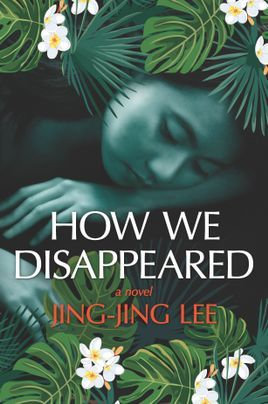
How We Disappeared weaves together two timelines across sixty years. In 1942, seventeen-year-old Wang Di is taken from her village during the Japanese occupation of Singapore and forced into sexual slavery as a so-called 'comfort woman'. In the year 2000, twelve-year-old Kevin overhears a mumbled confession from his ailing grandmother and sets out to uncover the truth, setting in motion a chain of events he never could have foreseen.
My Review
There is a chapter of World War II history that rarely makes it into the novels most of us read. Not the European front, not the American perspective, but the brutal Japanese occupation of Southeast Asia and the tens of thousands of young women taken from their homes and forced into sexual slavery as so-called comfort women. Jing-Jing Lee has written that chapter with the care and unflinching honesty it deserves, and drawn on her own family history to do it.
Wang Di is seventeen when she is taken from her village in occupied Singapore in 1942, renamed Fujiko, and housed in a military brothel under the control of a woman called Mrs. Sato. She survives. But survival, Lee makes clear, is only the beginning of what survival costs. Wang Di returns home to shame and silence, is married off to a kind widower who tries and fails to draw her story out of her, and sixty years later is still filling the empty spaces of her life with hoarded objects, still carrying everything unsaid inside her like a wound.
That was when I learned that it was possible to disappear and still be there, that it was possible to disappear even further than he had. To be emptier than empty. Blacker than black.
The second thread follows Kevin, a twelve-year-old grieving his grandmother in the year 2000, who overhears a deathbed confession that sends him searching for a truth his father doesn’t know. The way these two timelines converge is handled with such precision and tenderness that when Wang Di and Kevin’s worlds finally touch, it lands with the weight of everything that came before it.
What stays with me most is Lee’s understanding of how trauma travels: through silence, through shame, through the generations that inherit secrets they were never told. Wang Di’s hoarding, Kevin’s father’s depression, the things people cannot say and what that unsaying does to them from the inside.
And then, after the horror during what was supposed to be her best years, how her mother’s words, the shame foisted on her by herself, her family, and everyone around her, had dictated the silence that shadowed her every move after the war.
Quietly devastating and completely unforgettable. Five stars.