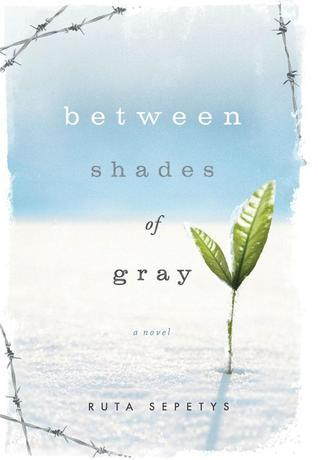
Between Shades of Gray begins with a knock at the door in the dead of night. Fifteen-year-old Lina Vilkas is hauled away by the Soviet secret police from her home in Lithuania and thrown into a cattle car with her mother and younger brother, bound for a labour camp in Siberia. Separated from her father, Lina secretly passes along clues in the form of drawings, hoping they will reach his prison camp. Spanning years and 6,500 miles, it is a story of survival, love, and the inextinguishable human will to endure.
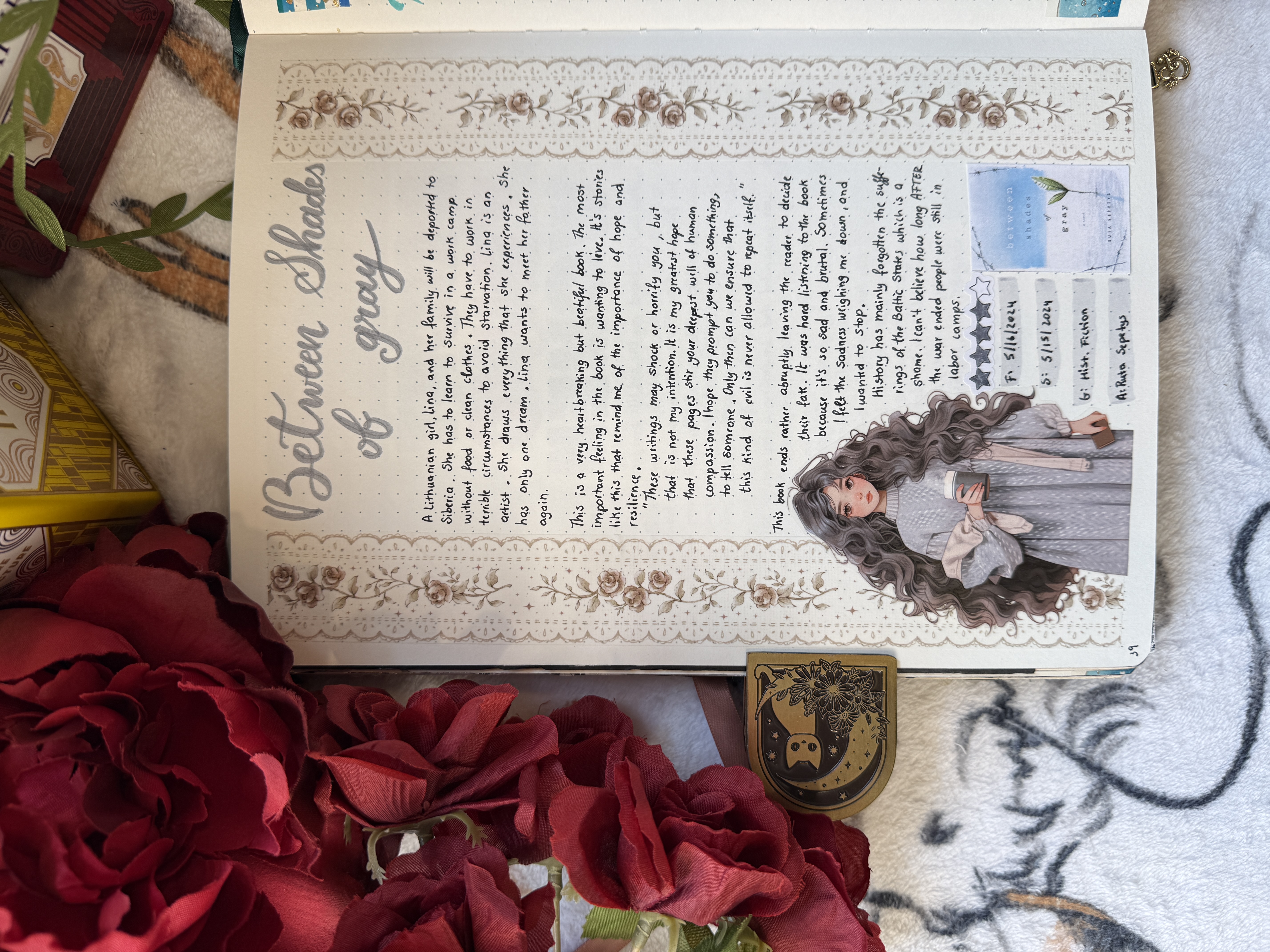
My Review
Most of us know about the atrocities of Hitler’s reign. Far fewer know that while the Holocaust was unfolding, Stalin was simultaneously deporting hundreds of thousands of Lithuanians and other Baltic peoples to labour camps in Siberia, tearing families from their homes with twenty minutes to pack, loading them into cattle cars, and sending them north across the Arctic Circle to dig for beets in conditions designed to kill them. Between Shades of Gray tells that story, and it tells it without flinching.
Lina is fifteen, an artist, entirely ordinary, when Soviet officers arrive at the door. What follows is a journey spanning years and 6,500 miles, told with a clarity and unflinching honesty that I did not expect from a YA novel. Sepetys does not soften the horror to make it more palatable for younger readers, and I think that is exactly right. These were real experiences. Real people endured them. The least a novel can do is look at them clearly.
Have you ever wondered what a human life is worth? That morning, my brother’s was worth a pocket watch.
Lina’s art is what grounds the book emotionally. She documents everything she witnesses in drawings, smuggling them out in the hope they will reach her father, and watching her find both solace and purpose in creativity while everything else is being stripped away gives the narrative a thread of quiet hope that never tips into sentimentality.
Was it harder to die, or harder to be the one who survived?
The romance with Andrius is the one element I could have done without, or at least wished had been handled with a little more subtlety. It is a tried and true YA convention and it serves its purpose in humanising the characters, but it occasionally pulled me out of a story that was doing its most powerful work in the spaces between people rather than in the moments of overt feeling.
A genuinely important piece of historical fiction, and one of those books that sends you straight to the internet afterward to read more.
Krasivaya. It means beautiful, but with strength. Unique.