
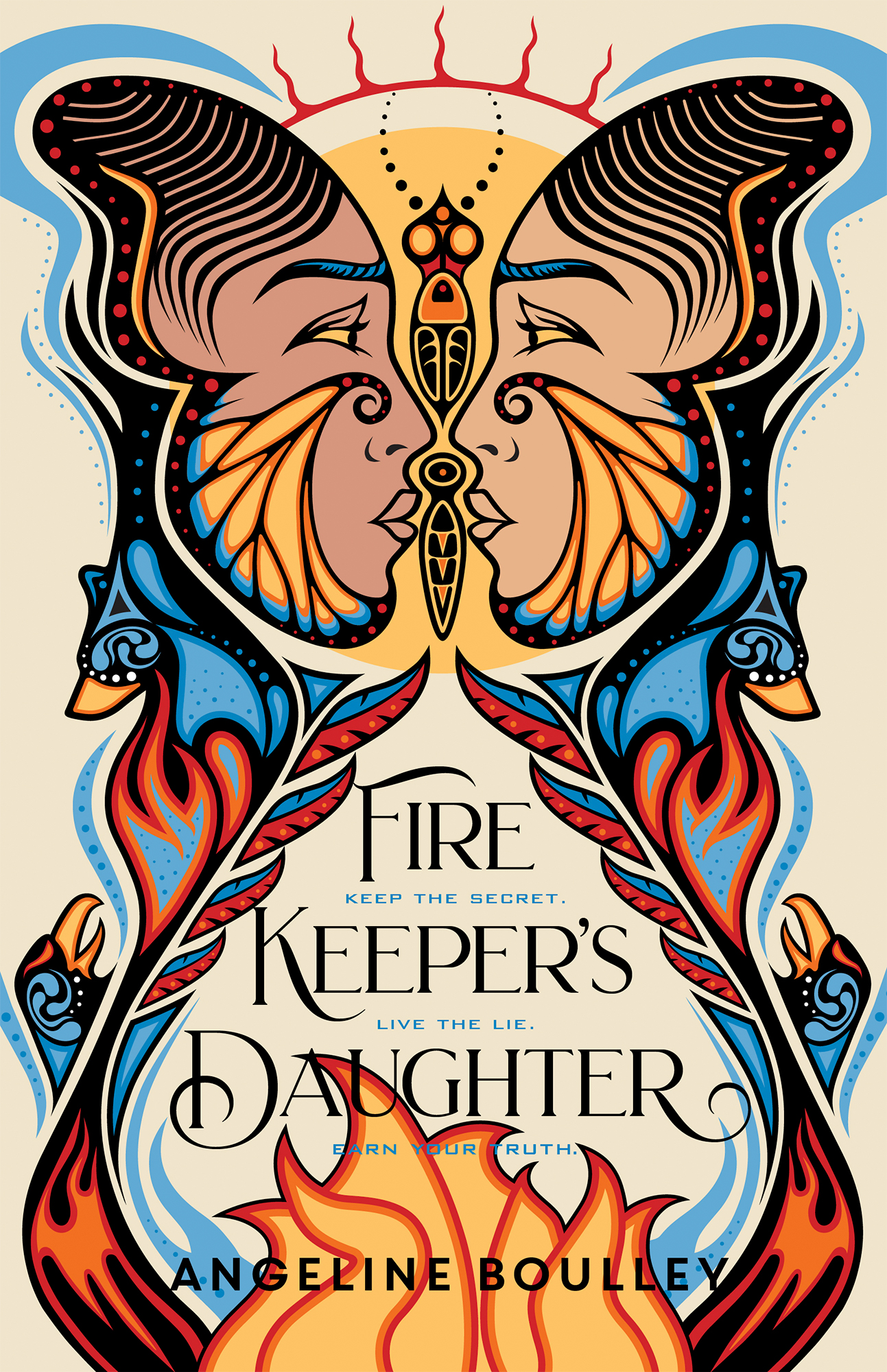
Firekeeper's Daughter follows eighteen-year-old Daunis Fontaine, who has never quite fit in, both in her hometown and on the nearby Ojibwe reservation. When family tragedy derails her college plans and she witnesses a shocking murder, she is pulled into an FBI investigation of a lethal new drug, going undercover and drawing on her knowledge of both chemistry and Ojibwe traditional medicine to protect her community.
My Review
Firekeeper’s Daughter is billed as a YA mystery, which is accurate but undersells what Angeline Boulley is actually doing here. The investigation is slow burn and deliberately so, because the real story is Daunis: her grief, her identity, her place in a community that has never quite had a category for her. She is biracial, unenrolled, the product of a scandal, and she is carrying all of that alongside a criminal investigation that escalates in ways that require some suspension of disbelief. If the idea of a teenager going undercover alongside the FBI is going to pull you out of the story, fair warning now. For me it didn’t, but it’s worth knowing going in.
Daunis has what’s called a flat arc, meaning she doesn’t fundamentally transform over the course of the book. Some readers will find that frustrating. I thought it was inspired. She is already a good person navigating impossible circumstances, and watching her make hard choices and work through grief without losing herself felt true to exactly who she was.
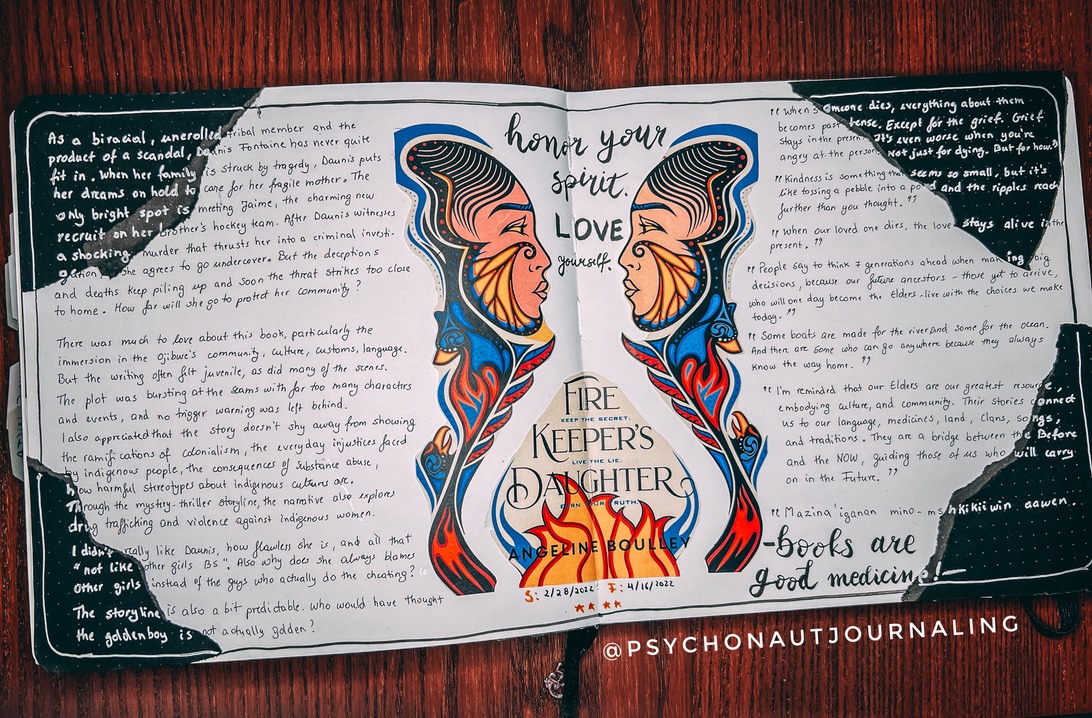
People say to think seven generations ahead when making big decisions, because our future ancestors—those yet to arrive, who will one day become the Elders—live with the choices we make today.
What elevated this from good to something I’ll carry for a while is the Ojibwe and Anishinaabe culture woven through every layer of the story. The language, the traditions, the storytelling conventions: it all adds a richness that you feel even when you can’t fully articulate it. And the community Boulley builds around Daunis, the elders, the family members who show up for her, the love that runs underneath even the darkest moments, that’s where I cried. More than once.
A note: the content warnings are extensive and worth reading before you start. This book doesn’t flinch from the real difficulties facing Native communities, and anyone who finds that “too much for one story” might want to sit with why.
When someone dies, everything about them becomes past tense. Except for the grief. Grief stays in the present. It’s even worse when you’re angry at the person. Not just for dying. But for how.
Overall, I loved this book. It was a little slow at times, but the payoff was worth it. I can’t wait to see how the Netflix adaptation turns out, and I hope it does justice to the depth and nuance of the source material.