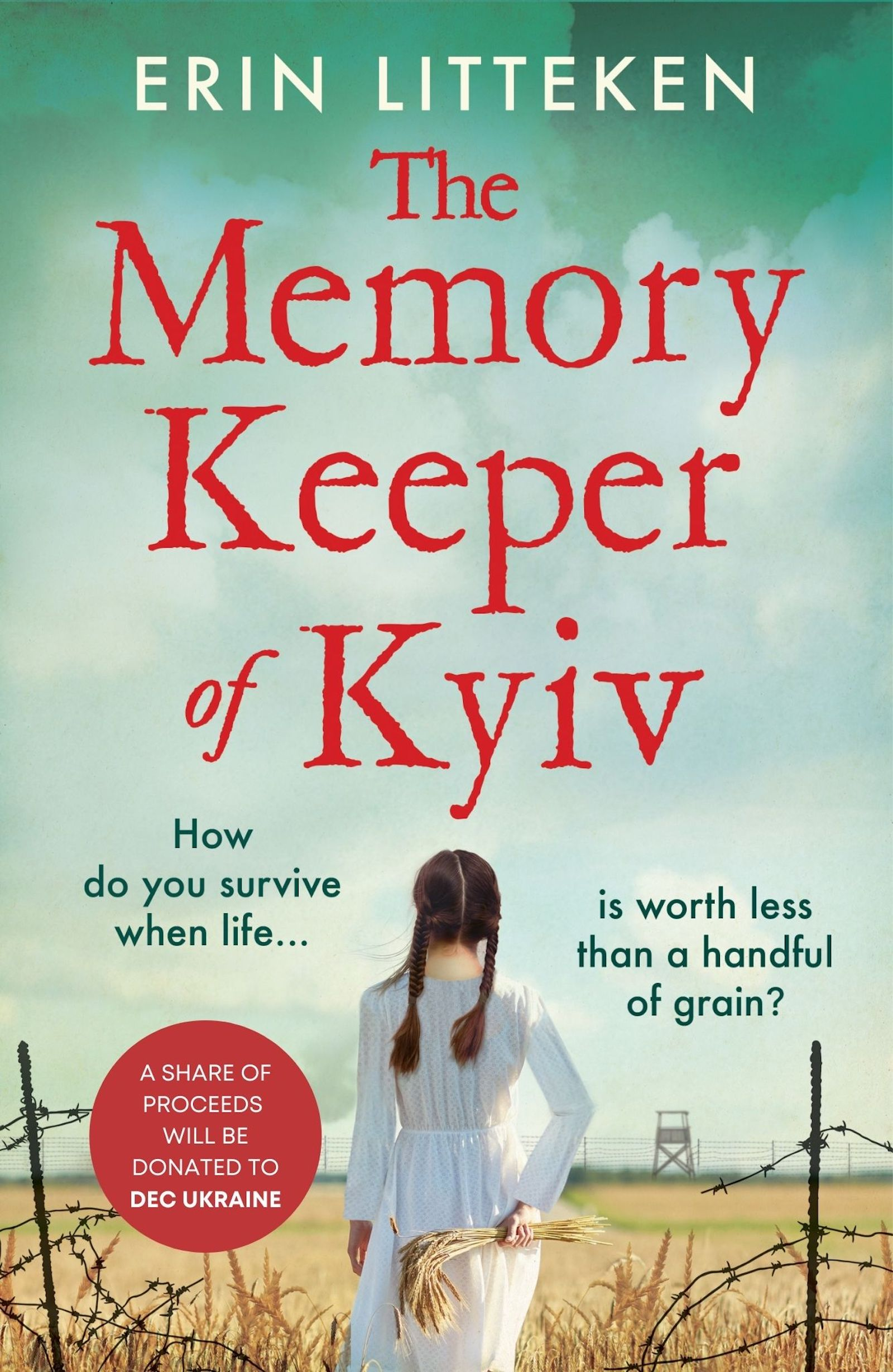
The Memory Keeper of Kyiv follows two timelines: in 1929, sixteen-year-old Katya watches Stalin's activists arrive in her Ukrainian village, the beginning of a systematic campaign of collectivisation and starvation that will steal millions of lives. Seventy years later, a young widow discovers her grandmother's journal, uncovering the long-buried secrets of her family's haunted past and finally understanding why her grandmother hoards food and is troubled by ghosts. Inspired by the Holodomor, the man-made famine the Russian government still denies.
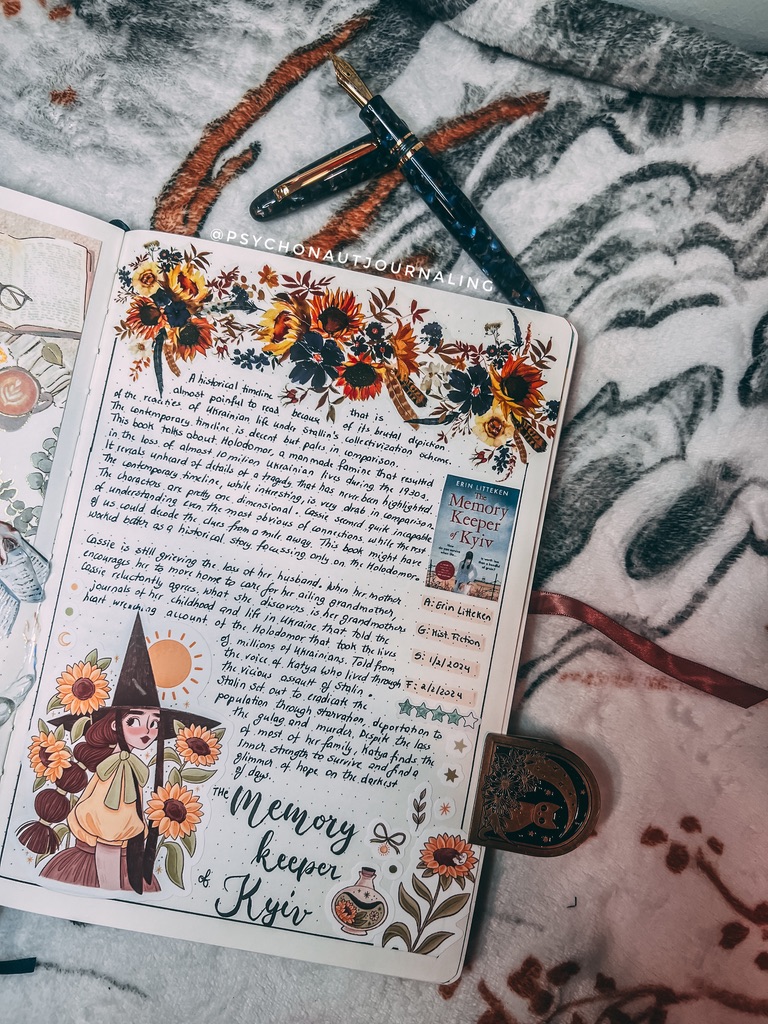
My Review
The Holodomor, Stalin’s man-made famine that killed close to four million Ukrainians in the early 1930s, is a chapter of history that much of the world has never been taught and that the Russian government continues to deny. Erin Litteken’s debut brings it into sharp, devastating focus, and the fact that she does so while Russia is once again waging war on Ukraine gives the book an urgency that is impossible to ignore.
The historical thread is where this novel earns its keep. Sixteen-year-old Katya’s story, from the first arrival of Stalin’s activists in her village to the slow, deliberate starvation of her community, is told with a sense of place and a quiet intensity that kept me turning pages. The horror never feels gratuitous. It builds the way the famine itself built: gradually, relentlessly, with moments of love and stubborn resistance threaded through the darkness.
The contemporary storyline is harder to love. Cassie, grieving her husband and slowly uncovering her grandmother’s hidden past through a Ukrainian journal, is a less compelling protagonist than Katya, and the 2004 timeline suffers from some predictability and characters who don’t quite feel fully realised. It also stretches credibility that an entire family could have known so little about their Ukrainian heritage for so many decades. The romance that develops felt rushed rather than earned, and the climax, after considerable build-up, resolved itself too quickly in the final pages.
None of this undermines the importance of the history at the book’s core. For readers who know nothing about the Holodomor, this is a genuinely valuable window into an atrocity that deserves far more attention than it receives. Four stars for the history, and for Katya.