
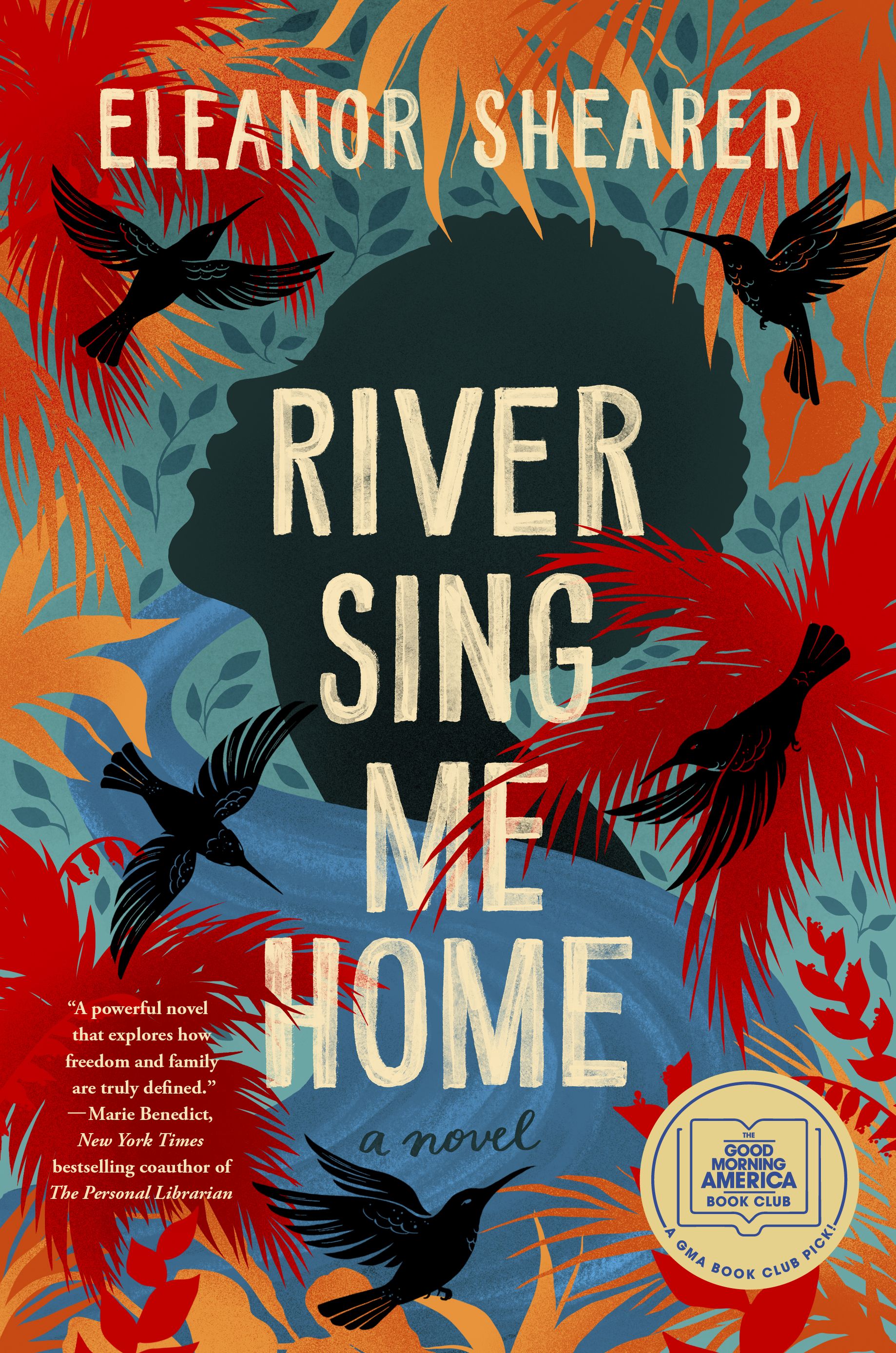
River Sing Me Home follows Rachel, an enslaved woman on a Barbados plantation, who runs away after the 1834 Emancipation Act only to discover that freedom means little without knowing what has become of her five children, all sold to different plantations across the Caribbean. Driven by a mother's love that refuses to accept the unknown, she journeys across islands and through extraordinary danger to find each one. Inspired by the true stories of women who went searching for their stolen children after abolition.
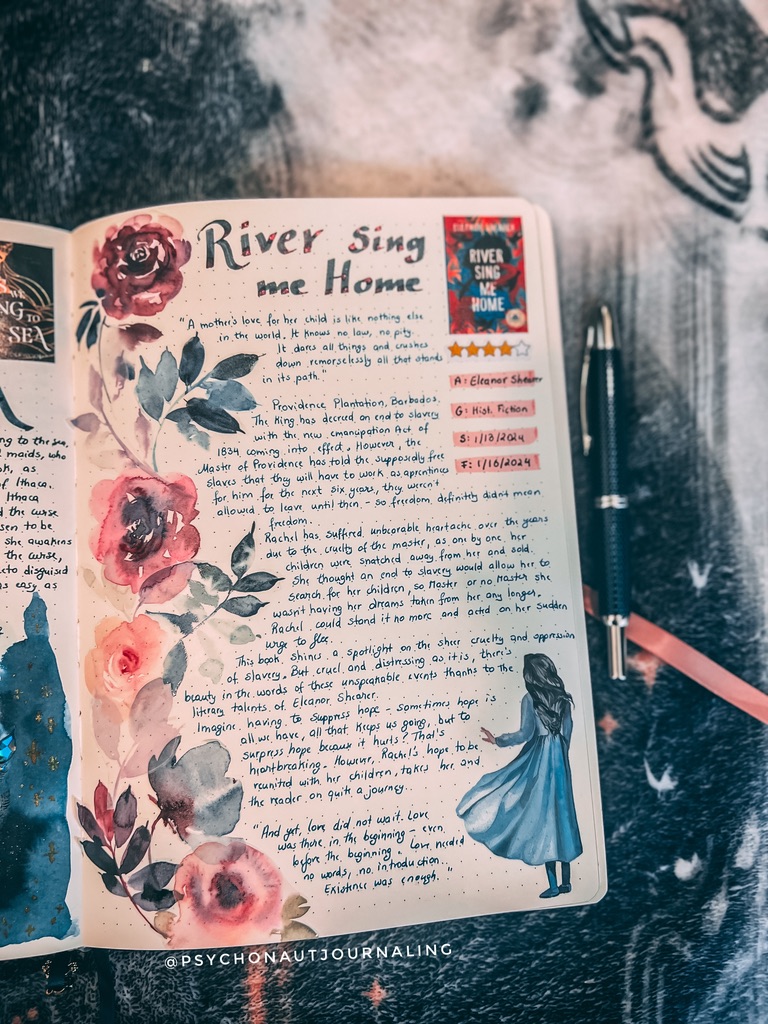
My Review
A mother’s love for her child is like nothing else in the world. It knows no law, no pity. It dares all things and crushes down remorselessly all that stands in its path.
Here is something I did not know before picking up this book: when Britain declared the abolition of slavery in 1834, the plantation owners of the Caribbean simply renamed it. Former slaves became apprentices, still bound to the land, still subject to punishment if they ran. Freedom was a word with no weight behind it. Rachel decides she will not wait six years for a freedom that may never arrive, and she runs.
What follows is a journey that takes her from Barbados to British Guiana and finally to Trinidad, driven by the one thing that makes freedom mean anything: her children. Five of them survived birth. All five were sold away from her. She does not know if any are still alive. She goes to find out anyway.
Eleanor Shearer writes with a lyrical precision that earns the beauty of her prose. This is not decorative language applied to dark material; it is language that holds the darkness and the hope in the same breath, which is exactly what the story requires. There is a moment where Rachel must suppress hope because hope has become too painful to carry, and the way Shearer renders that particular grief stopped me cold. That a mother might have to set down the very thing that keeps her moving, because it hurts too much to hold, is one of the most heartbreaking ideas in the book, and it is handled without a word too many.
The novel is also genuinely illuminating. The history of the apprenticeship system, of women who walked across entire islands searching for stolen children, of the different forms freedom took in different places: all of it lands with the weight of things that should be better known than they are. Shearer wears her research lightly but you feel the depth of it on every page.
A powerful debut.