
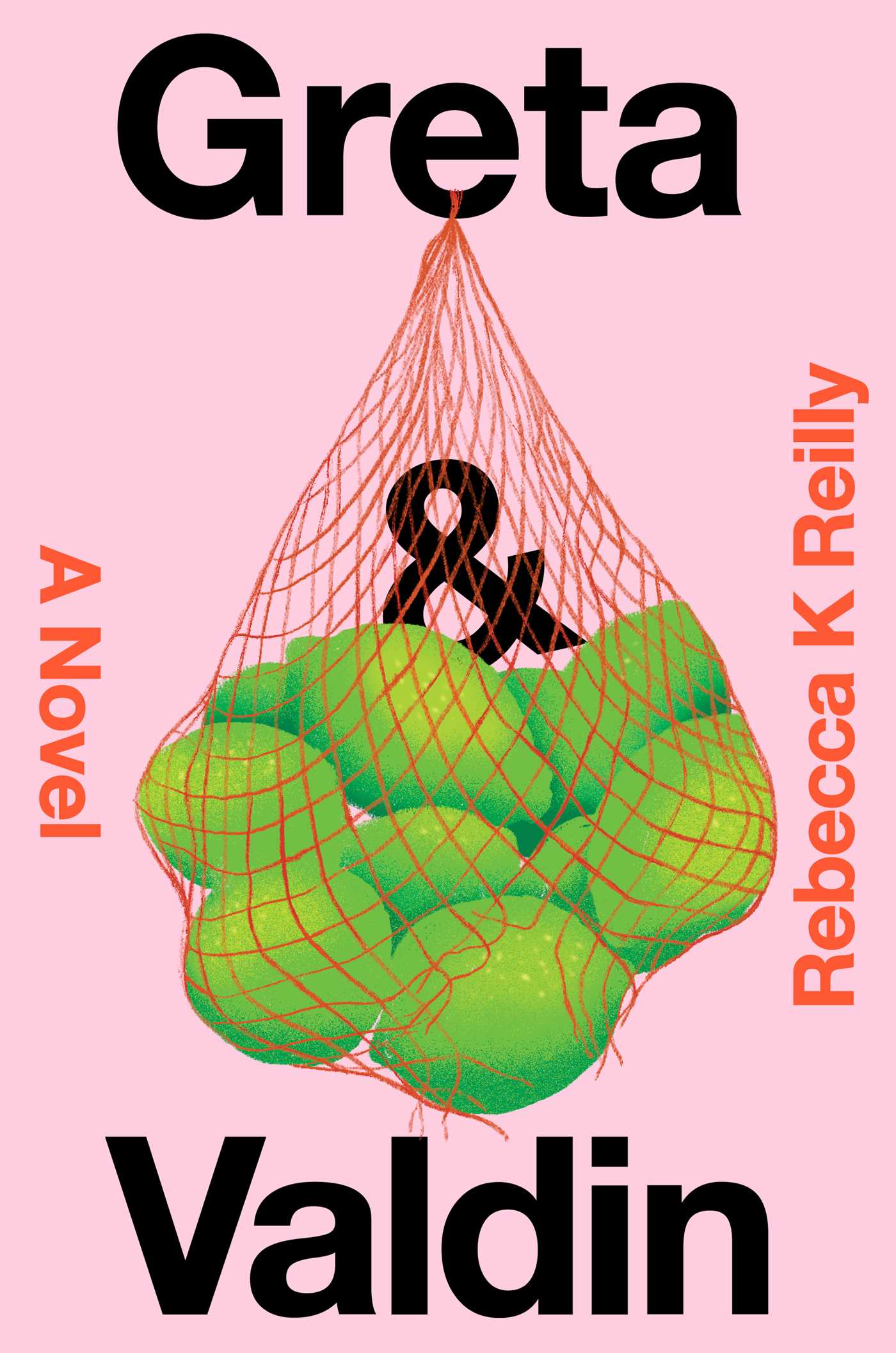
Greta & Valdin by Rebecca K. Reilly is a witty, heartfelt contemporary novel that follows queer siblings Greta and Valdin as they navigate love, identity, and the chaos of their large, multicultural family in Auckland. Told in alternating perspectives, the story captures the messy reality of young adulthood—unrequited crushes, lingering exes, career struggles, and complicated family dynamics. Both humorous and deeply emotional, the novel explores themes of queerness, belonging, and the many ways people care for one another, all wrapped in sharp, lively prose
My Review
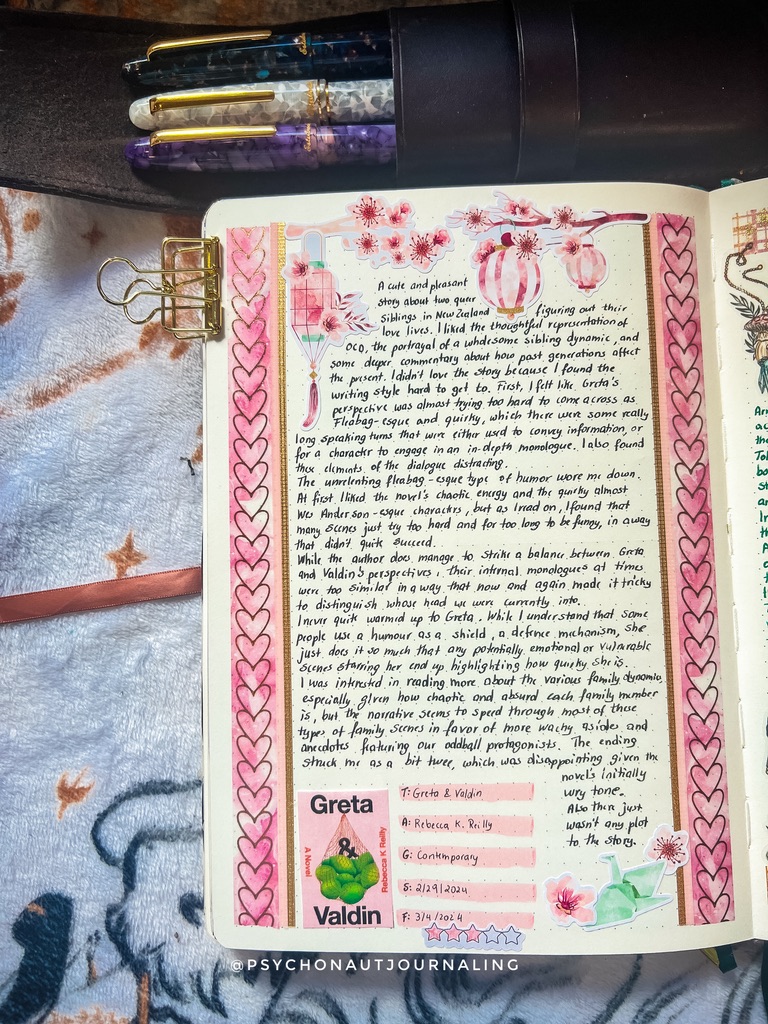
Greta & Valdin is a funny, warm, and undeniably quirky novel that follows two siblings as they fumble their way through love, identity, and the chaos of their wonderfully unconventional family. Rebecca K. Reilly’s writing is sharp and engaging, and there’s a lot to appreciate here—especially the humor, the vibrant cast, and the refreshing New Zealand setting, which felt like a nice change from the usual US/UK backdrops.
At its best, the book is genuinely laugh-out-loud funny and full of heart. The messy, interconnected lives of Greta and Valdin—and their Māori-Russian-Catalonian family—make for a lively, zany reading experience. I really enjoyed the tone at the beginning, with its chaotic, almost Fleabag-esque energy and slightly offbeat, Wes Anderson–style characters.
That said, the novel didn’t fully land for me. I found myself wishing the story had stayed more tightly focused on Greta and Valdin. As it goes on, the narrative becomes increasingly crowded, with so many characters and subplots that it starts to feel overwhelming. By the end, it seemed like too much was happening at once, which diluted the emotional core I was most invested in.
The humor, while strong initially, also became a bit exhausting over time. It often felt like scenes were trying too hard to be funny, and the constant quirkiness sometimes undercut moments that could have had more emotional depth. Greta, in particular, was harder for me to connect with—her reliance on humor made it difficult to fully engage with her more vulnerable moments.
I also noticed that Greta and Valdin’s internal voices occasionally felt too similar, which made it tricky at times to distinguish whose perspective I was in. And while I was intrigued by the family dynamics, the story often rushed past those moments in favor of more offbeat tangents and comedic asides.
The ending leaned a bit too twee for my taste, especially compared to the novel’s otherwise wry tone. Still, despite these issues, I did enjoy the reading experience overall. It’s a delightfully queer, energetic novel with a lot of charm, and Reilly is clearly a talented writer. I’d definitely pick up her next book—even if this one didn’t fully hit the mark for me.