
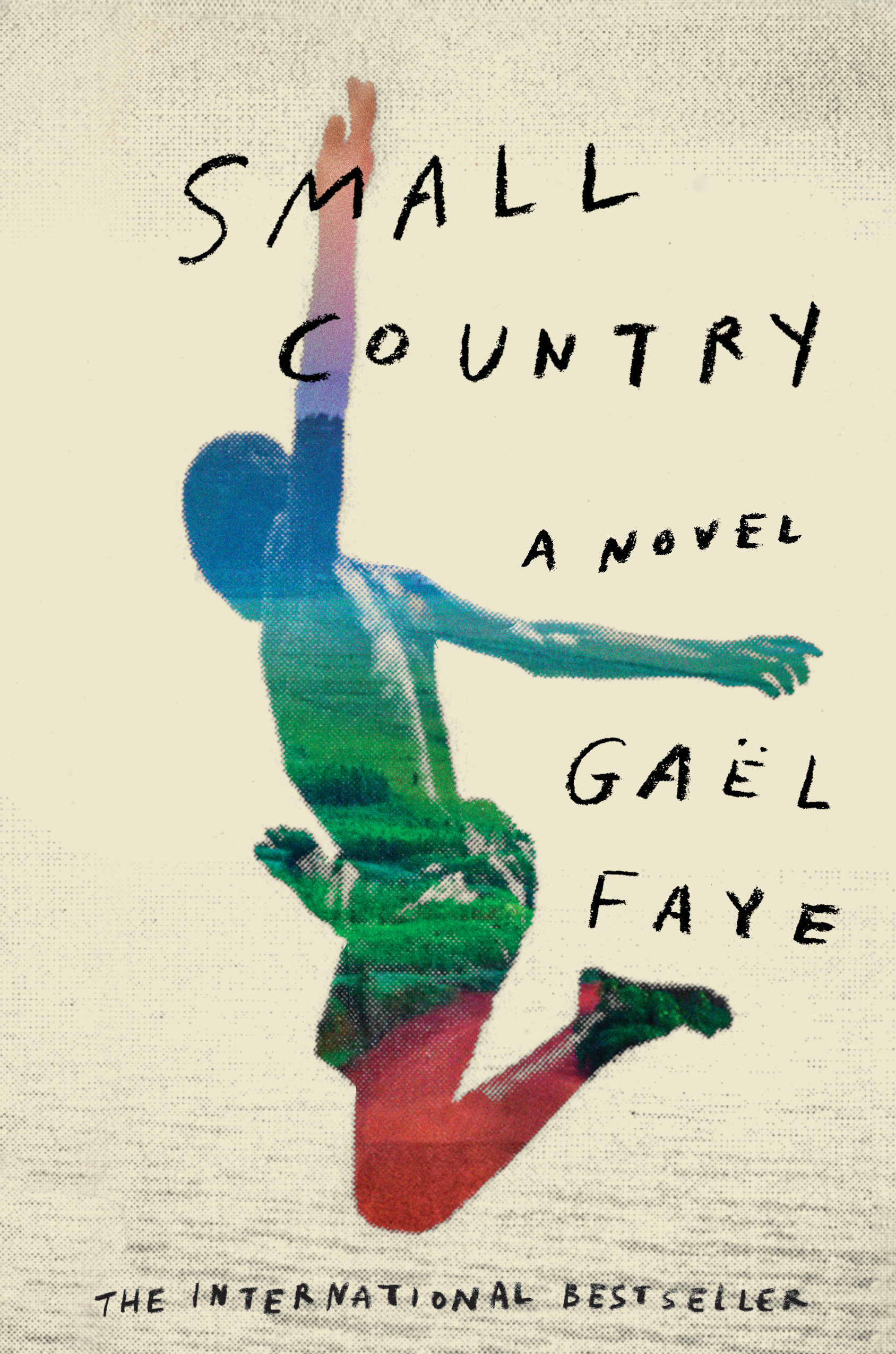
A prize-winning bestseller in its native France, a vivid and evocative coming-of-age tale, set against the backdrop of the Rwandan genocide and the civil war in Burundi, of a young boy's childhood innocence shattered by the brutal tides of history. In 1992, Gabriel, ten years old, lives in Burundi in a comfortable expatriate neighborhood with his French father, his Rwandan mother and his little sister, Ana. In this joyful idyll, Gabriel spends the better part of his time with his mischievous band of friends, in a tiny cul-de-sac they have turned into their kingdom. But their peaceful existence will suddenly shatter when this small African country is brutally battered by history. In this magnificent coming-of-age story, Gael Faye describes an end of innocence and drives deep into the heart and mind of a young child caught in the maelstrom of history.
My Review
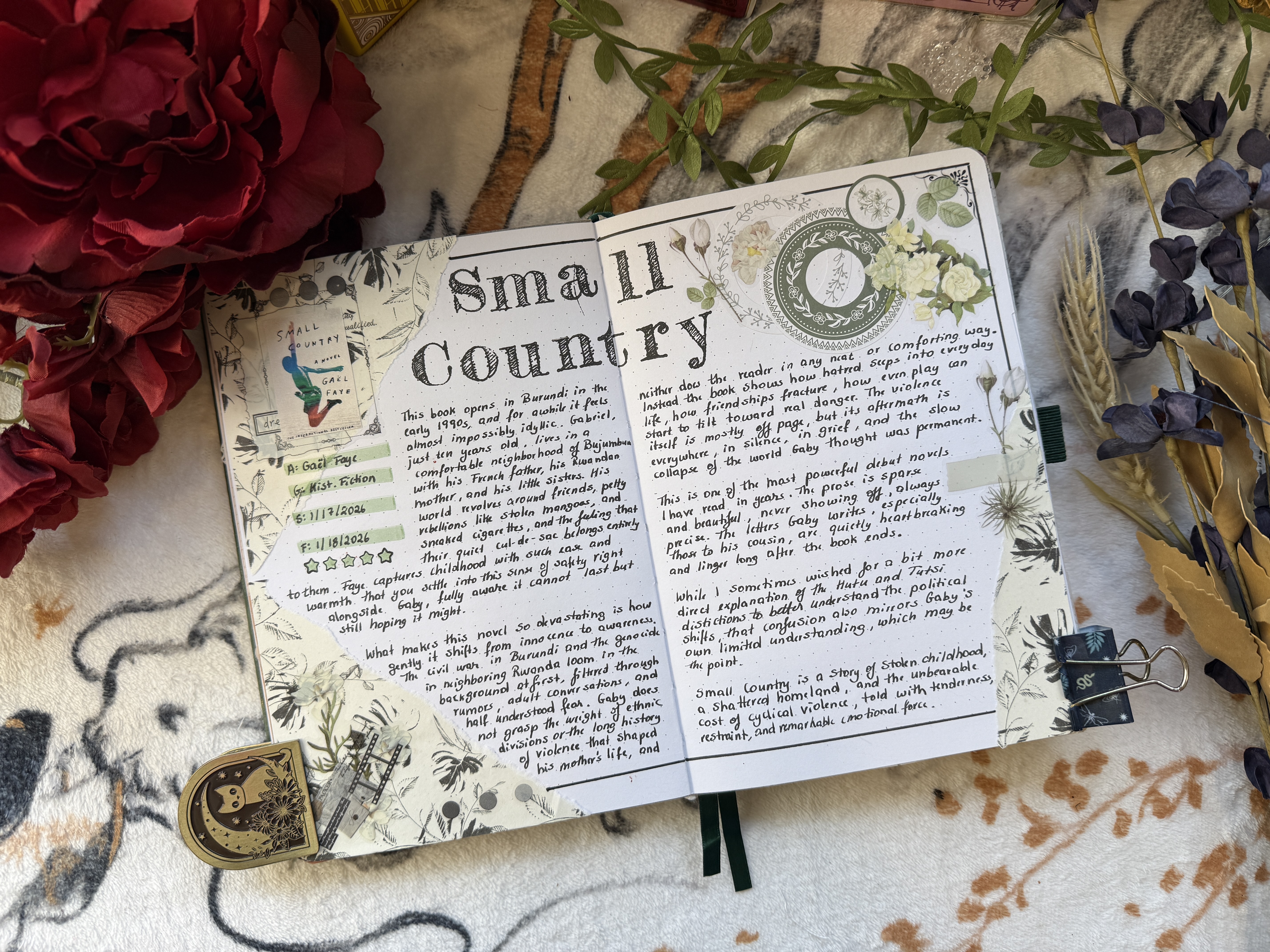
Small Country opens in Burundi in the early 1990s, and for a while it feels almost impossibly idyllic. Gabriel, just ten years old, lives in a comfortable neighborhood of Bujumbura with his French father, his Rwandan mother, and his little sister. His world revolves around friends, petty rebellions like stolen mangoes and sneaked cigarettes, and the feeling that their quiet cul-de-sac belongs entirely to them. Faye captures childhood with such ease and warmth that you settle into this sense of safety right alongside Gaby, fully aware it cannot last but still hoping it might.
What makes this novel so devastating is how gently it shifts from innocence to awareness. The civil war in Burundi and the genocide in neighboring Rwanda loom in the background at first, filtered through rumors, adult conversations, and half-understood fear.
Genocide is an oil slick: those who don’t drown in it are polluted for life.
Gaby does not grasp the weight of ethnic divisions or the long history of violence that shaped his mother’s life, and neither does the reader in any neat or comforting way. Instead, the book shows how hatred seeps into everyday life, how friendships fracture, how even play can start to tilt toward real danger. The violence itself is mostly off-page, but its aftermath is everywhere, in silence, grief, and the slow collapse of the world Gaby thought was permanent.
War always takes it upon itself, unsolicited, to find us an enemy. I wanted to remain neutral, but I couldn’t. I was born with this story. It ran in my blood. I belonged to it.
This is one of the most powerful debut novels I have read in years. The prose is spare and beautiful, never showing off, always precise. The letters Gaby writes, especially those to his cousin, are quietly heartbreaking and linger long after the book ends. While I sometimes wished for a bit more direct explanation of the Hutu and Tutsi distinctions to better understand the political shifts, that confusion also mirrors Gaby’s own limited understanding, which may be the point. Small Country is a story of a stolen childhood, a shattered homeland, and the unbearable cost of cyclical violence, told with tenderness, restraint, and remarkable emotional force.
I had no explanation for the deaths of some and the hatred of others. Perhaps this was what war meant: understanding nothing.