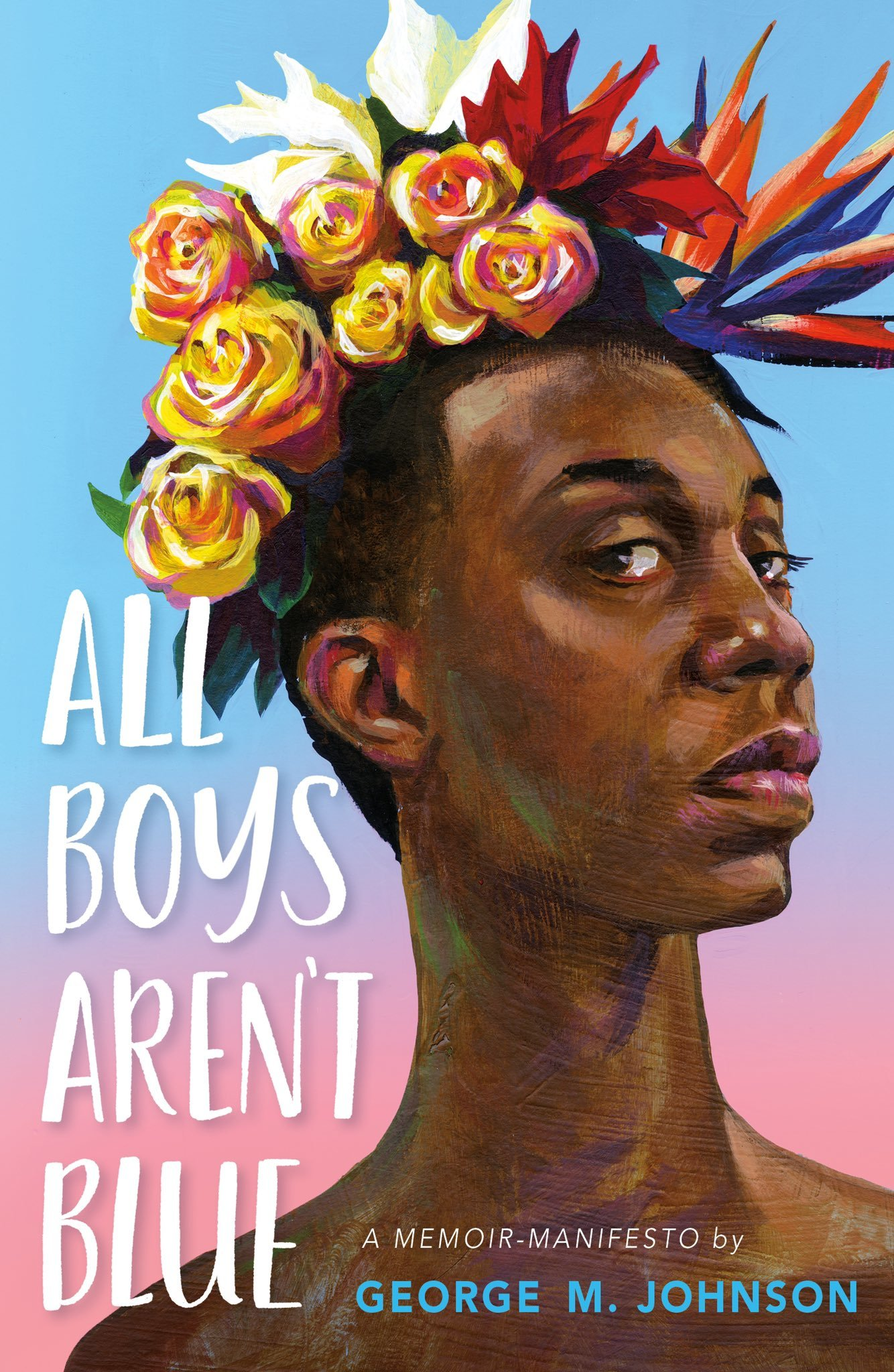
All Boys Aren't Blue is a young adult memoir-manifesto in which George M. Johnson traces their childhood, adolescence, and college years in New Jersey and Virginia through a series of personal essays. Weaving together experiences of bullying, family, sexual abuse, Black joy, and the journey toward queer identity, it is both a reassuring testimony for young queer people of color and a primer for anyone seeking to understand their experiences.
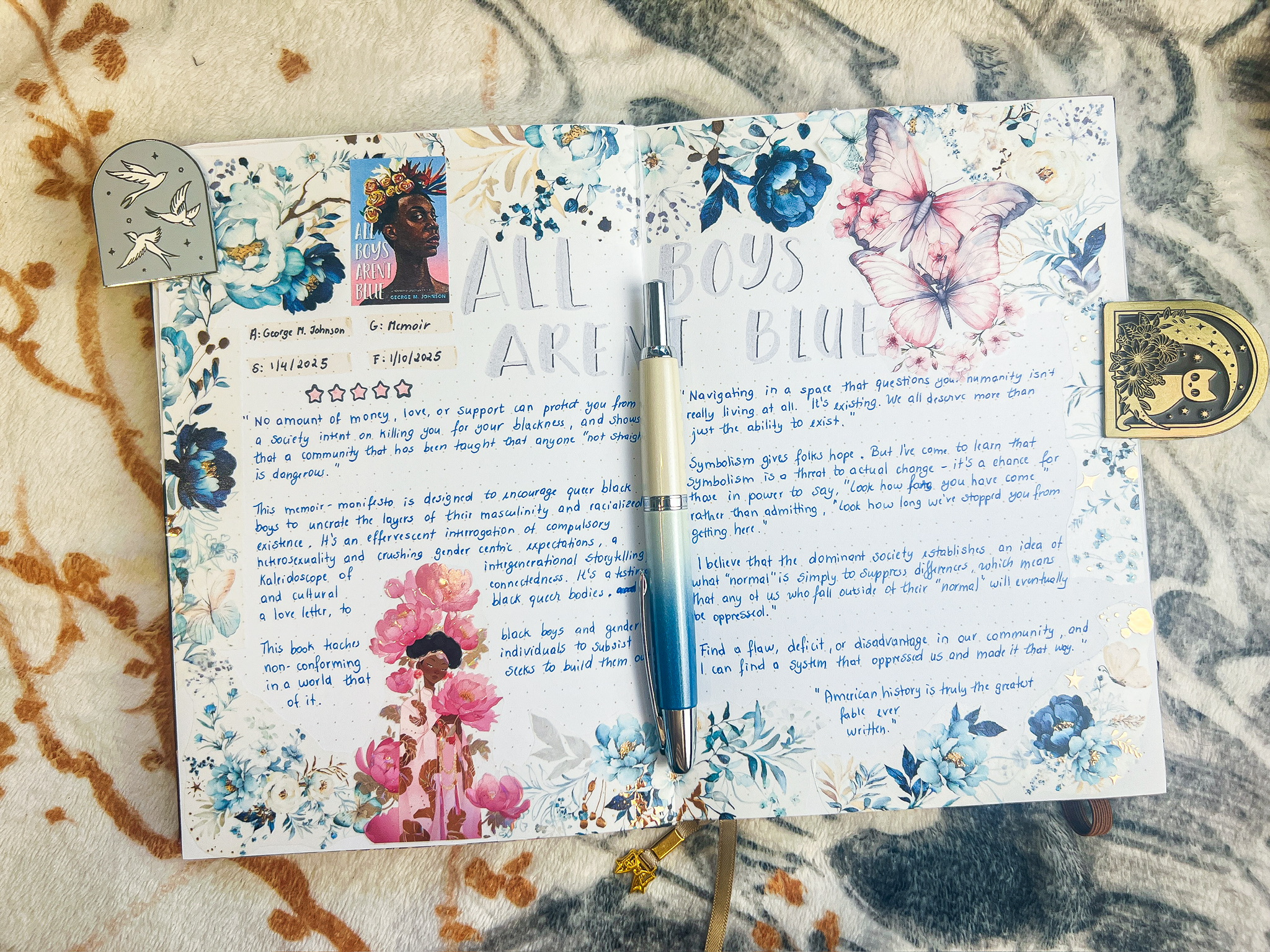
My Review
Let me tell you the thing that stopped me cold while reading this book. Heteronormativity and homophobia sit so deeply within the architecture of our society that even when you have a loving, queer-friendly family and a supportive circle of friends, you can still spend decades fearing and avoiding coming out, to others and to yourself. That realisation, sitting with it, turning it over: that alone would have made this book worth reading.
When people ask me how I got into activism, I often say, “The first person you are ever an activist for is yourself.” If I wasn’t gonna fight for me, who else was?
George M. Johnson writes with a frankness that feels like a gift. These essays move through bullying, family, first sexual experiences, structural racism, toxic masculinity, consent, and Black joy with the kind of honesty that doesn’t perform vulnerability but simply lives in it. Johnson narrates the audiobook themselves, and if you go that route, it only deepens the experience. You can hear the natural storyteller in every sentence.
I cried. More than once. At this point I’ve accepted that I either have a talent for picking exactly the books that will wreck me, or I am simply a person who feels things, and either way I am not sorry.
Symbolism gives folks hope. But I’ve come to learn that symbolism is a threat to actual change—it’s a chance for those in power to say, “Look how far you have come” rather than admitting, “Look how long we’ve stopped you from getting here.
What makes this book so necessary is the breadth of who it speaks to. It is a memoir for queer Black kids who need to see themselves reflected and affirmed. It is a guide for teenagers with questions about identity, relationships, and growing up. It is a resource for parents who want to do better and understand more. And honestly, it is for everyone else too, because there is no version of this where you walk away unchanged and that is entirely the point.