
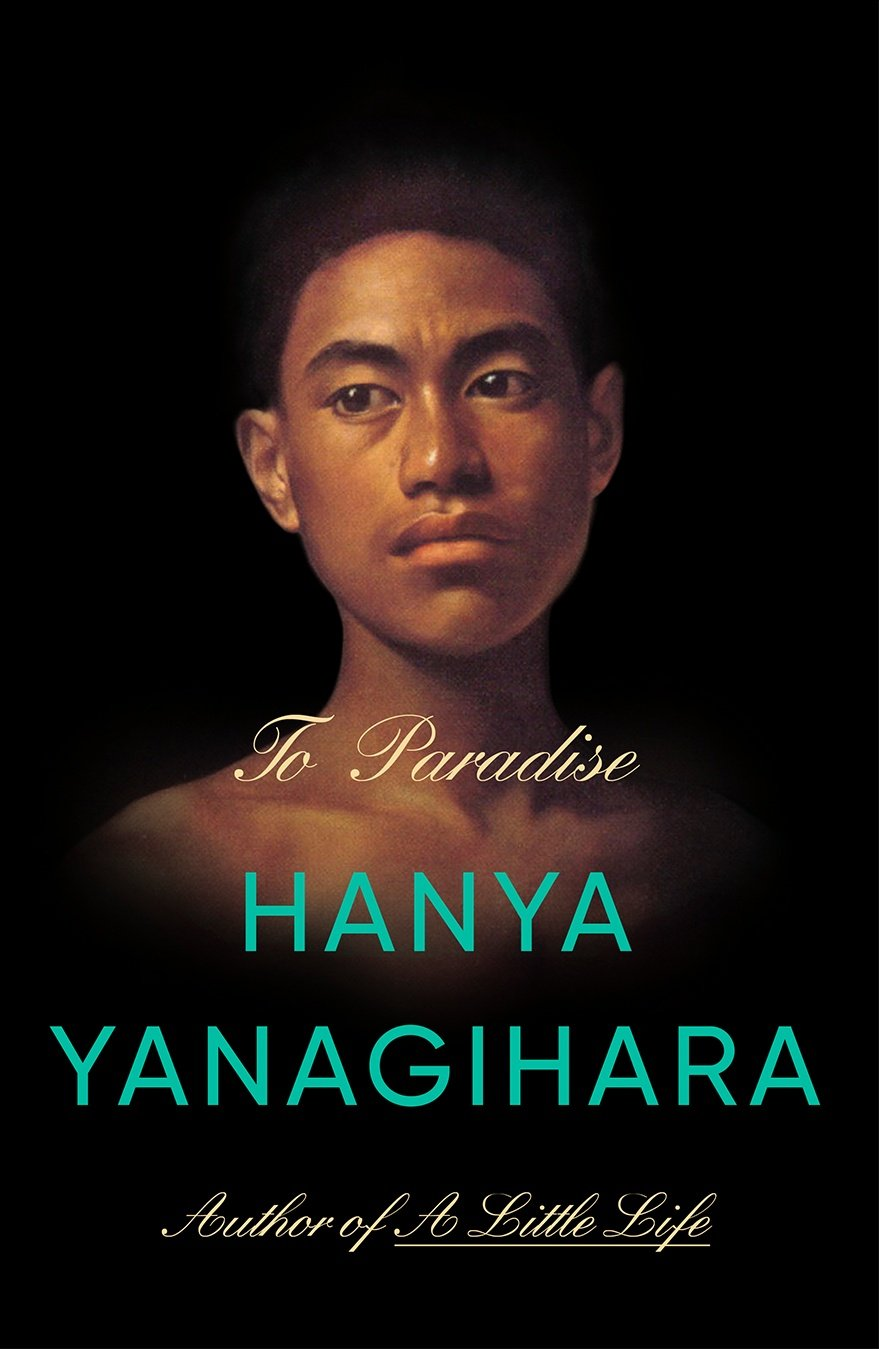
To Paradise is a sweeping novel spanning three centuries and three alternate versions of America, tracing stories of lovers, family, and the elusive promise of utopia across 1893, 1993, and 2093. Each section is set in the same Washington Square townhouse in New York, and each asks the same urgent questions about freedom, love, illness, and what it costs to protect the people we care for.
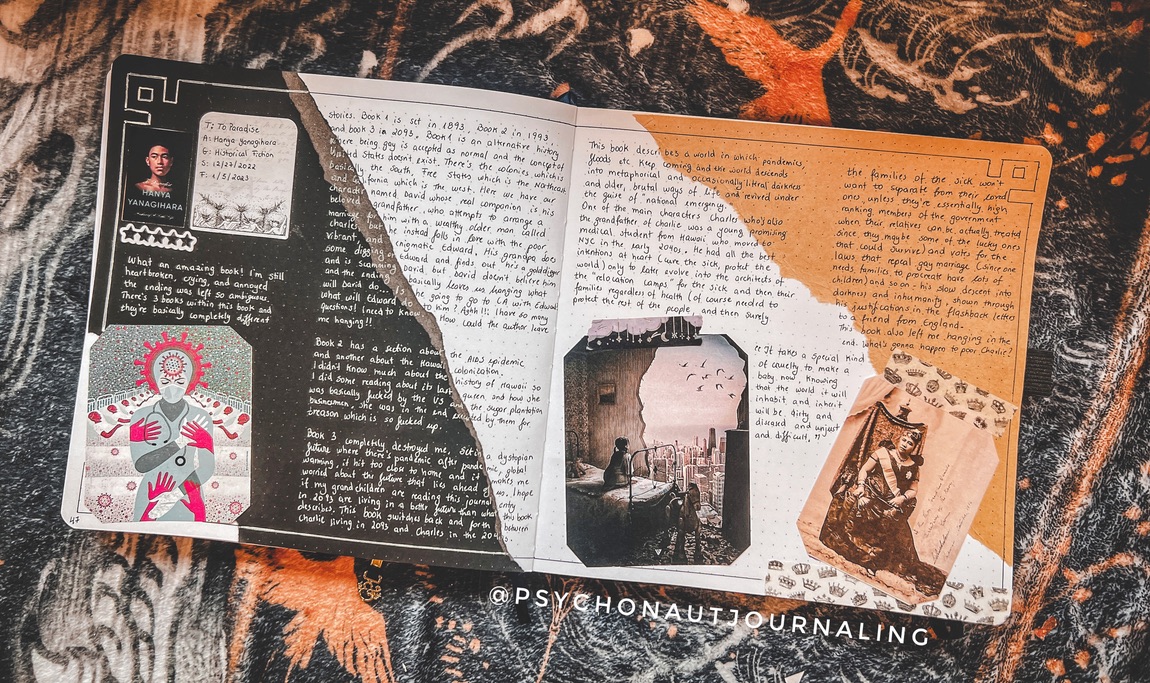
My Review
There is a particular kind of novel that asks you to surrender to it completely, to trust that the architect knows what she is building even when the scaffolding looks strange from where you are standing. To Paradise is that kind of novel, and Hanya Yanagihara repays that trust in full.
Three sections. Three centuries. Three alternate Americas, each haunted by the same questions about freedom, love, illness, and the terrible cost of trying to protect the people we care for. A Washington Square townhouse anchors all three, and characters share names and echoes across time without ever quite being the same person. It sounds like a literary puzzle box, and in lesser hands it might have been. Here it feels like breathing.
The first two sections are where Yanagihara does something quietly radical. Rather than playing the usual alternate history game of “if this, then what,” she simply demonstrates that the timeline we inhabit was never inevitable. Book I is a gorgeous, queer retelling of Henry James’s Washington Square, all restraint and longing. Book II plants itself in 1993 Manhattan during the AIDS epidemic, tracing power imbalances with a precision that is sometimes almost unbearable. Both work beautifully alone.
But it is the combination that becomes the bravura move. The dystopian third section, set in a totalitarian 2093 of rolling pandemics and eroded freedoms, could easily read as bleak beyond bearing. Reading it after the first two transforms it entirely. The tone shifts from grim to something closer to buoyant. The message is not “this is where we are headed.” It is “remember, it doesn’t have to turn out this way.” Choices are manifold, complex, and iterative. History is not a slope; it is a web.
Will this novel endure? I genuinely don’t know. It is almost too dazzling for its own moment, a firecracker with a seven hundred page fuse. But what a blaze while it burns. Five stars.