
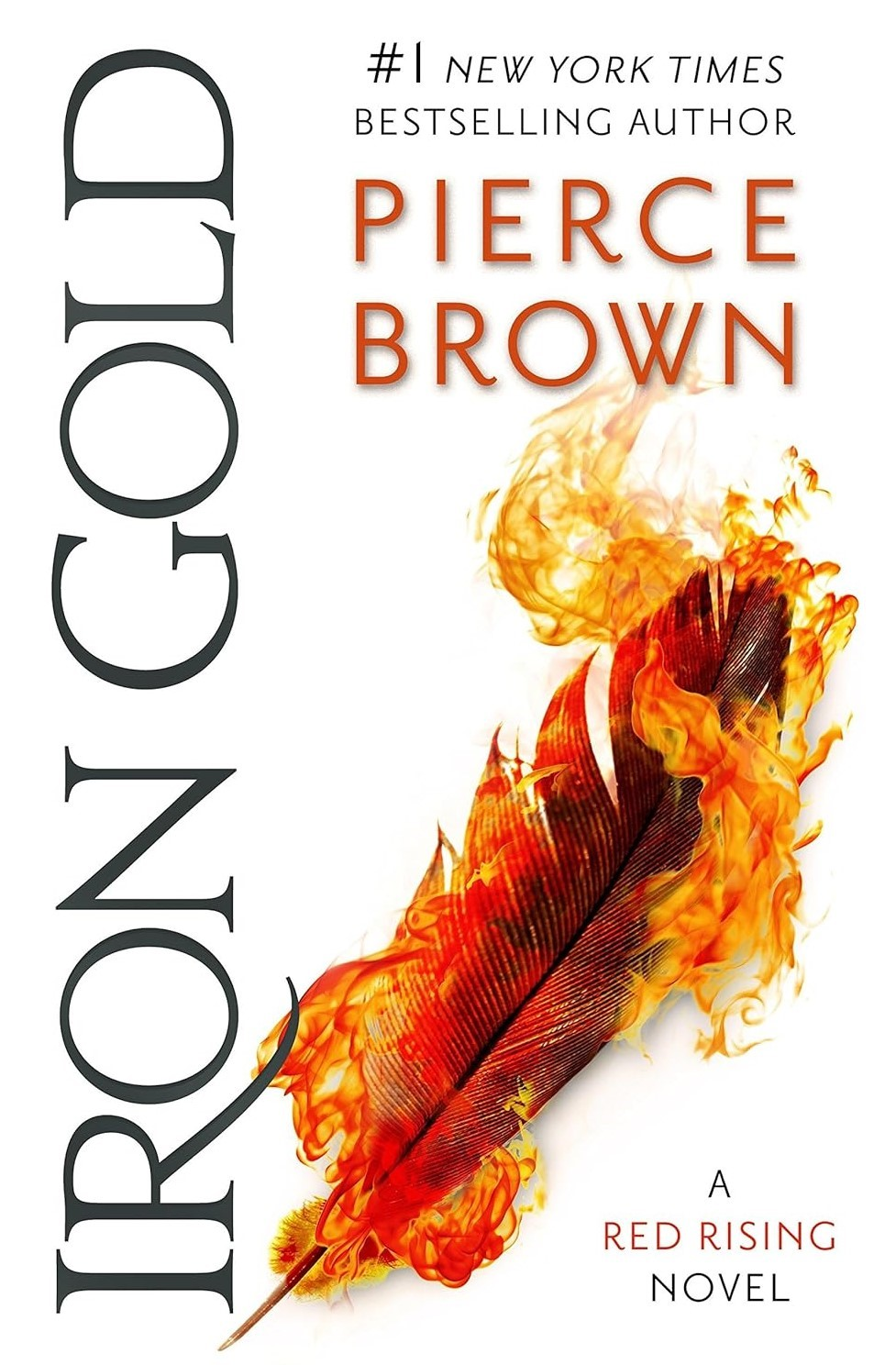
They call him father, liberator, Reaper—but Darrow feels like a boy falling toward a pale blue planet, his armor red and his heart heavy. Ten years after the Rising, his revolution has become endless war, and he risks everything on one last desperate mission. Across the worlds, a displaced Red girl, a grief‑scarred thief, and the exiled heir Lysander intersect with Darrow’s fate. Red Rising closed one universe—Iron Gold opens a new saga of tragedy and hard-won triumph.
My Review
Iron Gold was a weird experience for me at first, mostly because I took a full year off after finishing the original Red Rising trilogy, which I absolutely loved. That trilogy ended so cleanly and so satisfyingly that I wasn’t sure I even wanted more. Coming back to Darrow and finding him still chasing war instead of settling into the life he supposedly fought for honestly annoyed me. I kept thinking, why are we still doing this, didn’t he earn his rest? That frustration spilled over into how I felt about Virginia and Sevro too, characters I once adored but didn’t really want to follow anymore.
Ironically, the thing that originally made me put this book down is what eventually won me over. The multiple POV structure completely changed the experience. Having four perspectives instead of just Darrow opened up the world in a way his narration alone never could. Lyria and Ephraim, especially, pulled me back into the lower levels of society and showed how messy and unfair the aftermath of the Rising really was. Lysander’s chapters added an unsettling but compelling counterpoint, reminding me that revolutions don’t just erase the past, they leave scars everywhere.
What really worked for me in the end was how honest this book is about consequences. The Rising didn’t fix everything. It fractured systems, created new injustices, and left entire populations behind. Darrow himself feels darker, more burdened, and far less heroic, which makes sense given the world he helped create. Pierce Brown still delivers that ridiculously cool blend of sci-fi, space opera, dystopia, and fantasy that made the original trilogy so easy to recommend, but Iron Gold feels heavier and more reflective. It’s not the triumphant victory lap I expected or wanted, but it’s a thoughtful and realistic start to a new chapter, and by the end, I was glad I stuck with it.