
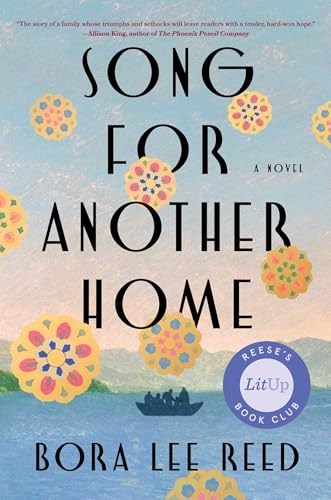
A family separated by war. In 1950s Korea, teenage Oksoon flees the bombing of Pyongyang with her mother and restless younger brother, trekking south through brutal winter toward an uncertain future. Far away near Jinju, her cousin Junho survives at a threadbare orphanage, writing carefully crafted letters to American benefactors in hopes of keeping its doors open. As both navigate displacement, duty, and moral compromise, the choices they make in chaos will shape the rest of their lives.
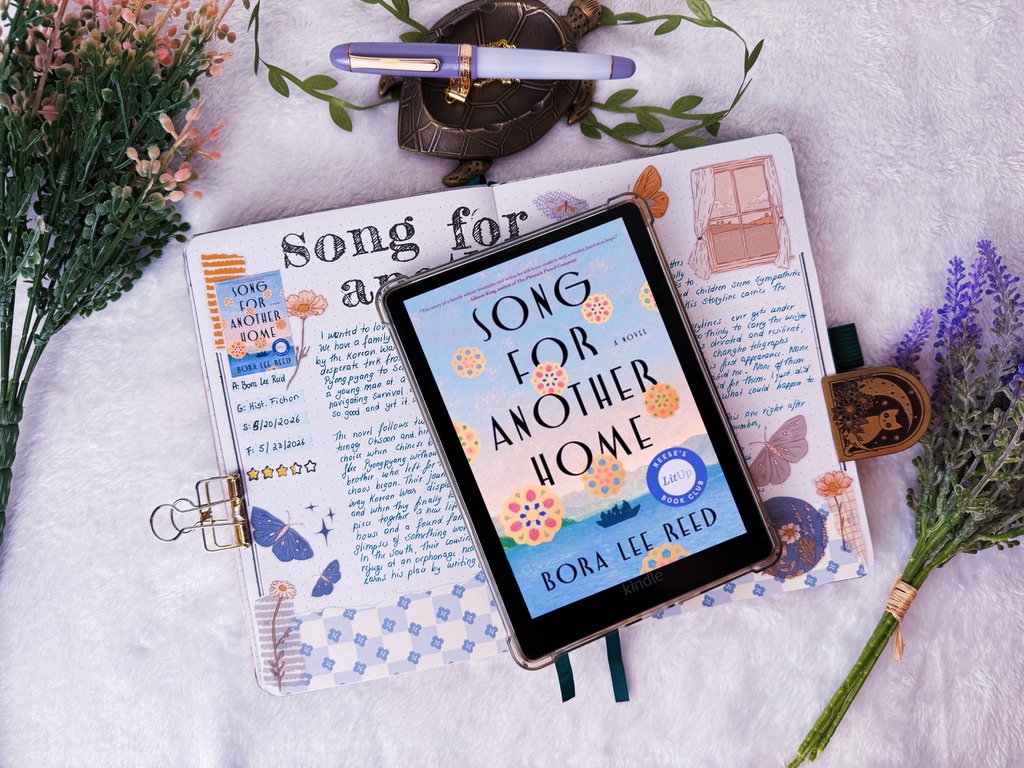
My Review
Thank you so much to Simon & Schuster | 37 Ink for the ARC!
I wanted to love this one. We have a family torn apart by the Korean War, a desperate trek from Pyongyang to Seoul in the dead of winter, a young man at a struggling orphanage navigating survival and morality. It sounded so good and yet it wasn’t my favorite.
The novel follows two storylines. In the north, teenage Oksoon and her family face an impossible choice when Chinese bombing forces them to flee Pyongyang without the father and older brother who left for the south before the chaos began. Their journey is brutal in the way Korean War displacement was brutal, and when they finally land in Seoul and piece together a new life around a soup house and a found family, there are glimpses of something worth reading. In the south, their cousin Junho has taken refuge at an orphanage near Jinju, where he earns his place by writing fundraising letters to American benefactors, letters that are essentially fictions he crafts to make traumatized children seem sympathetic enough to save. His storyline carries the most moral complexity in the book.
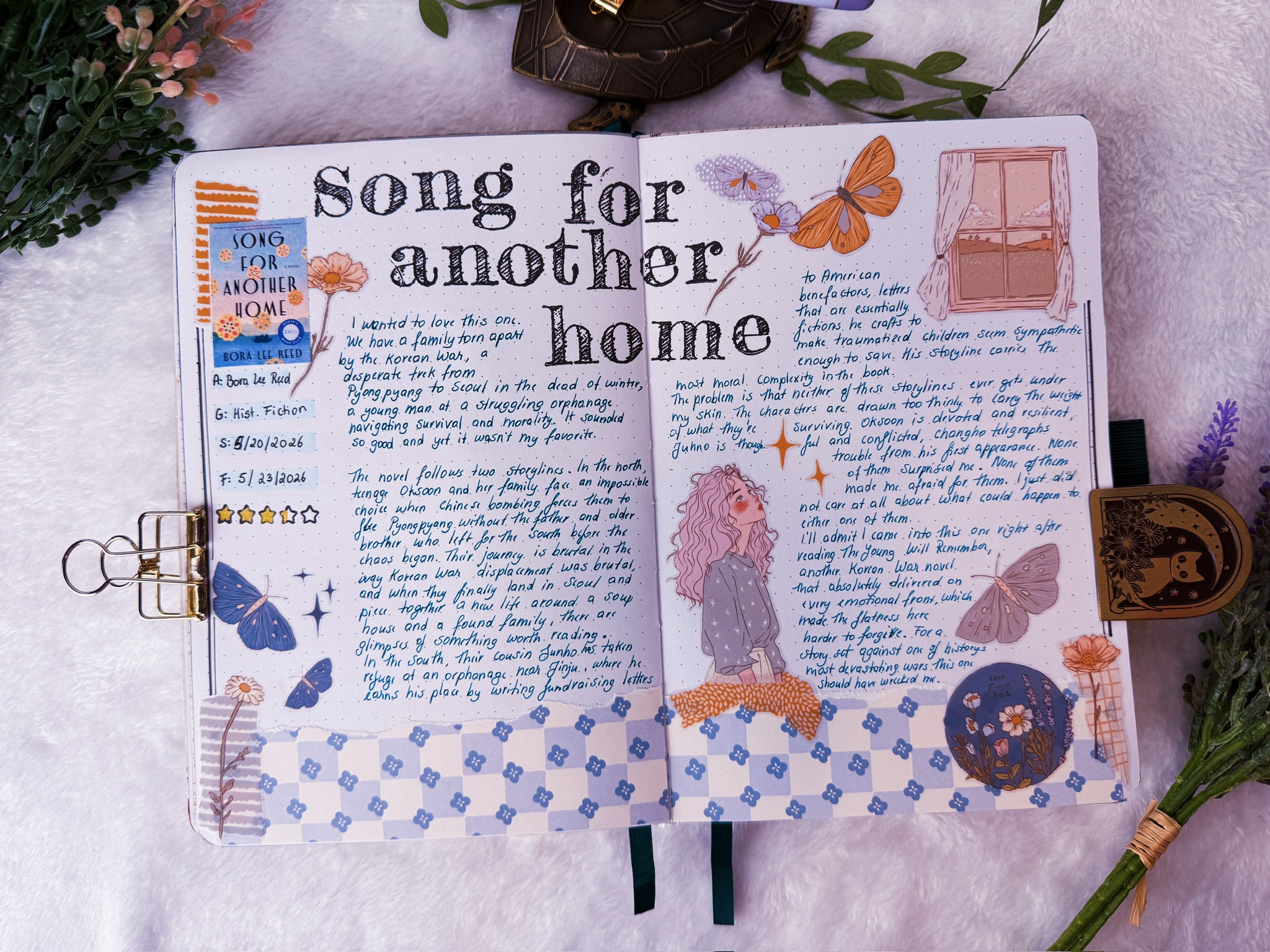
The problem is that neither of these storylines ever gets under my skin. The characters are drawn too thinly to carry the weight of what they’re surviving. Oksoon is devoted and resilient, Junho is thoughtful and conflicted, Changho telegraphs trouble from his first appearance. None of them surprised me. None of them made me afraid for them. I just did not care at all about what could happen to either one of them.
I’ll admit I came to this one right after reading The Young Will Remember, another Korean War novel that absolutely delivered on every emotional front, which made the flatness here harder to forgive. For a story set against one of history’s most devastating and underrepresented wars, this one should have wrecked me. It didn’t.