
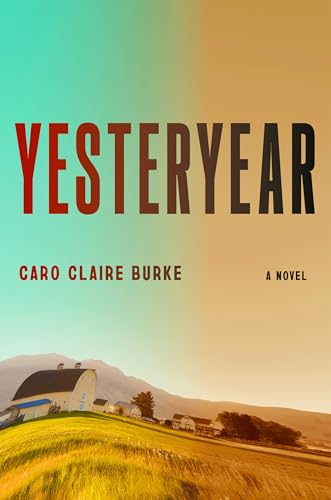
Tradwife influencer Natalie Heller Mills wakes one morning to find every modern convenience stripped away—no electricity, no producers, no safety net. Just 1855, dirt floors, and pioneer life. What starts as an unsettling fish-out-of-water story evolves into something far more disturbing, exploring influencer culture, gender dynamics, and how women perpetuate misogyny against one another.
My Review
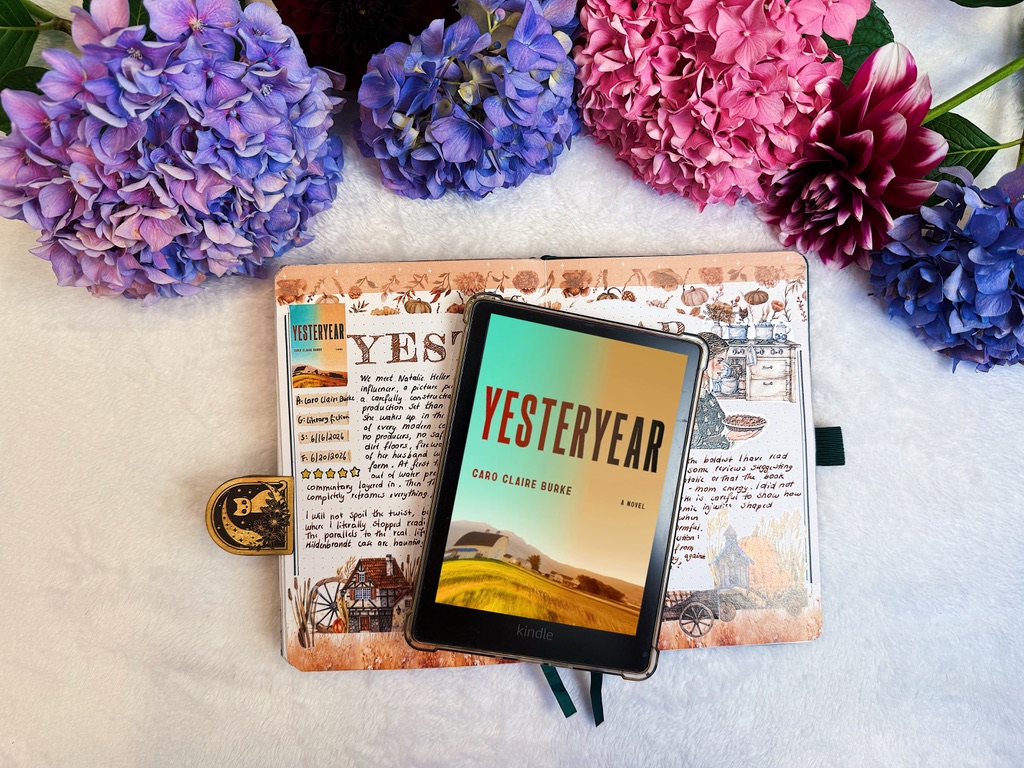
4.5 stars I went into Yesteryear expecting a time travel fantasy with a feminist twist. What I got was something far more unsettling.
We meet Natalie Heller Mills, a tradwife influencer, a picture-perfect farmhouse, and a carefully constructed life that is more production set than reality. One morning she wakes up in the same house, but stripped of every modern convenience: no electricity, no producers, no safety net. Just 1855, dirt floors, firewood, and a rougher version of her husband who actually knows how to farm. At first the novel reads like a fish-out-of-water premise with sharp social commentary layered in. Then the second half arrives and completely reframes everything you thought you understood.
Another long drive back home, through the mountains and past the farms and down the long dirt road to the nightmare—I mean dream—of my own making, the world I molded with my own bare hands. Playdough husband, playdough children, playdough life.
I will not spoil the twist, but there was a moment where I literally stopped reading and stared at the page. The parallels to the real-life Ruby Franke and Jodi Hildebrandt case are haunting, and I strongly recommend reading about that case after finishing this book.
And please give my husband a spine. I’m tired of him needing to borrow mine.
The satire is sharp without being smug, and the social commentary on influencer culture, cancel culture, manosphere ideology, and the gap between online persona and lived reality is some of the boldest I have read in recent fiction.
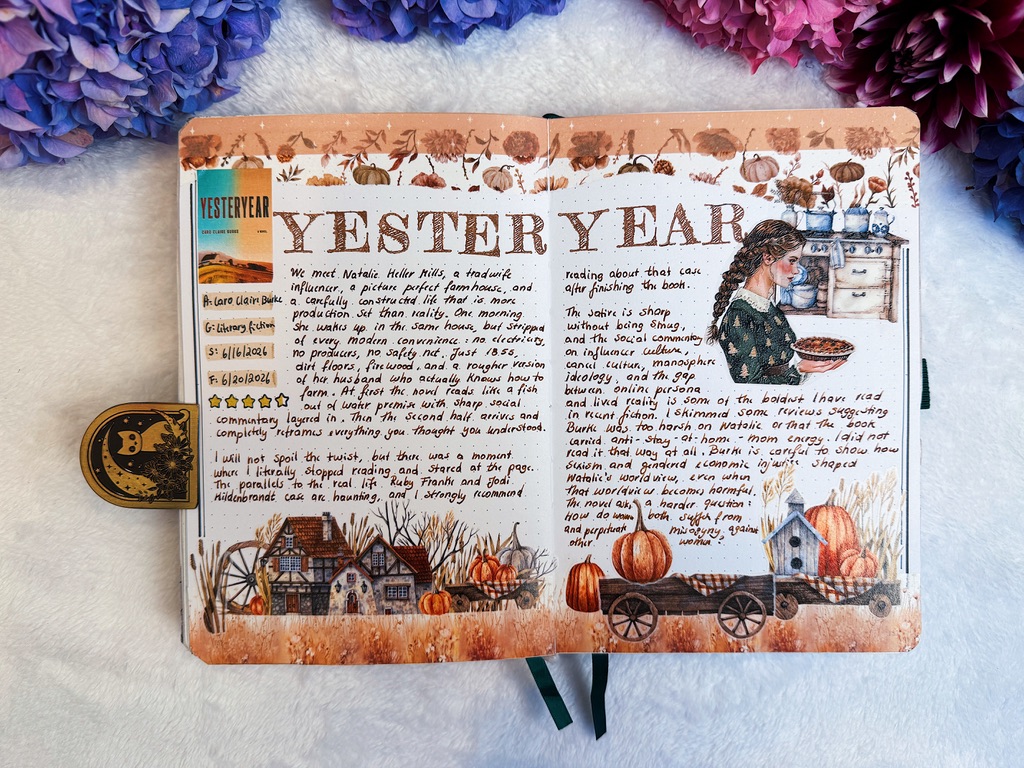
I skimmed some reviews suggesting Burke was too harsh on Natalie or that the book carried anti-stay-at-home-mom energy. I did not read it that way at all. Burke is careful to show how sexism and gendered economic injustice shaped Natalie’s worldview, even when that worldview becomes genuinely harmful. The novel asks a harder question: how do women both suffer from and perpetuate misogyny against other women? The female characters surrounding Natalie, particularly those in her family who chose different paths, add real dimension to that question.