
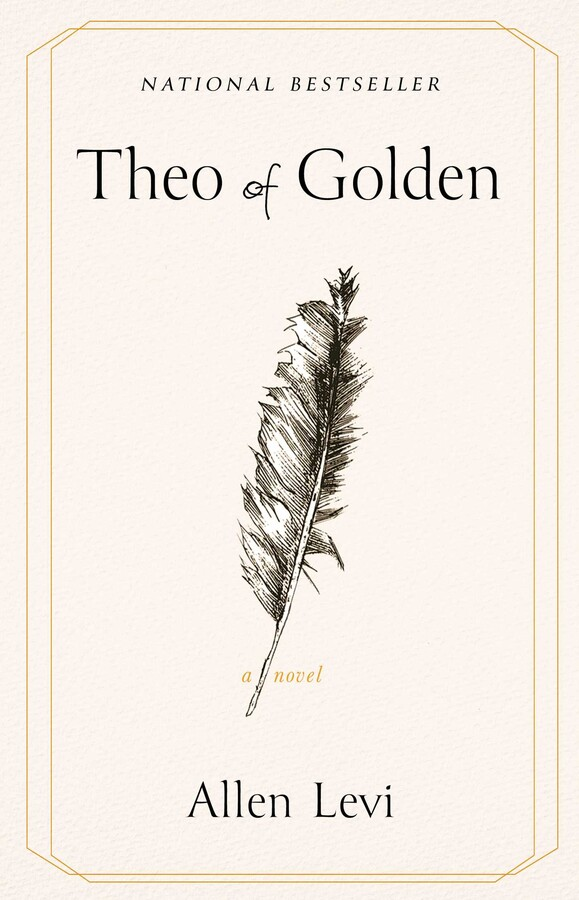
An eighty-six-year-old stranger arrives in a small Georgia town and begins buying back pencil portraits of its residents from a coffeehouse wall, returning each one to its rightful owner. With every exchange, a story unfolds and a life quietly changes. A tender novel about kindness, connection, and the mystery of one man's past.
My Review
Thank you so much to LibroFM and Simon Maverick for the ALC.
I had this book on my TBR for quite some time and I don’t know what took me this long to listen to it. The audiobook was phenomenal. The narrator David Morse did an excellent job bringing the voice of Theo to life.
Mr. Wordsworth, perhaps in a literature class at some point in your studies. He once wrote that the best portion of a good person’s life is ‘the little, nameless, unremembered acts of kindness and love.
An eighty-six-year-old man shows up in a tiny Georgia town claiming he’s there “on business,” and never once explains what that business is. Theo wanders into the local coffeehouse on his first morning and finds ninety-two pencil portraits of Golden’s residents hanging on the walls, all done by a local artist. He starts buying them one by one and returning each to the person it depicts. What unfolds from there is less plot than a slow accumulation of grace: every portrait becomes a doorway into someone’s private grief or joy, and every exchange leaves both Theo and the town a little more changed.
Sadness can make us bitter or wise. We get to choose.
Levi’s prose has this unhurried, meandering warmth to it, like sitting on a porch with someone who has nowhere else to be. He’s not afraid to walk characters into real pain, but he never leaves them there. I teared up more than once and full-on cried through the last few chapters.
The older I get, the more convinced I am that every hurt the world has ever known is somehow the fault of every person who ever lived. Maybe not directly and never entirely, but somehow, I fear, we own all of the world’s hurts together.
Worth flagging that there’s a Christian thread running through the book. It never tips into preachy territory for me, but it’s there, and the best of what Theo embodies (kindness, attention, generosity) reads like religion distilled to its finest instincts, so it’s worth knowing going in. Theo himself is from Porto, and having been to the Douro Valley last year, those passages hit somewhere specific and a little homesick for me.
This is a book for anyone who needs a reminder to slow down and actually look at the people around them. Quiet, tender, unforgettable. It’s staying with me.